Milano Partecipa
A civic participation platform redesign for the Municipality of Milan, focused on accessibility, usability, and inclusive engagement.
About Milano Partecipa
Milano Partecipa redesigns the Municipality of Milan's digital platform for citizen engagement. Through research and information architecture refinement, the project improves access to referendums, petitions, and participation tools for broader civic inclusion.
Role
Product & Service Designer
Team
Design team,
Research collaborators
Tool
Figma,
Heuristic evaluation,
IA mapping
Company
Municipality platform
Year
2023 · 16 weeks
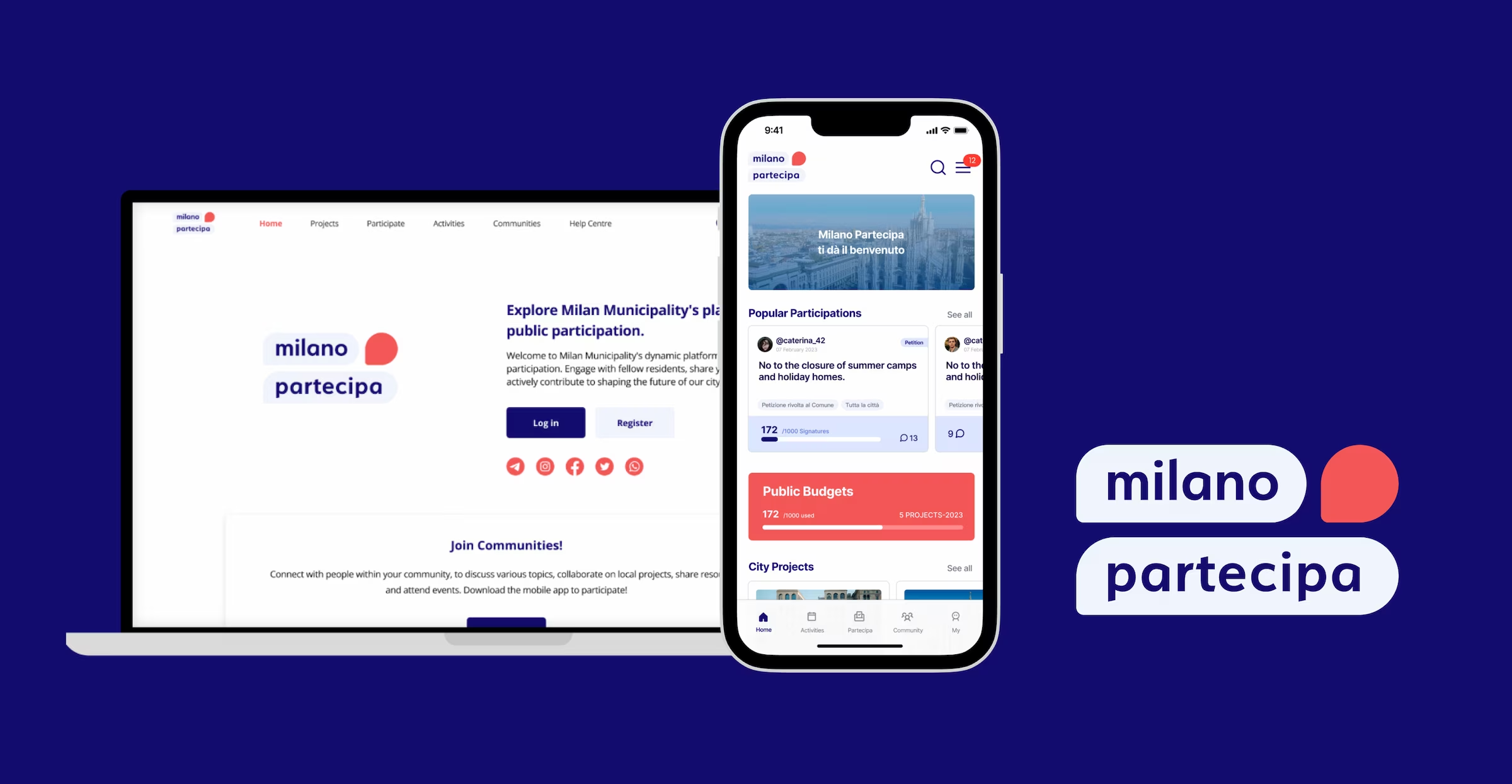
What is Milano Partecipa?
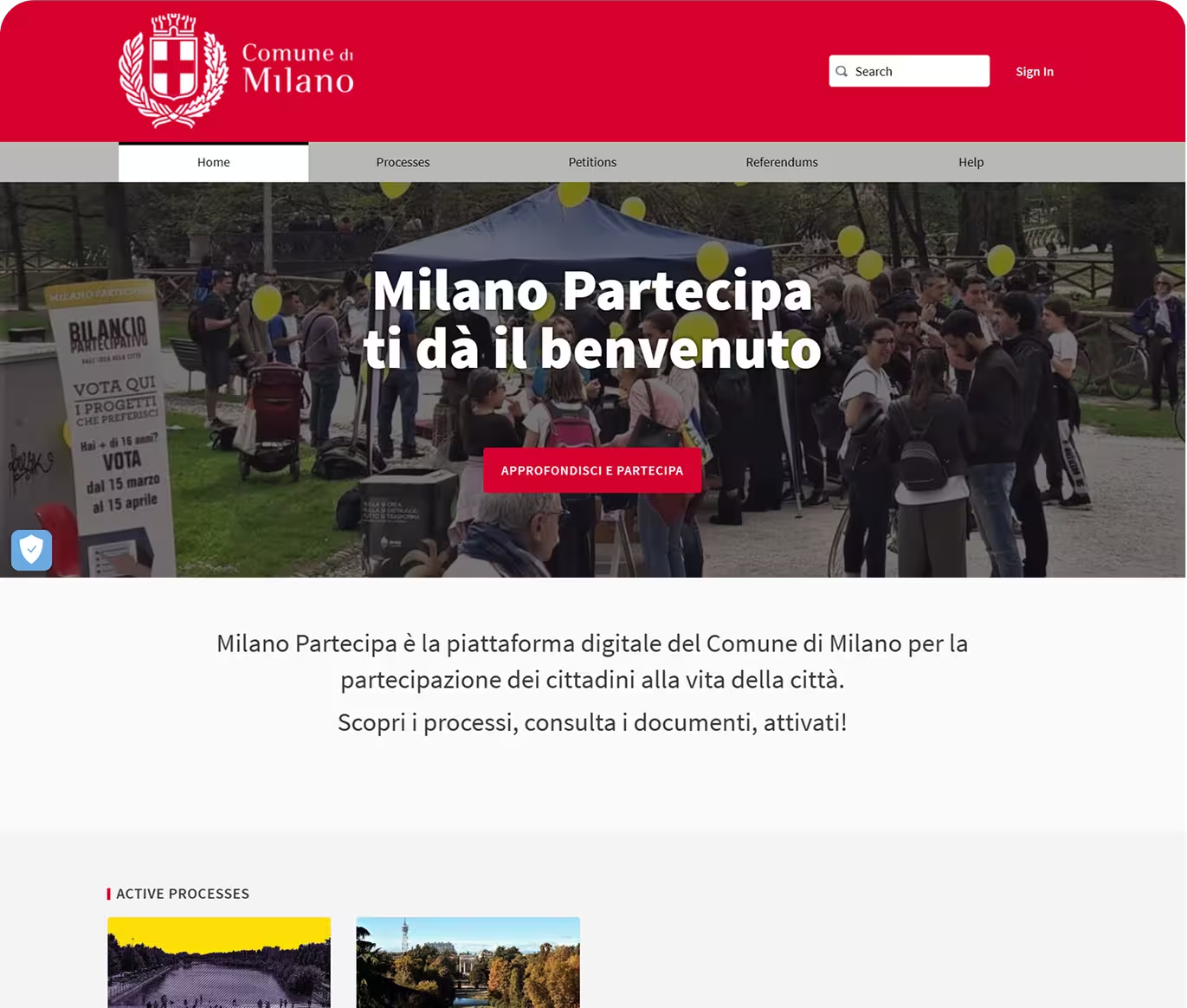
Milano Partecipa redesigns Milan’s digital platform for citizen engagement. The project improves accessibility, usability, and participation—supporting referendums and petitions with a focus on inclusivity.

Adoption
Support adoption and uptake of the platform by citizens and stakeholders.

Information
Clear, accessible information architecture for civic processes and content.

Target
Target diverse audiences and underrepresented groups for inclusive participation.
The Process
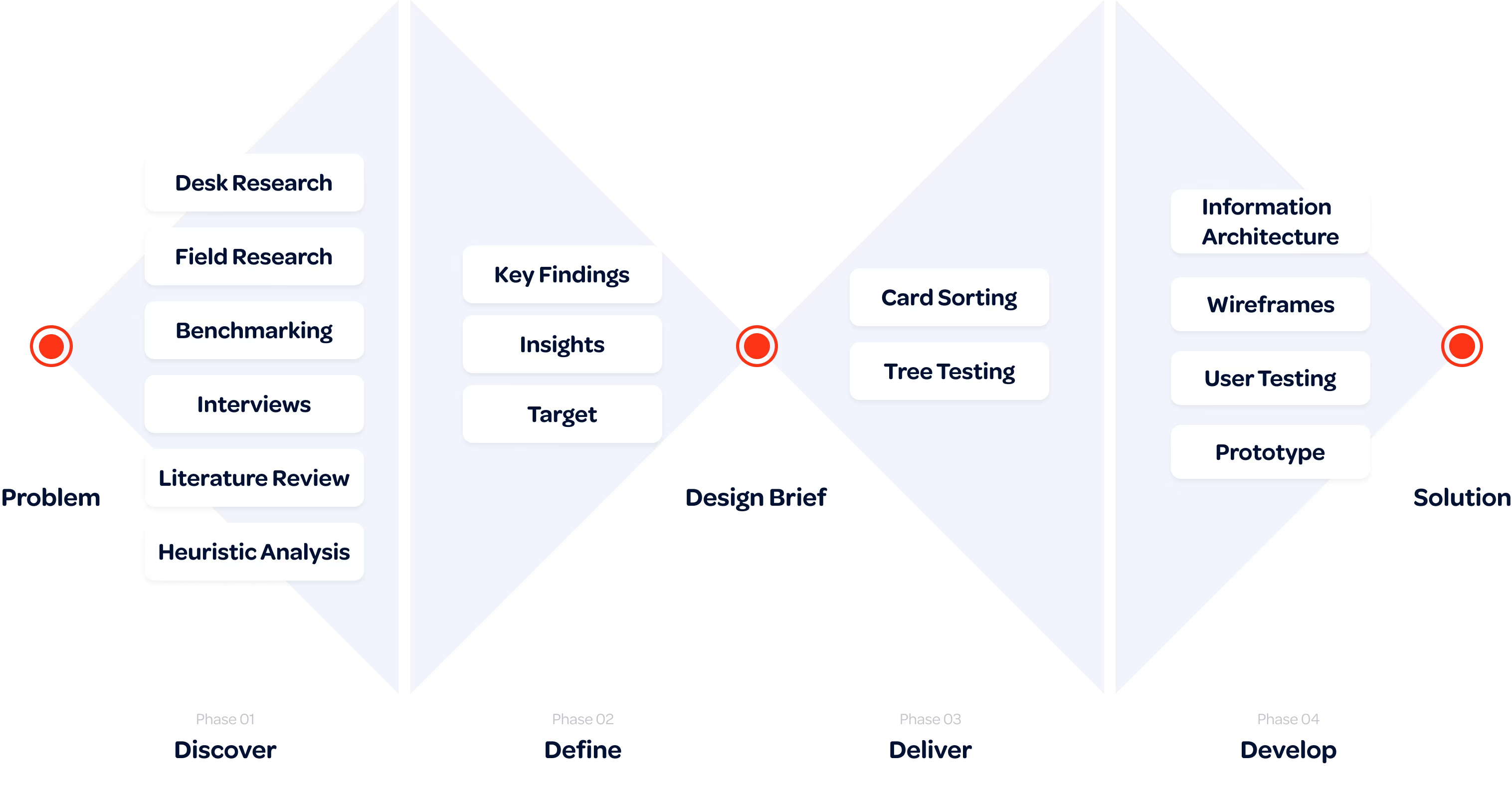
Research
Desk Research
Insights
- The high proportion of immigrants in Milan indicates their significant role in the city and their impact on the economy, culture, and social life.
- As permanent residents, immigrants have similar needs and expectations to Milanese citizens, such as employment opportunities, education, healthcare, and social integration.
- Immigrant populations usually have diverse backgrounds and needs, covering common issues faced by many groups.

Initial Idea
Based on this finding, if we design our service solutions with this immigrant group as the starting point, we have the potential to develop more inclusive and widely applicable solutions that can meet the needs of different groups.
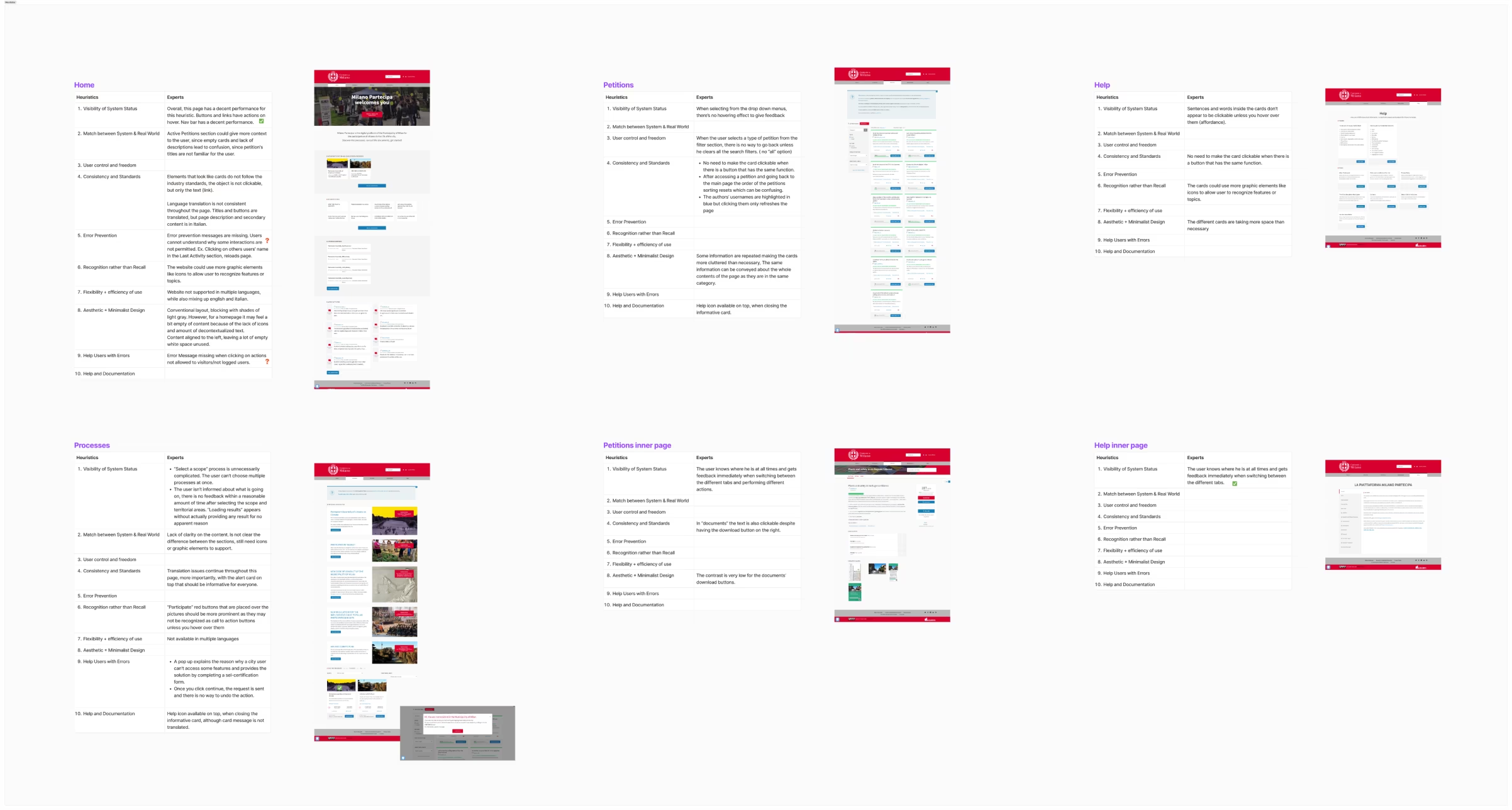
Heuristics Analysis
Insights and next steps
After conducting the heuristics analysis, we got some valuable insights that we later took into consideration as we designed the interfaces.
Actions to Keep in Mind
- Keep navigation simple and transparent at all times by communicating effectively, which are the clickable elements in the UI, and keeping consistency through the design system definition.
- Enhance overall site hierarchy and information architecture by performing suitable tests with users to develop a logical structure.
- As a priority, give feedback at all times to the user based on his actions.
- Add shortcuts to enhance navigation from the first screen the user access.
- Ensure the user can change basic settings such as language and profile details.
Benchmarking
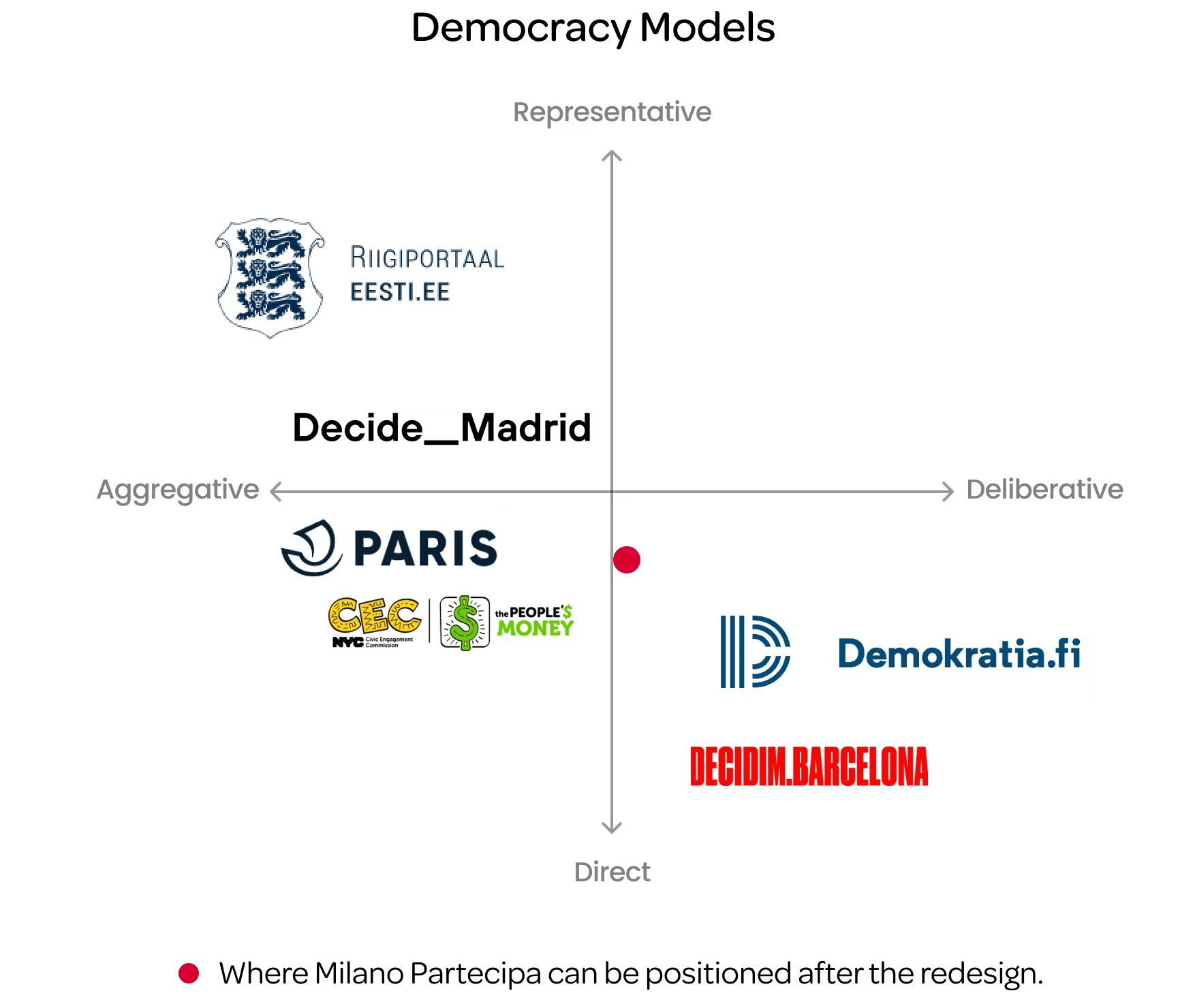
How do we want to position Milano Partecipa in the current participatory systems landscape?
Hybrid Citizen Engagement
Create a platform that combines elements of aggregative and deliberative democracy, allowing users to both propose new initiatives and actively participate in existing services provided by the Municipality.
Community Empowerment
We aimed to enhance community building and foster social engagement within the city, specifically focusing on empowering and supporting immigrant communities through the platform.
Access and Communication
Promote citizen interaction and facilitate communication on shared topics while prioritising the inclusion of multiple language translations to meet the standards set by competitors in the market.
Interview
Low awareness
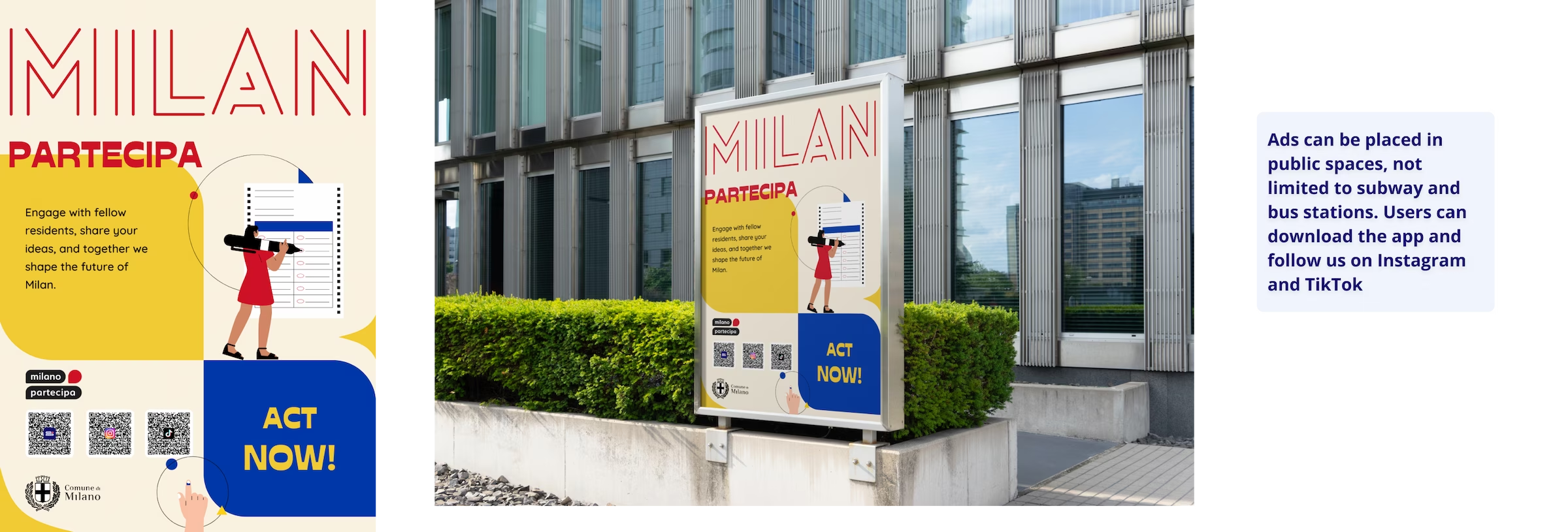
Partecipa has low awareness; boost visibility via daily touchpoints and social media.
Interest-driven engagement
Users engage when policies or projects affect their personal interests.
Complexity barrier
Too complex for non-professionals, hindering meaningful suggestions and causing low engagement and high failure rates.
Build Trust and Efficacy
Participants doubt if their input is valued. Building trust and efficacy is crucial so contributions are seen to lead to change.
Concept
Boost Platform Reach
Place QR codes in parks, libraries, and transport stations for quick access; integrate with social media to maximize engagement.
Interest-based Engagement Tools
Personalized dashboards to follow updates on policies that affect users' interests (e.g. local renovations, transport). Geo-targeted notifications for nearby events.
Enhance Quality of Participation
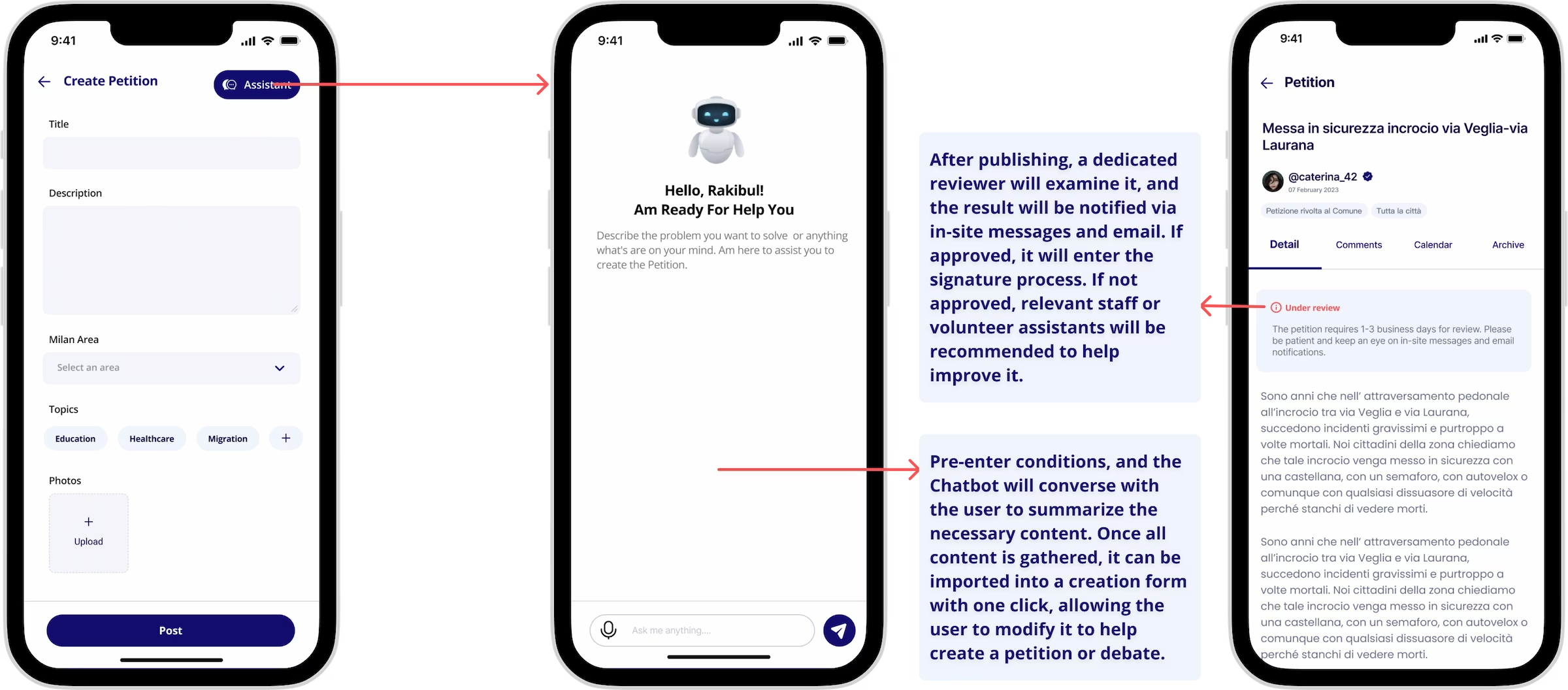
Deeper participation for Citizens and City Users: propose, give opinions, and discuss hot topics through multiple levels of participatory processes.
Building Trust
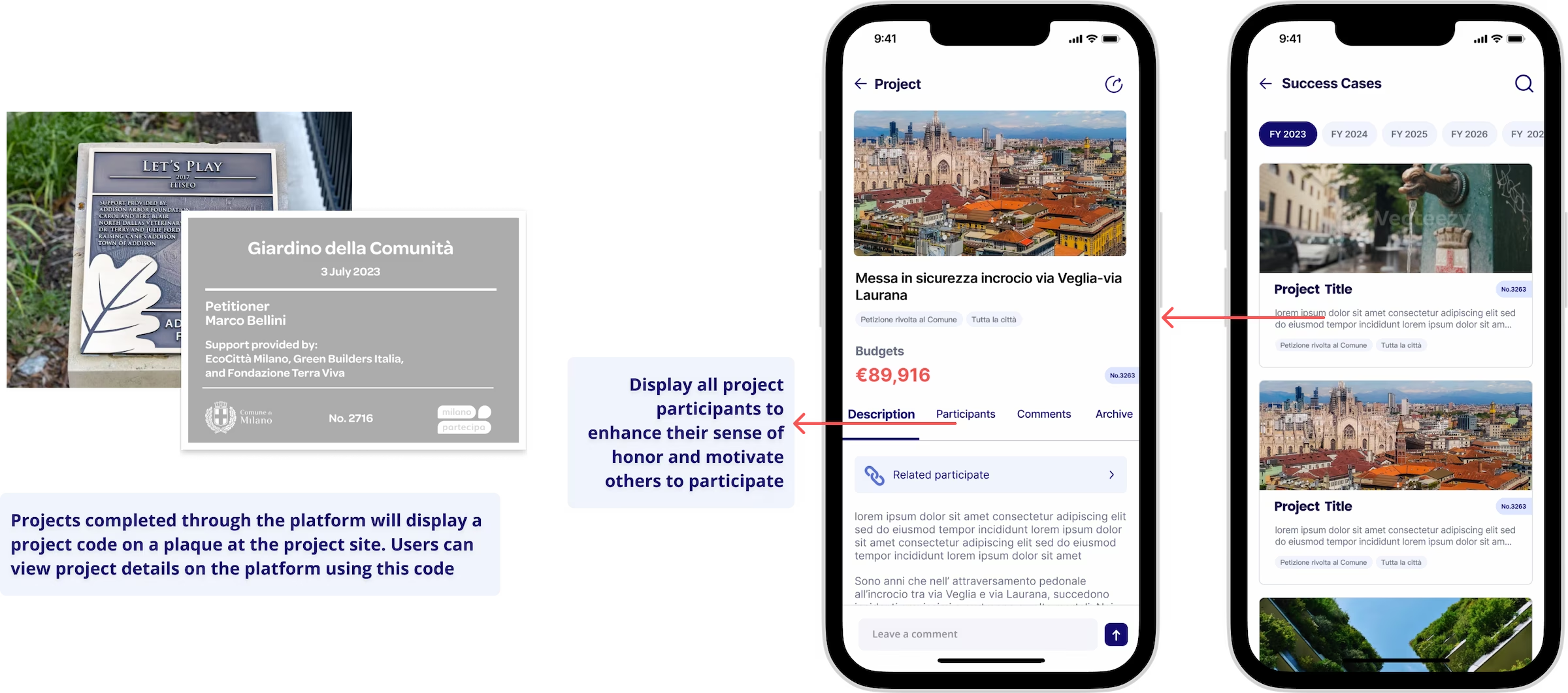
Transparent project budgets and success cases so citizens trust the platform and see their input leading to change.
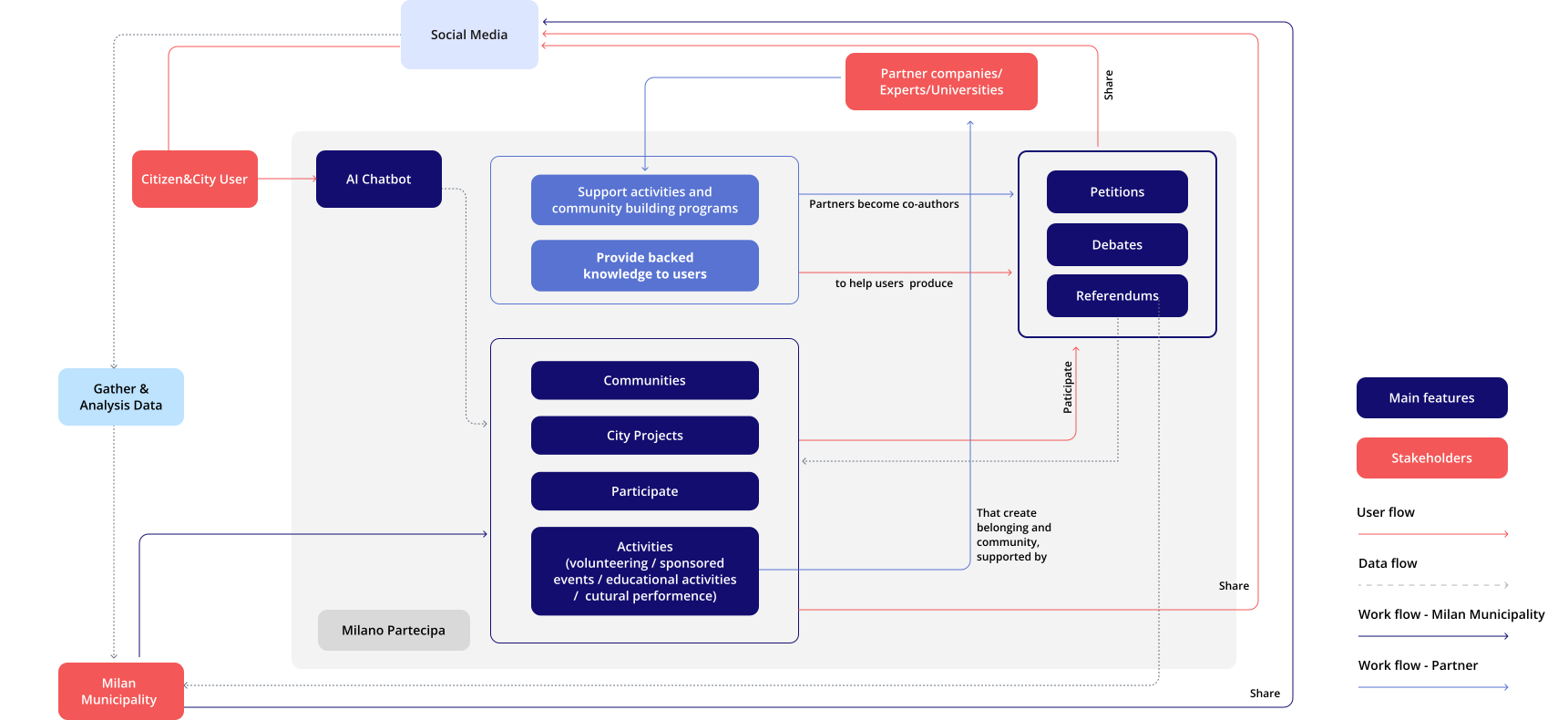
Service Map
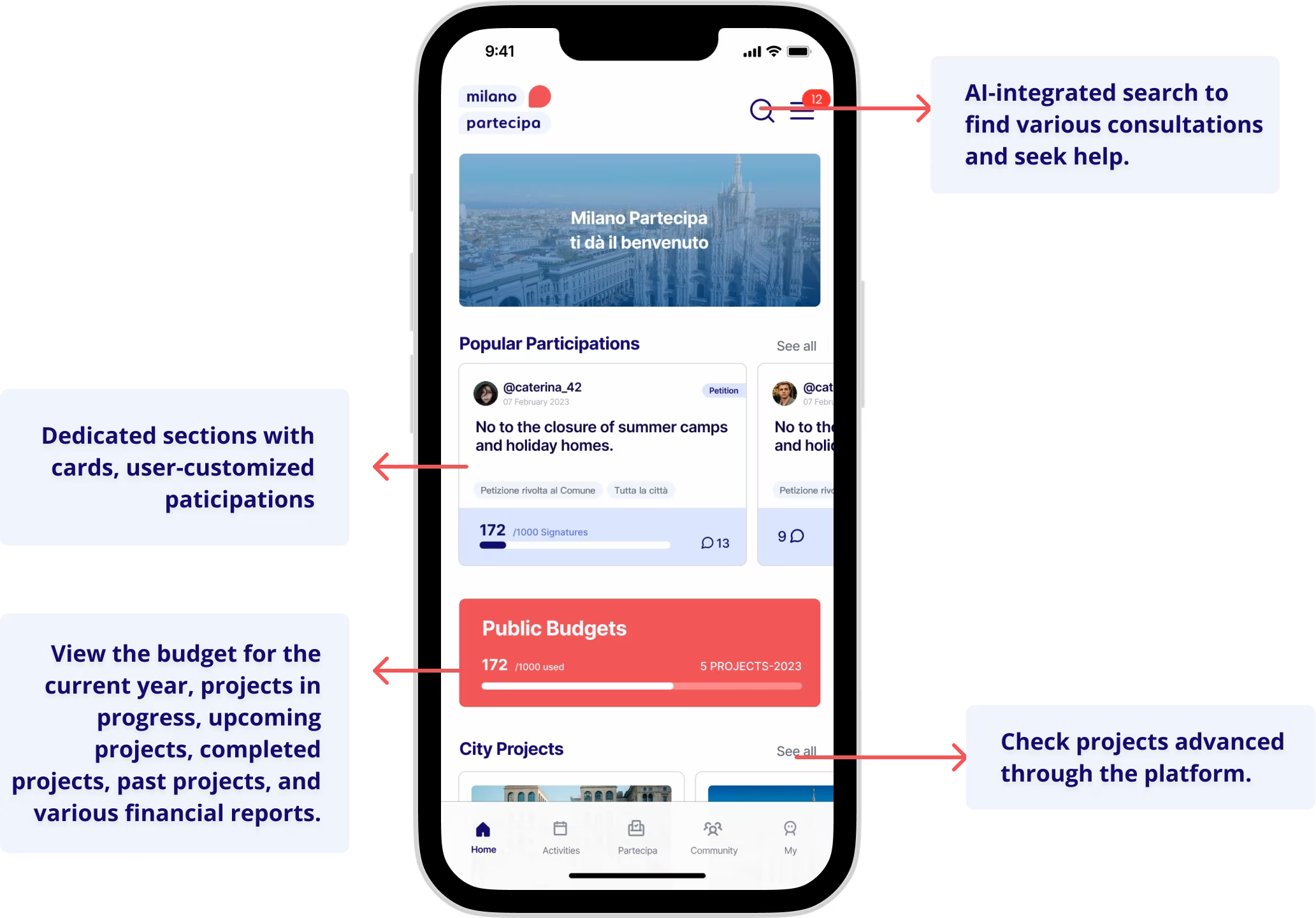
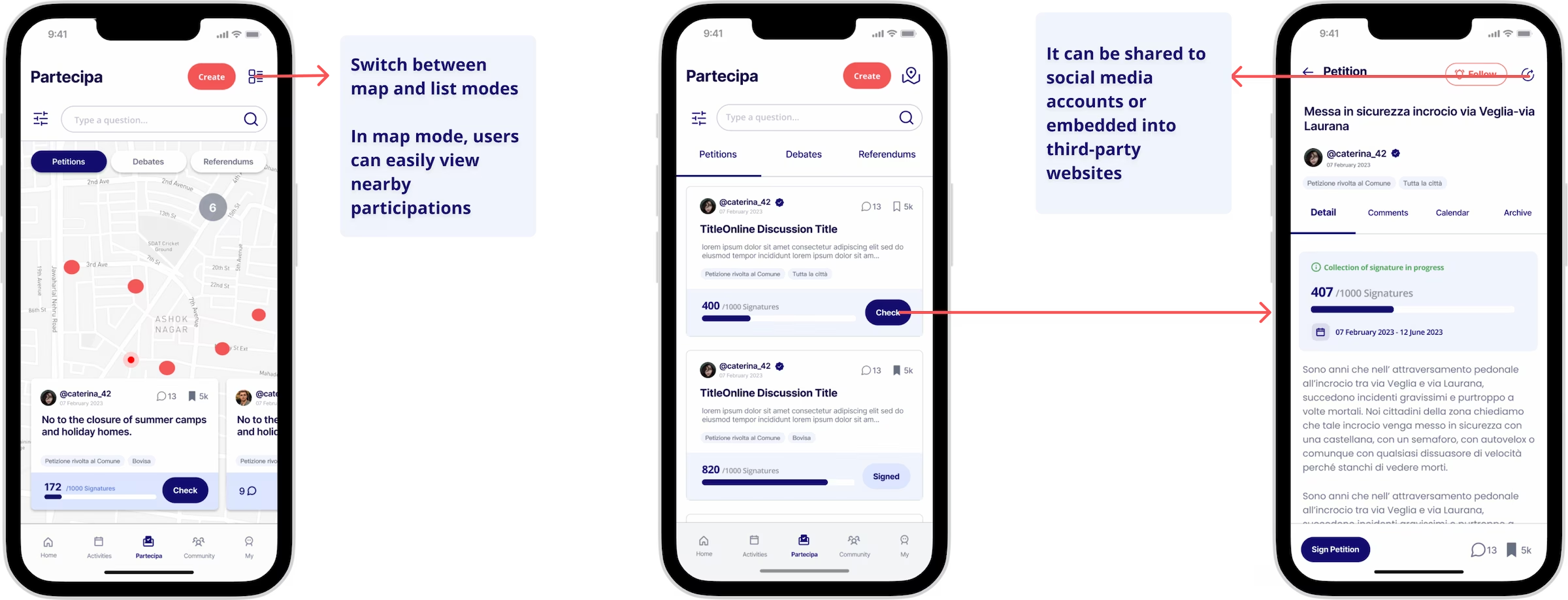
Main Features
Design process
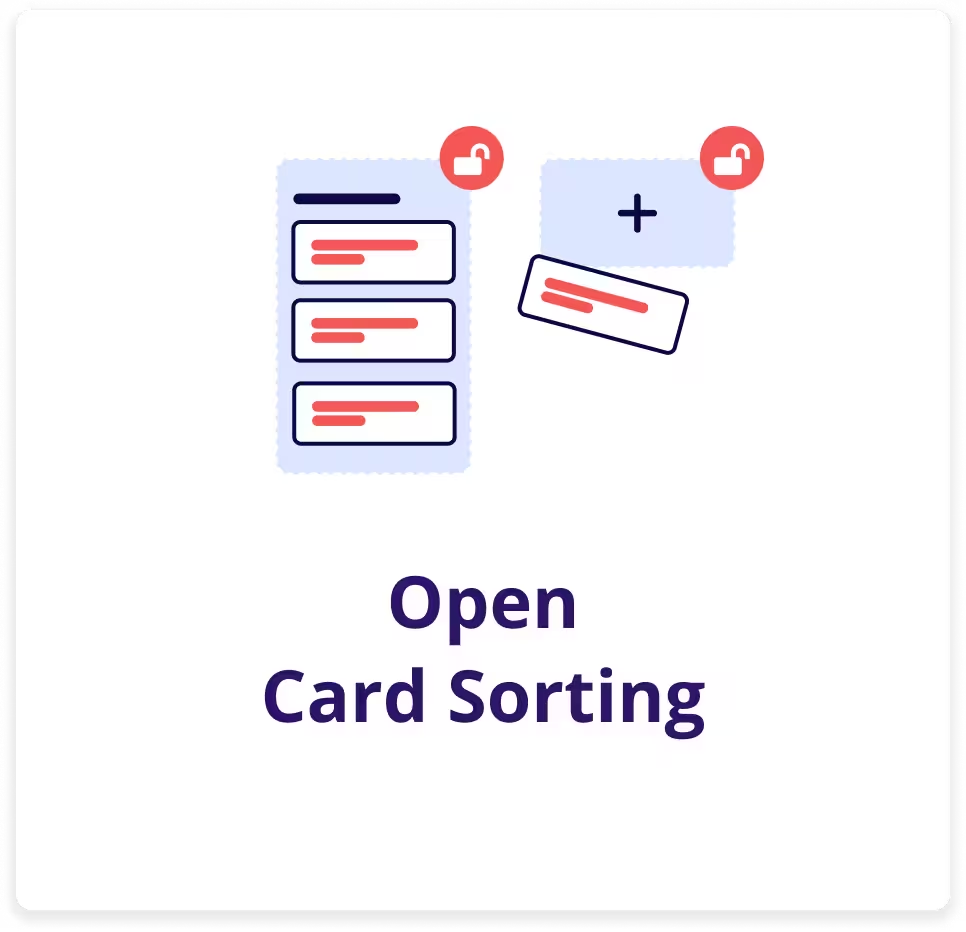
Information Architecture

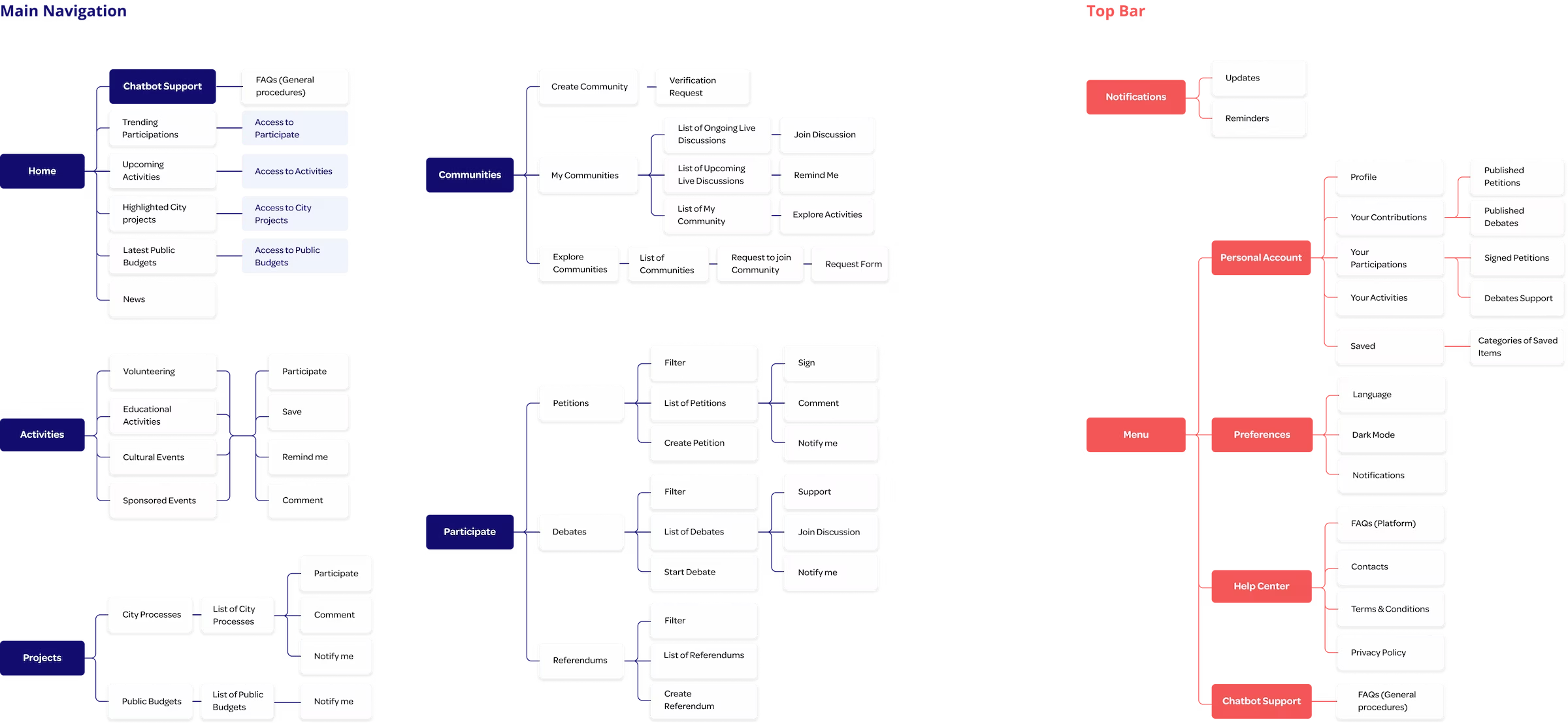
Information Architecture: APP
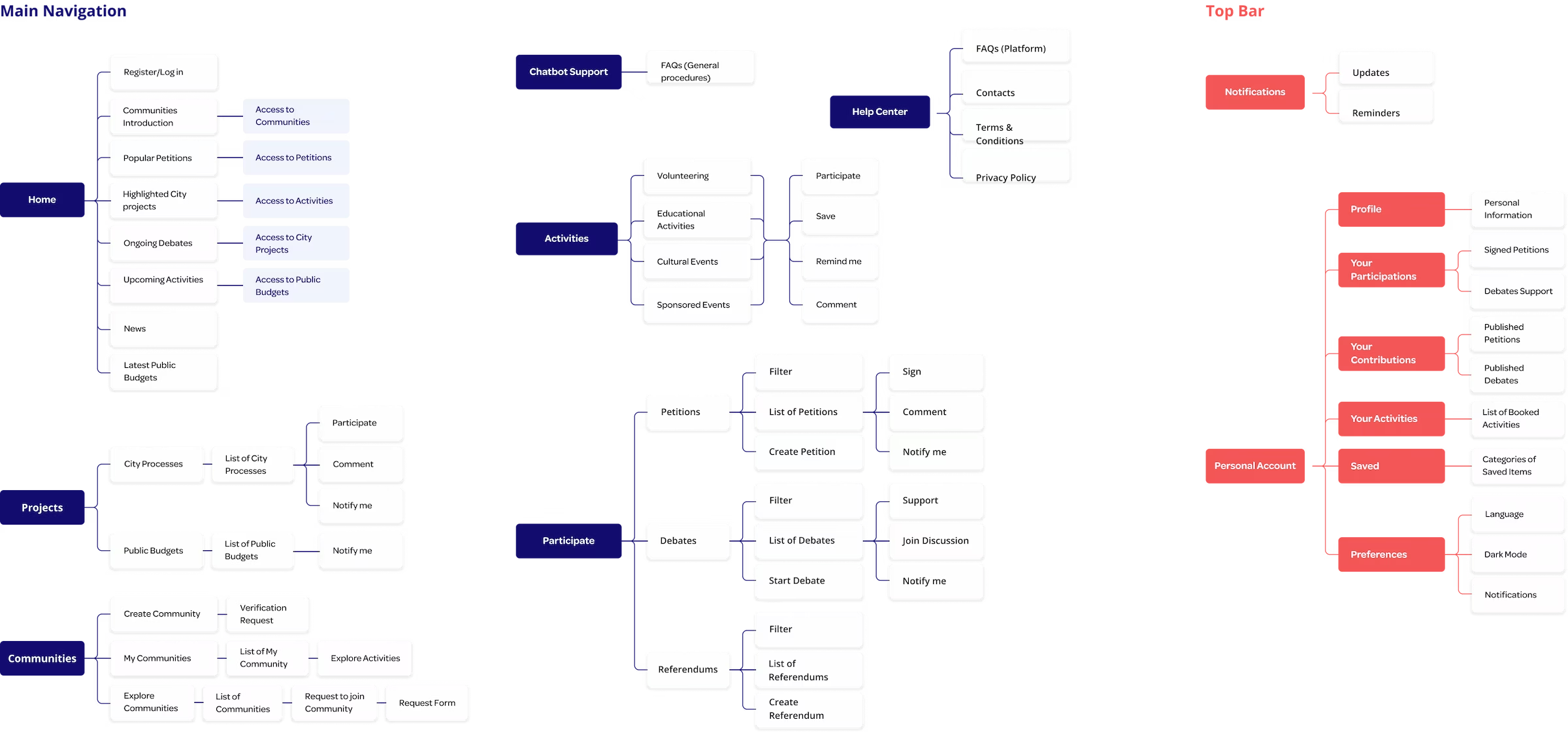
Information Architecture: Website
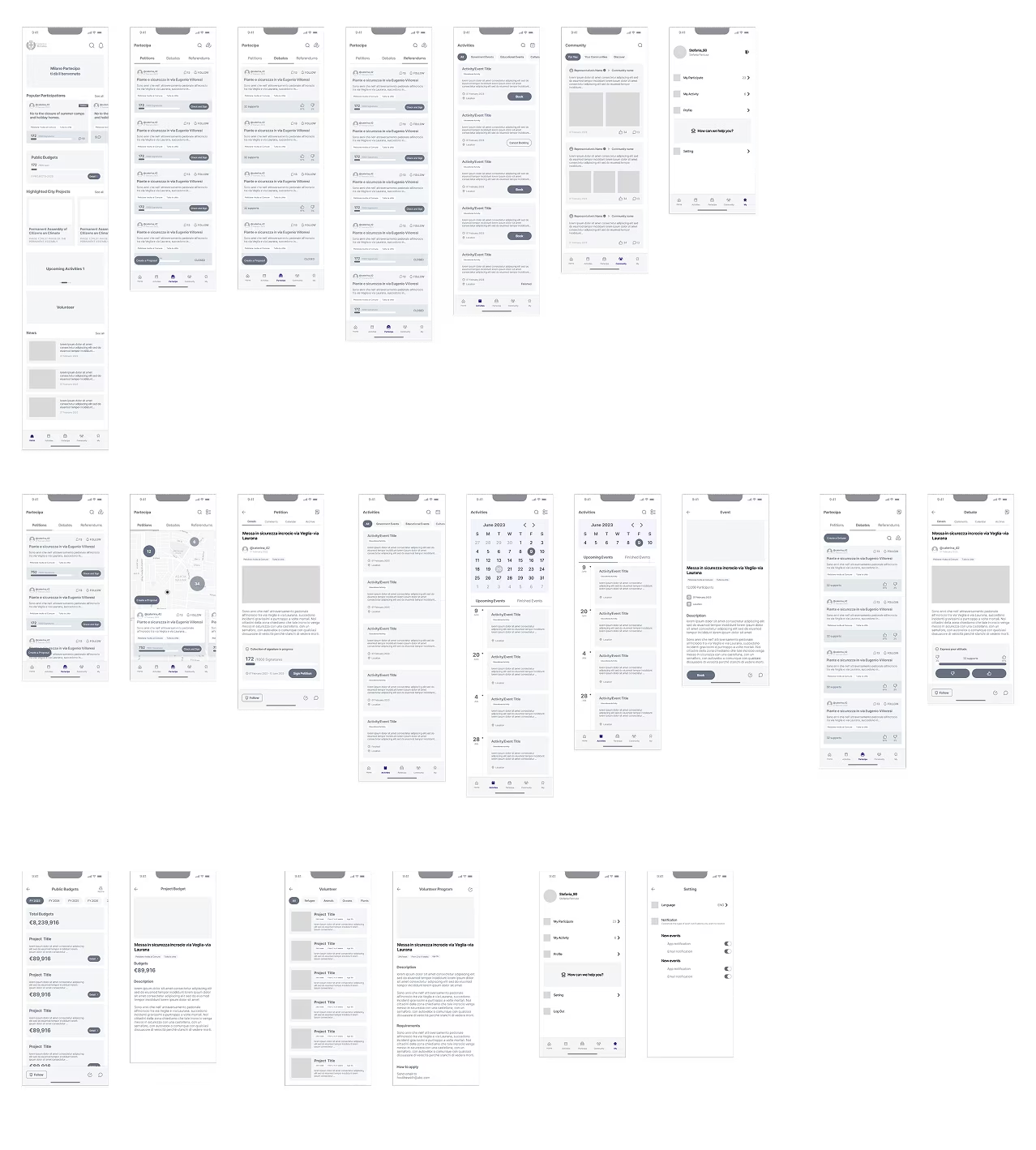
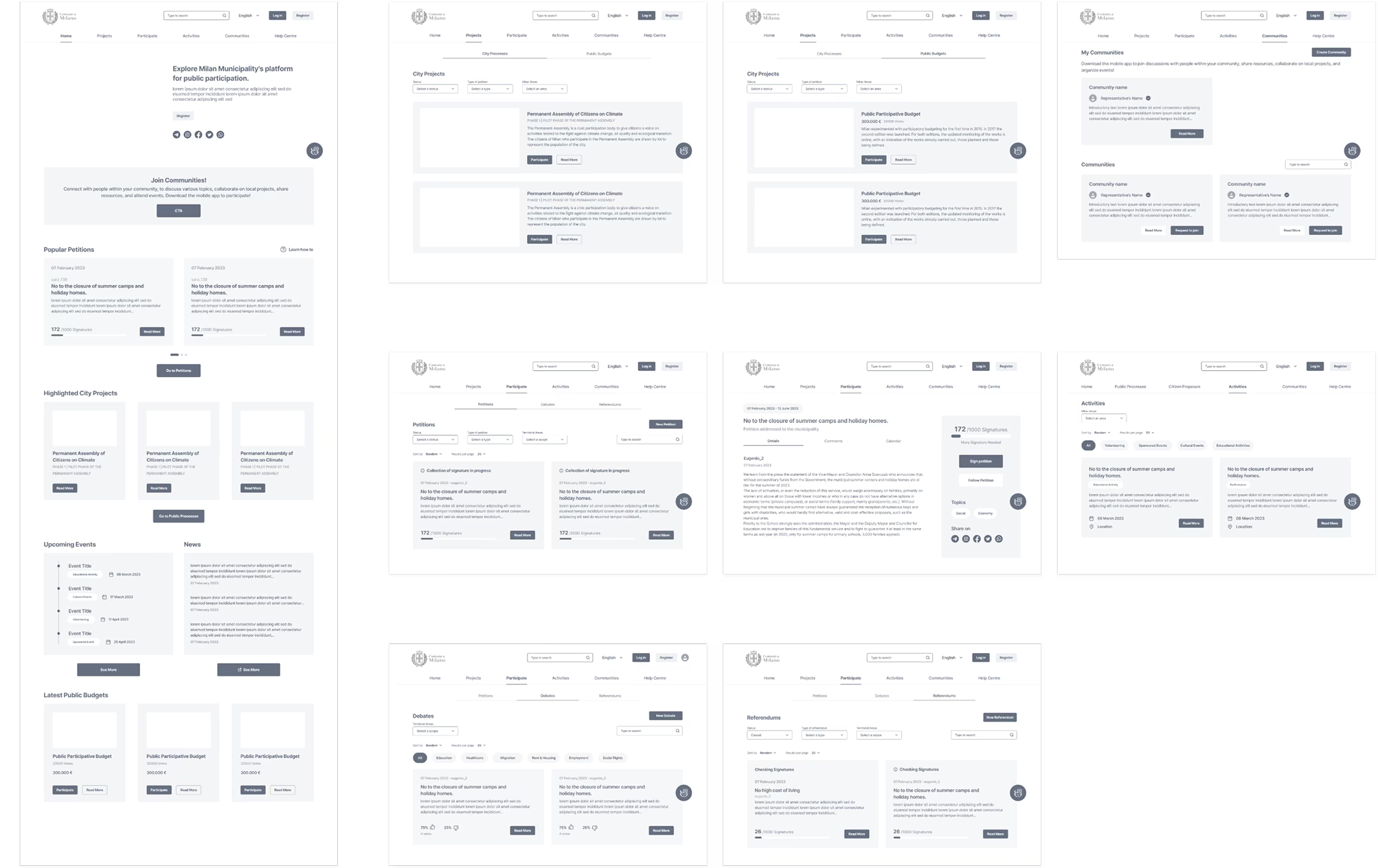
Wireframes
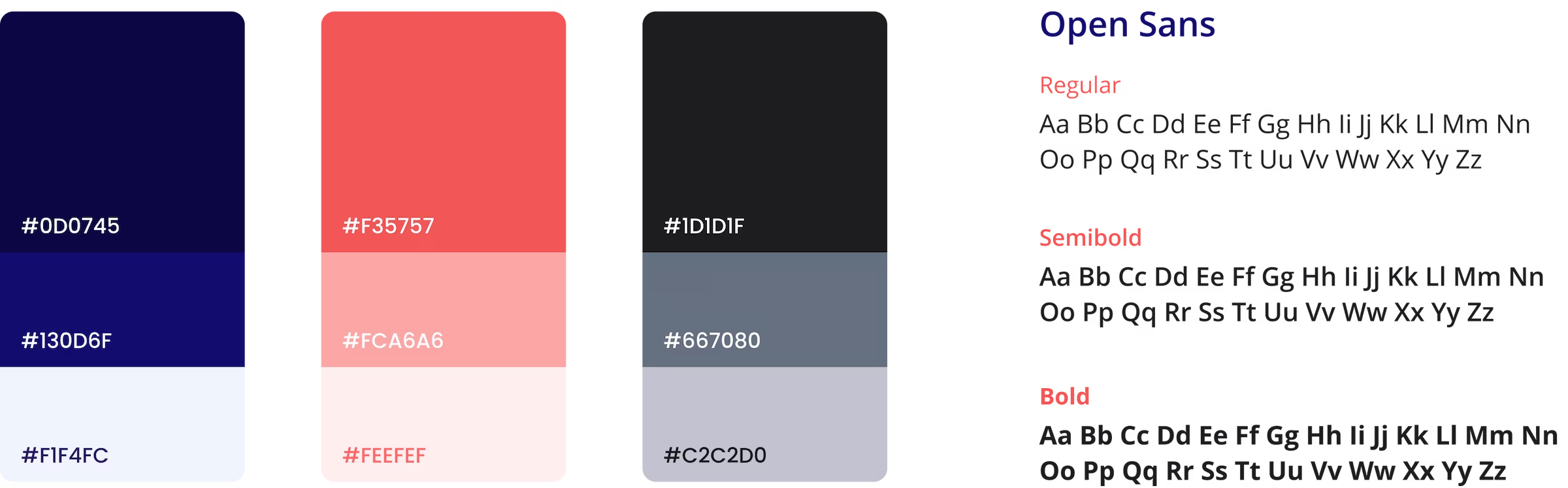
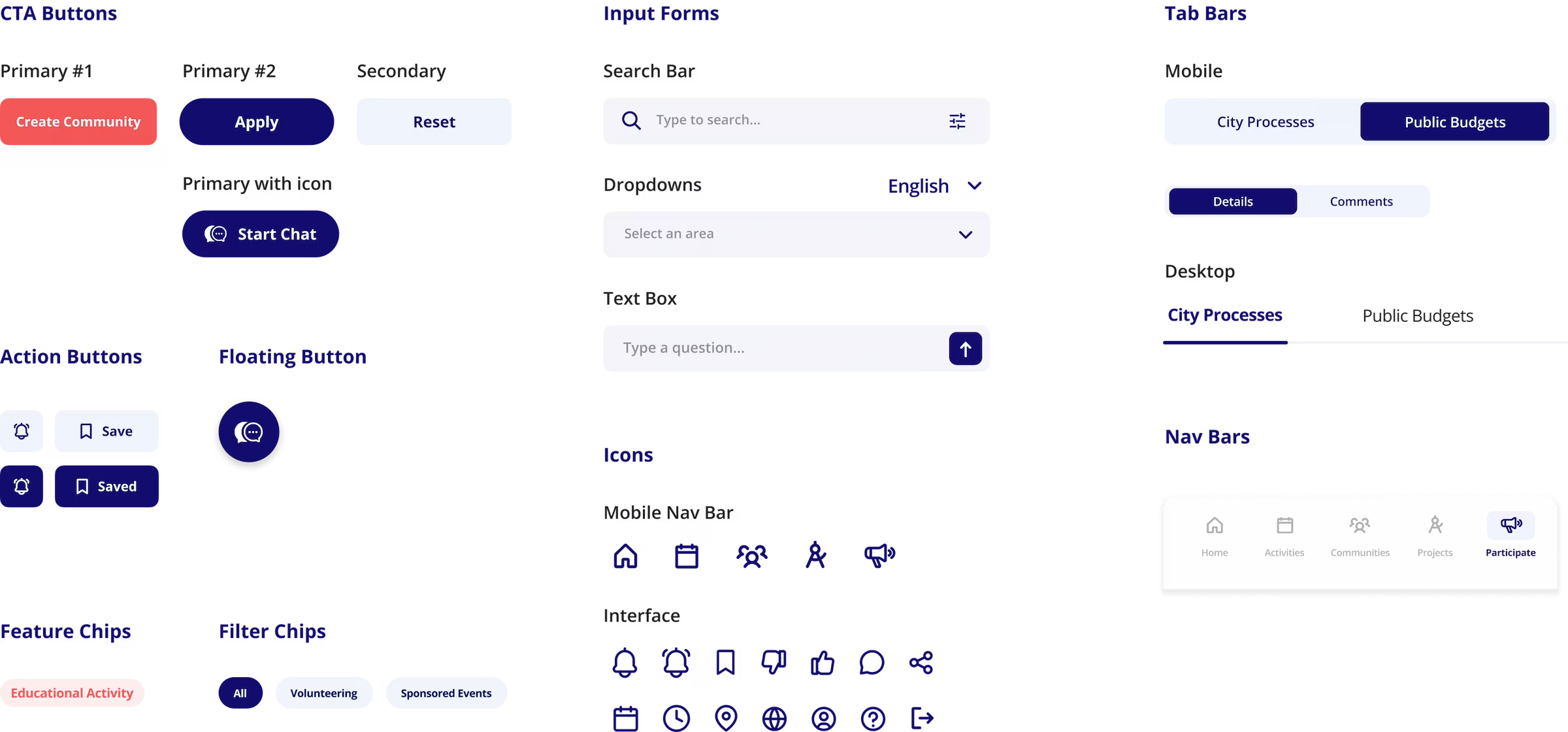
Design System
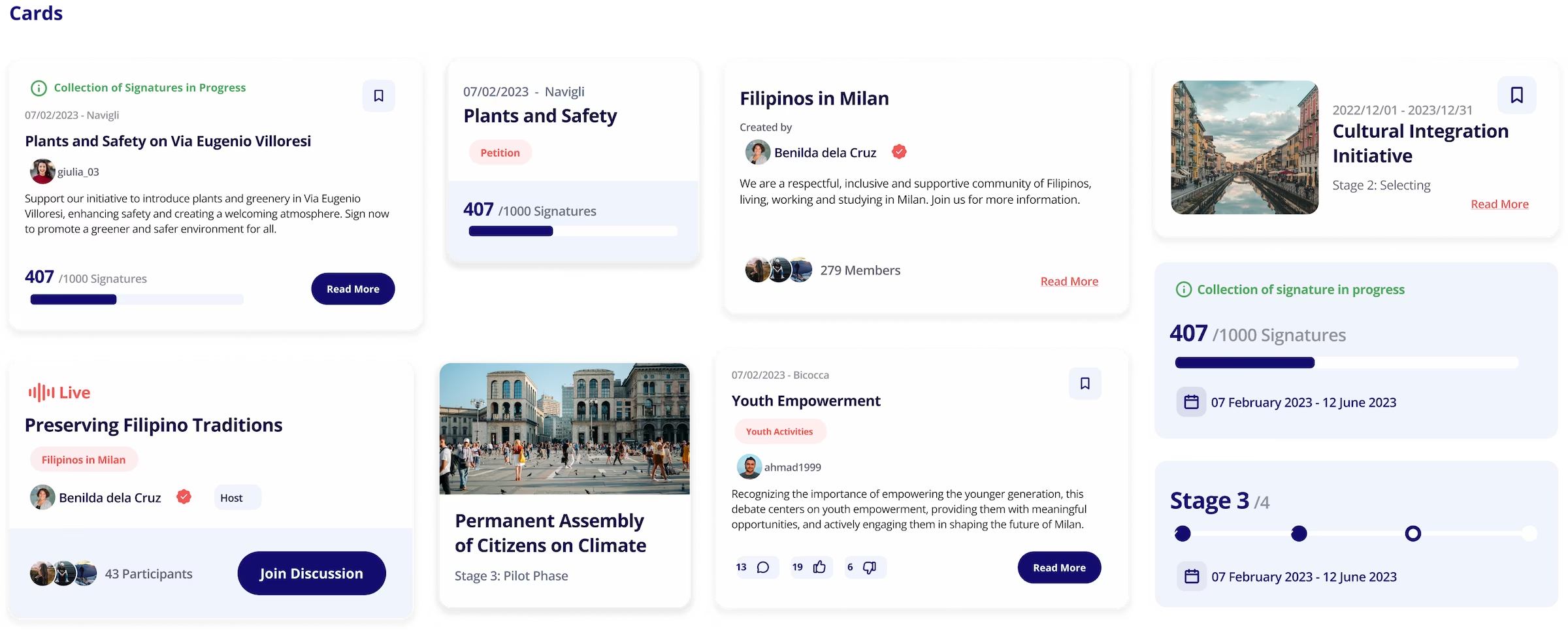
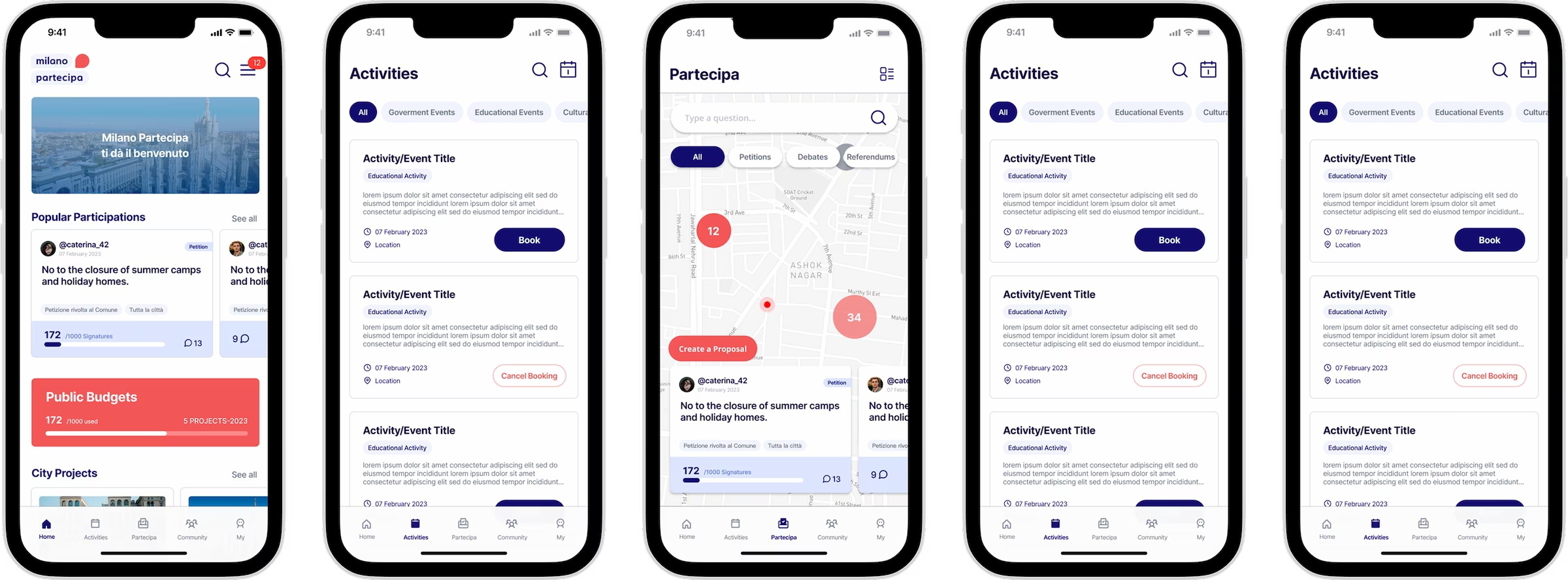
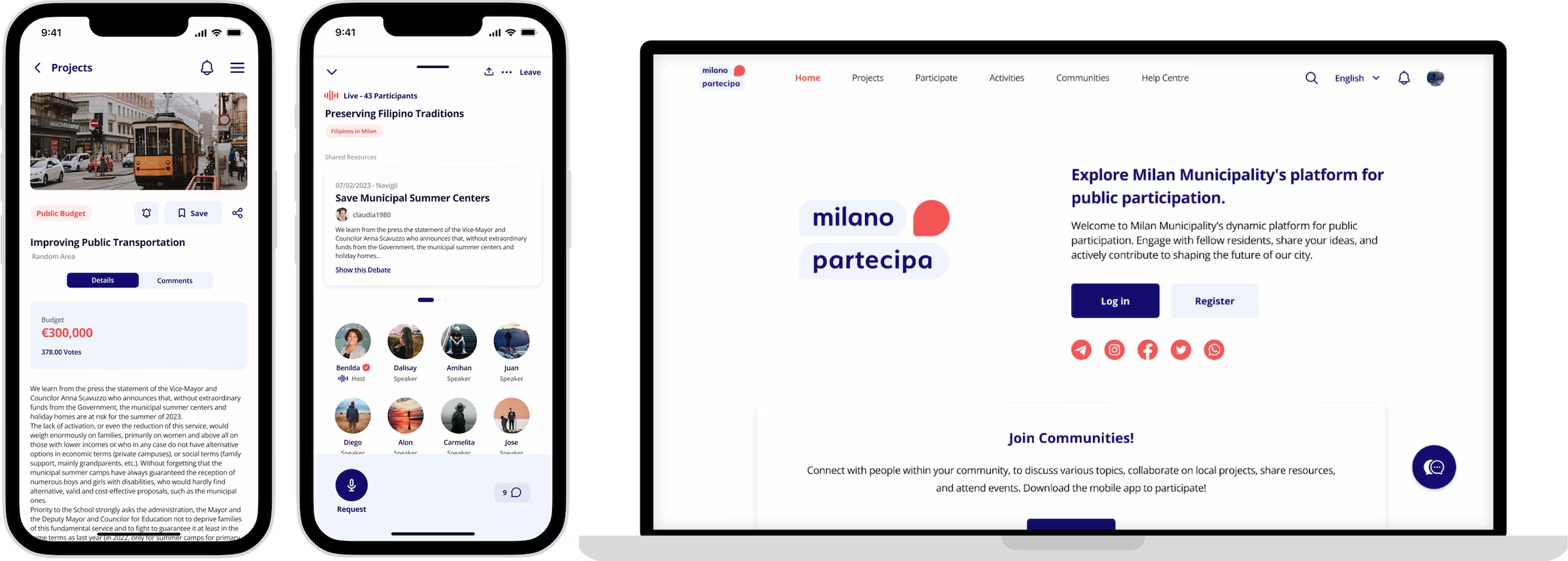
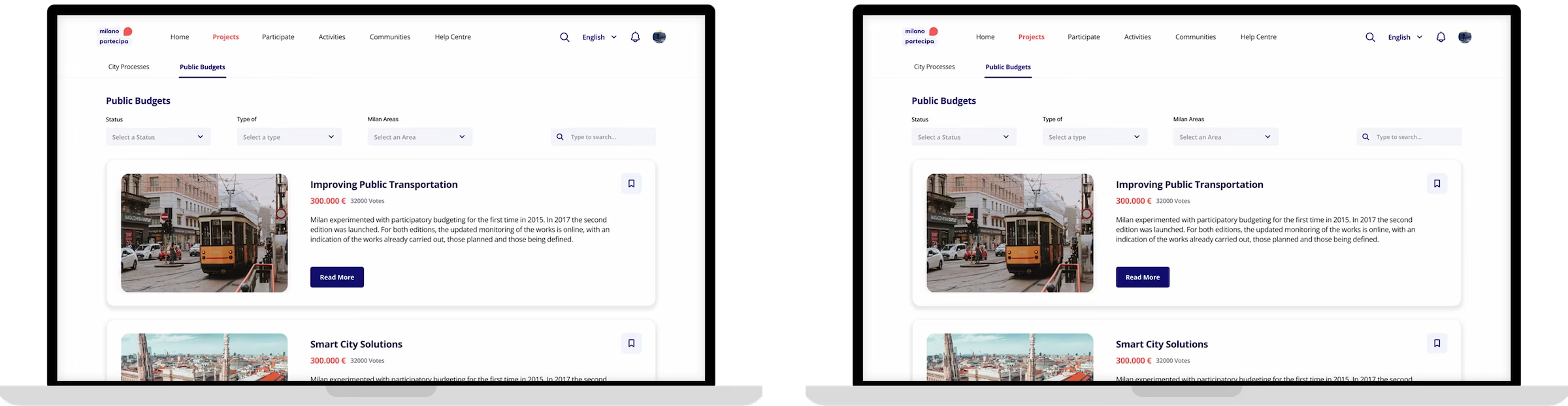
Hi-Fi Prototype
Usability Test
Tasks
You want to start a chat to solve simple questions about Milan Municipality.
You want to join an online live discussion in your community.
You are new to the city and you want to participate in some local activities.
You want to create a petition for an idea you have to improve the city.
You want to check a debate about a topic of your interest.
You want to check your published petitions.
You want to save one of the city projects available in the app.
You want to check your saved debates.
Problem Analysis
Elevated misclick rate on Homepage for petition and debate tasks: users clicked the "petitions" and "debates" filters in "Popular Proposals" to access those pages, confusing them with buttons.
Potential Improvement
Based on Nielsen's Heuristics #6: Recognition rather than recall. (1) Two separate highlighted sections for debates and petitions. (2) An "Essentials" section with shortcuts to the most important features.
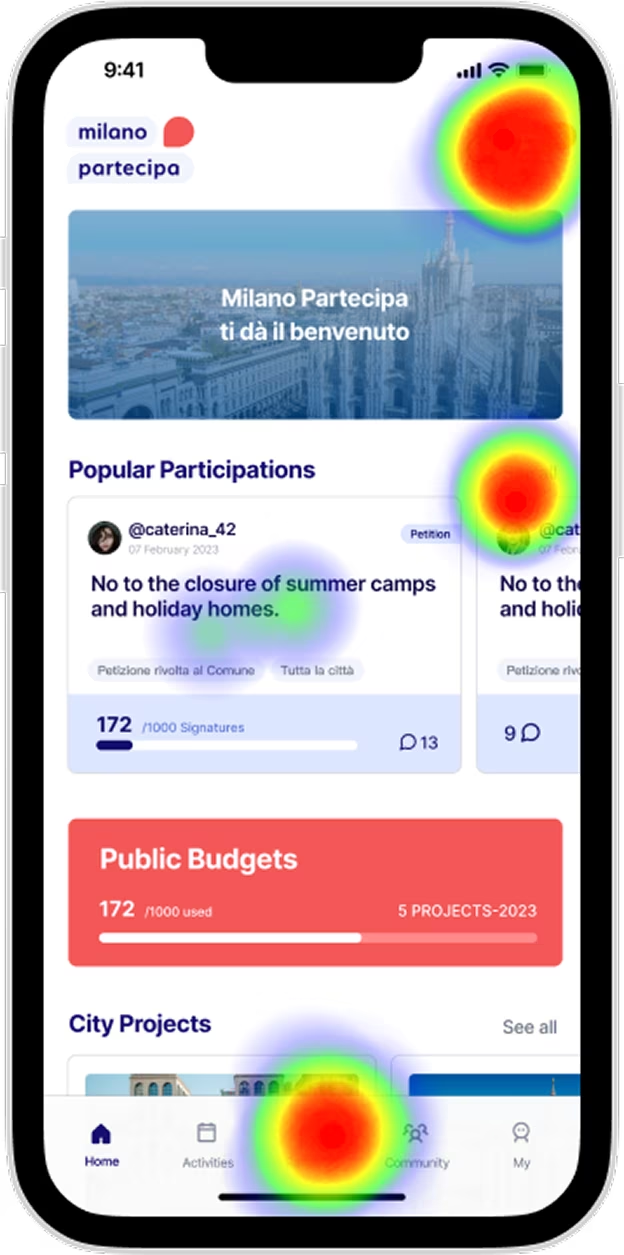
Homepage Heatmap
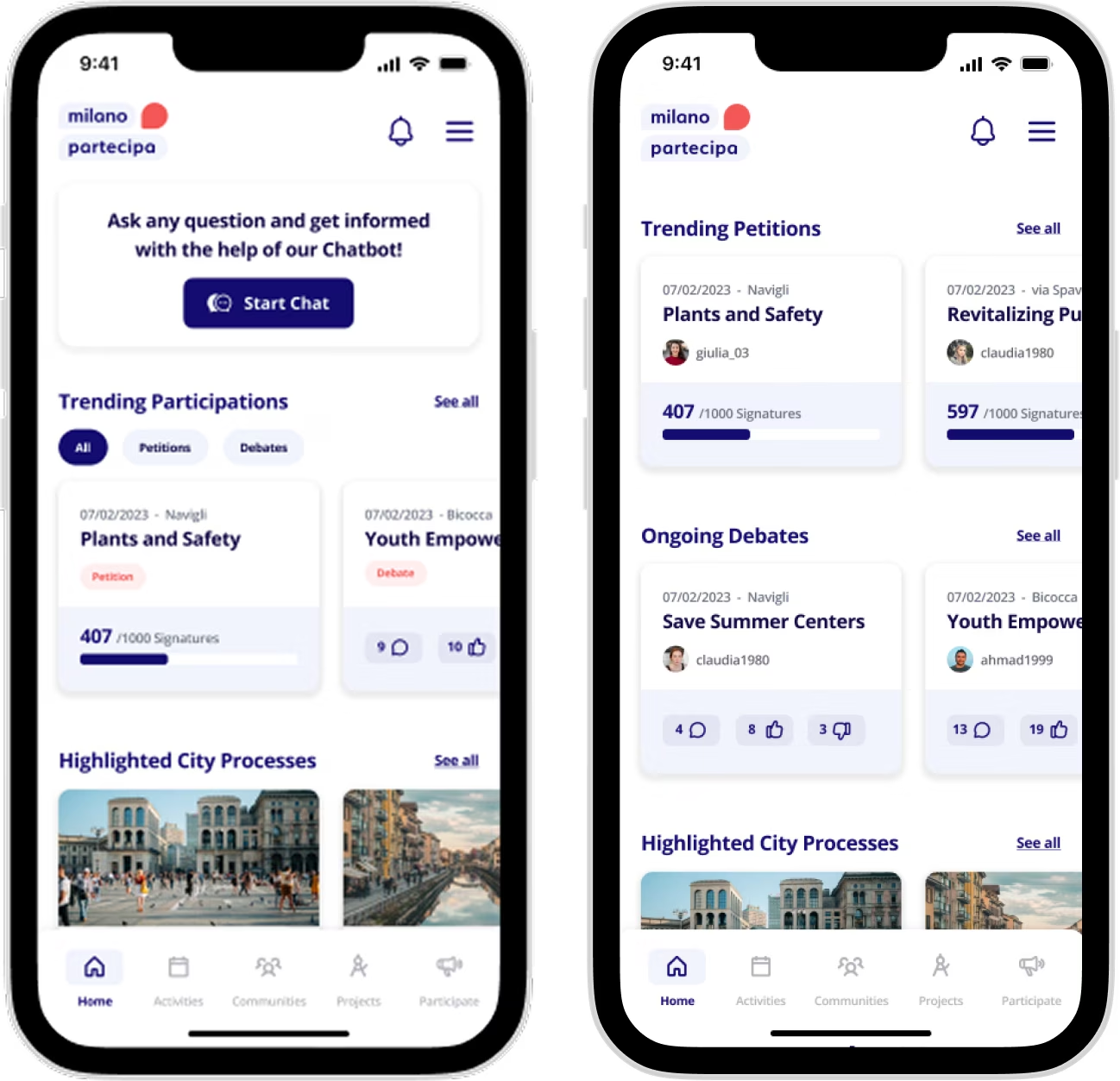
Proposed Solution
Conclusions & Further Actions
While we aimed at an inclusive platform for minorities and underrepresented communities, the solution serves all users in the Municipality's "Citizen" and "City Users" categories.
We ran rigorous testing and iterations to validate IA and UI. Most users completed tasks successfully; minor improvements are planned for future iterations.
We focused on features that build community and trust. Activities and Communities sections are key and will be developed further.