Beikemama
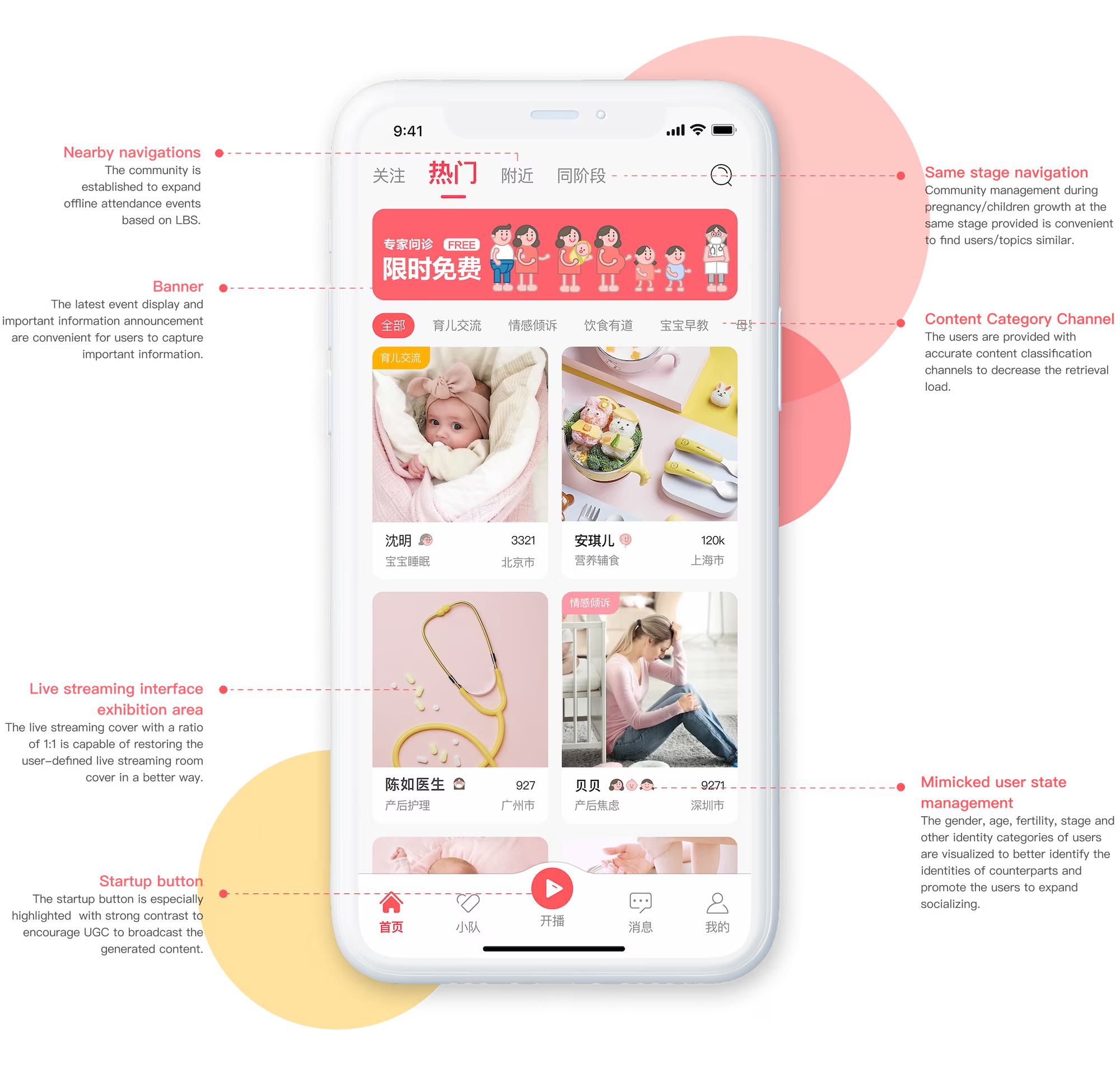
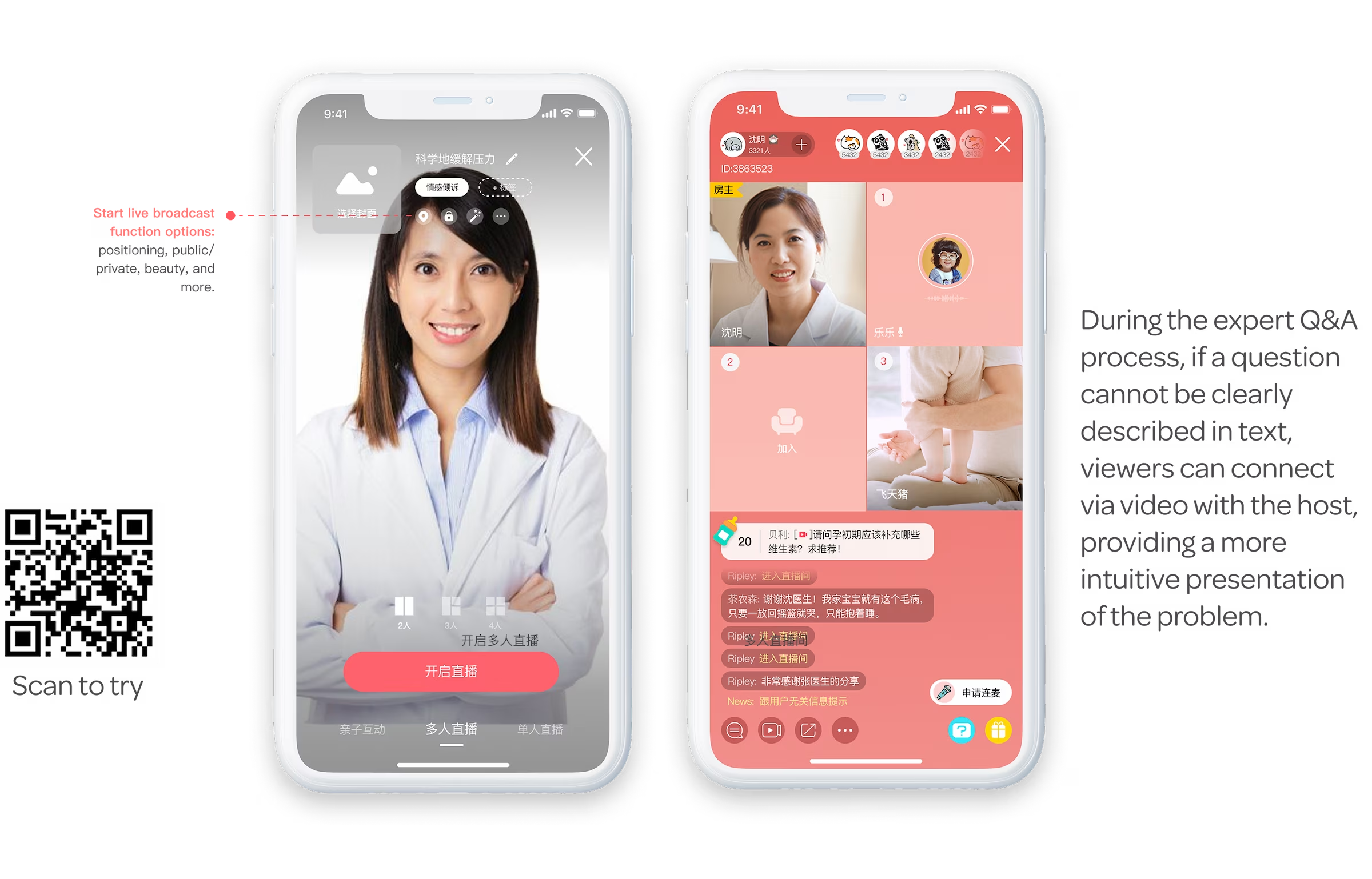
A live social product for pregnant women and families with children aged 0-6, combining real-time streams, expert Q&A, and parent-child activities.
About Beikemama
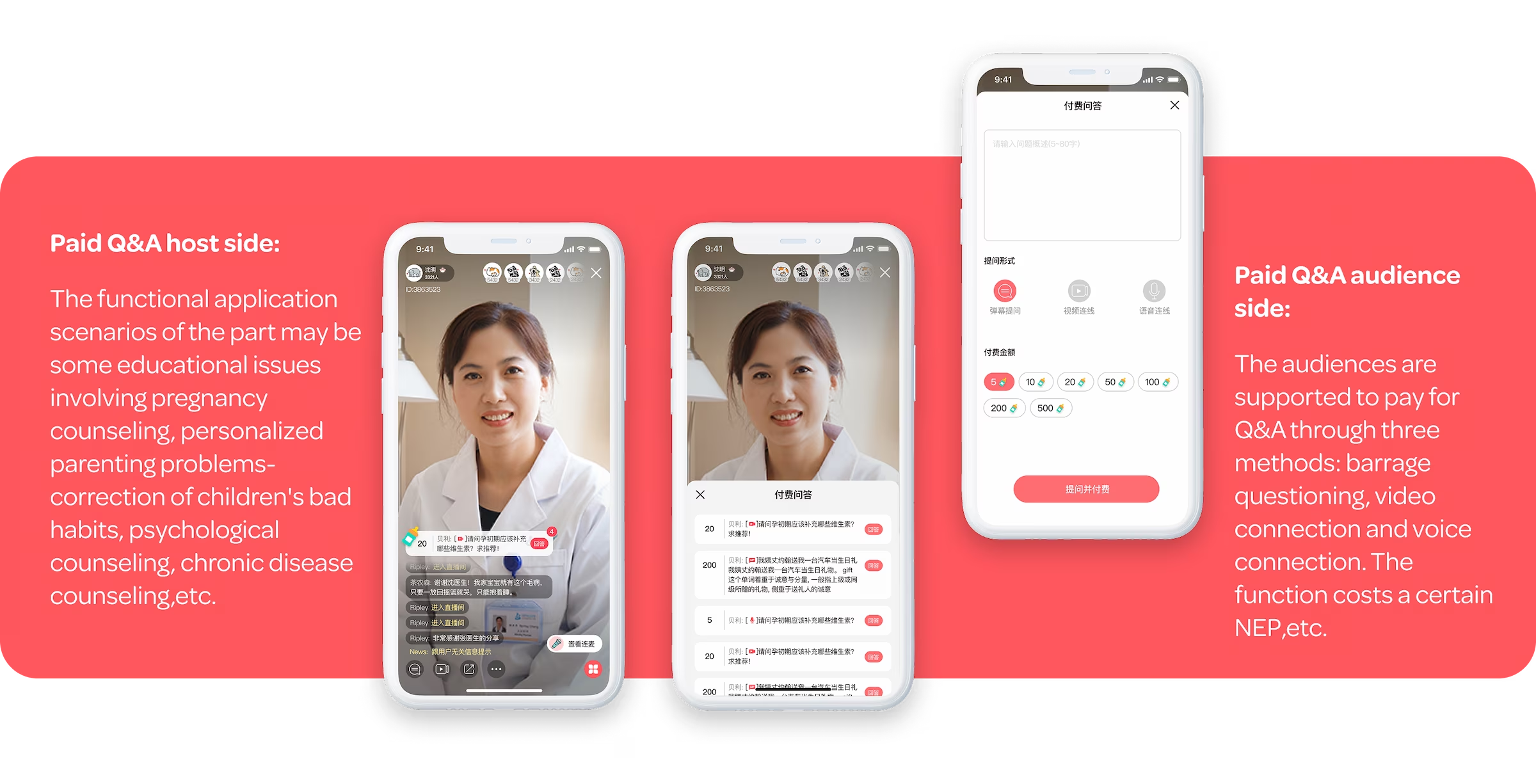
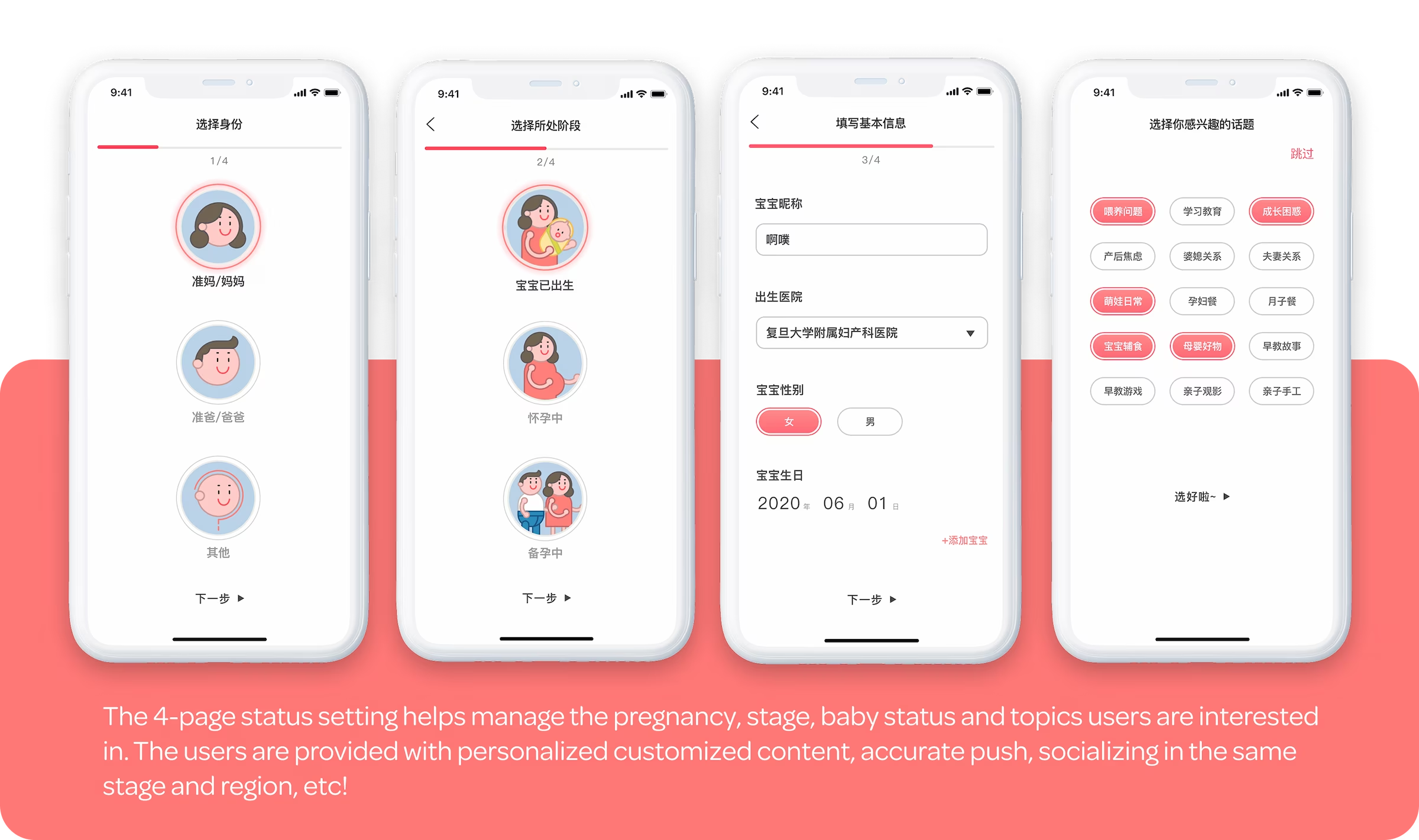
Beikemama helps parents quickly gain practical parenting knowledge and exchange experience with trustworthy communities. The product combines live streams, interactive expert Q&A, and parent-child activities into a more supportive family-learning platform.
Role
Product Designer,
UX & UI
Team
Solo designer,
Product team
Tool
Figma,
Research synthesis,
Prototype
Company
Beikemama
Year
2020 · 8 weeks
Background
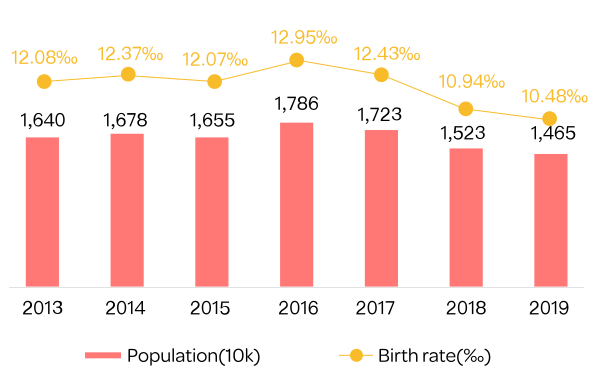
Benefiting from China's two-child policy, the number of newborns peaked at 17.86 million in 2016 and still reached 14.65 million in 2019. The share of second-child families keeps growing, making them a key focus for the maternal and infant market.
Newly born population and birth rate from 2013 to 2019
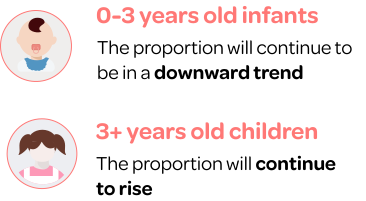
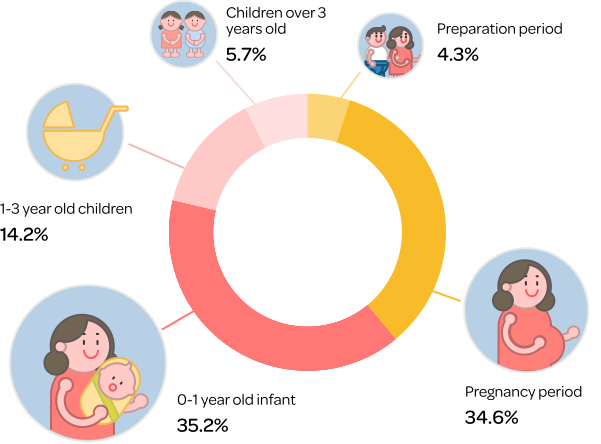
Proportion of children in the next three years

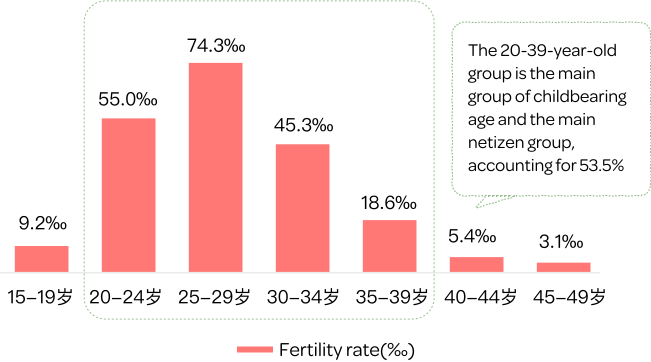
Age-specific fertility rates of women of childbearing age in China in 2019
Note:
1. Fertility rate = (Number of births / Average population during the year) × 1000‰.
2. Age-specific fertility rate: Number of live births per 1,000 women in a certain age group.
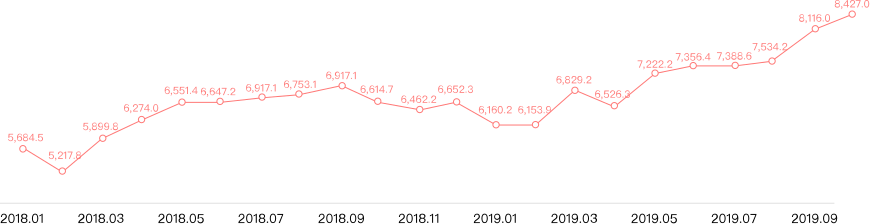
Number of active people in maternal and infant APPs (ten thousand)
Monthly expenditure on maternal and infant products
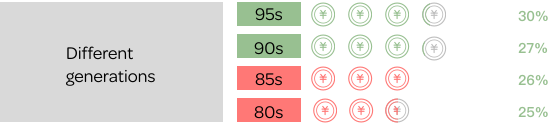
Monthly consumption amount of maternal & infant products: ¥3456
The proportion of family monthly income occupied: 26%
Summary
- 1. China has a huge newborn population.
- 2. The scale of the maternal and infant market constantly grows and is estimated to reach 3.25 trillion yuan in 2020. The main consumers are young parents and youngsters in towns.
- 3. The overall active users of maternal and infant APPs increased by over 70% from January 2018 to September 2019. Demographic dividend and migration trends promoted the rapid development of maternal and infant APPs.
User research
From first-tier to fourth-tier cities across China, we distributed online questionnaires to young mothers and fathers aged 20–45 with children aged 0–6. In total, we collected 2,500 valid survey responses.
Access to childcare information (Top 10)
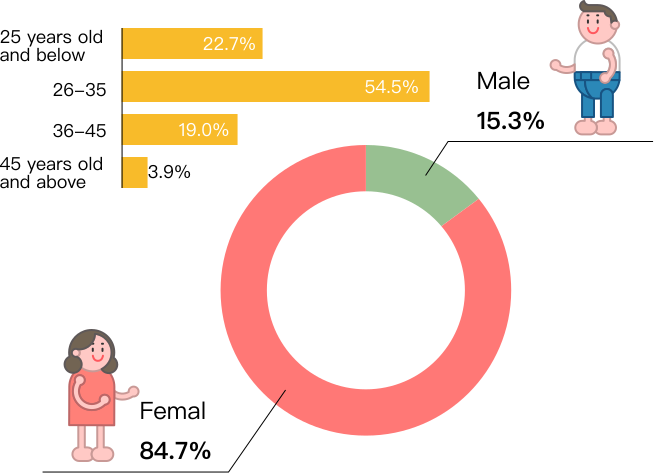
Basic information of maternal and infant APP users
User interview
This interview involved parents and elders who are either preparing for pregnancy or already have children at home, in order to explore the real needs of the maternal and infant group and differences in user behaviour.
Research method: Online audio and video interviews.
Research size: 15 participants.
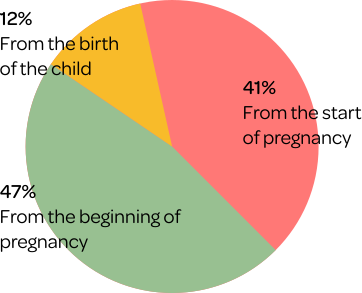
Time for young parents to start learning parenting knowledge
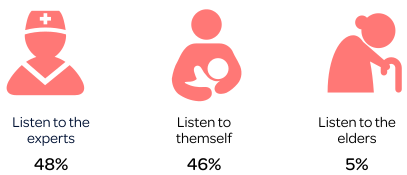
Parenting anxiety of the new generation of parents

Treatment of generation-skipping difference / divergence points
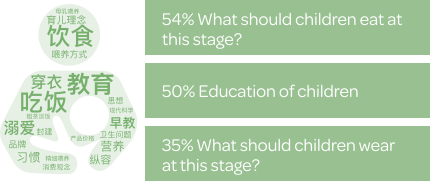
Generation-skipping divergence points (TOP 3)
Here is a summary of their pain points and needs:
- 1. Postpartum mothers feel less attractive and confident.
- 2. The process of accompanying children often feels dull and repetitive.
- 3. They experience high stress, mental tension, and sometimes strained family relationships.
- 4. They prefer interactive games and activities between parents and children.
- 5. They highly value early childhood education and developmental stimulation for their babies.
- 6. They hope to obtain parenting information in a relaxed and enjoyable manner rather than through dry or overwhelming channels.
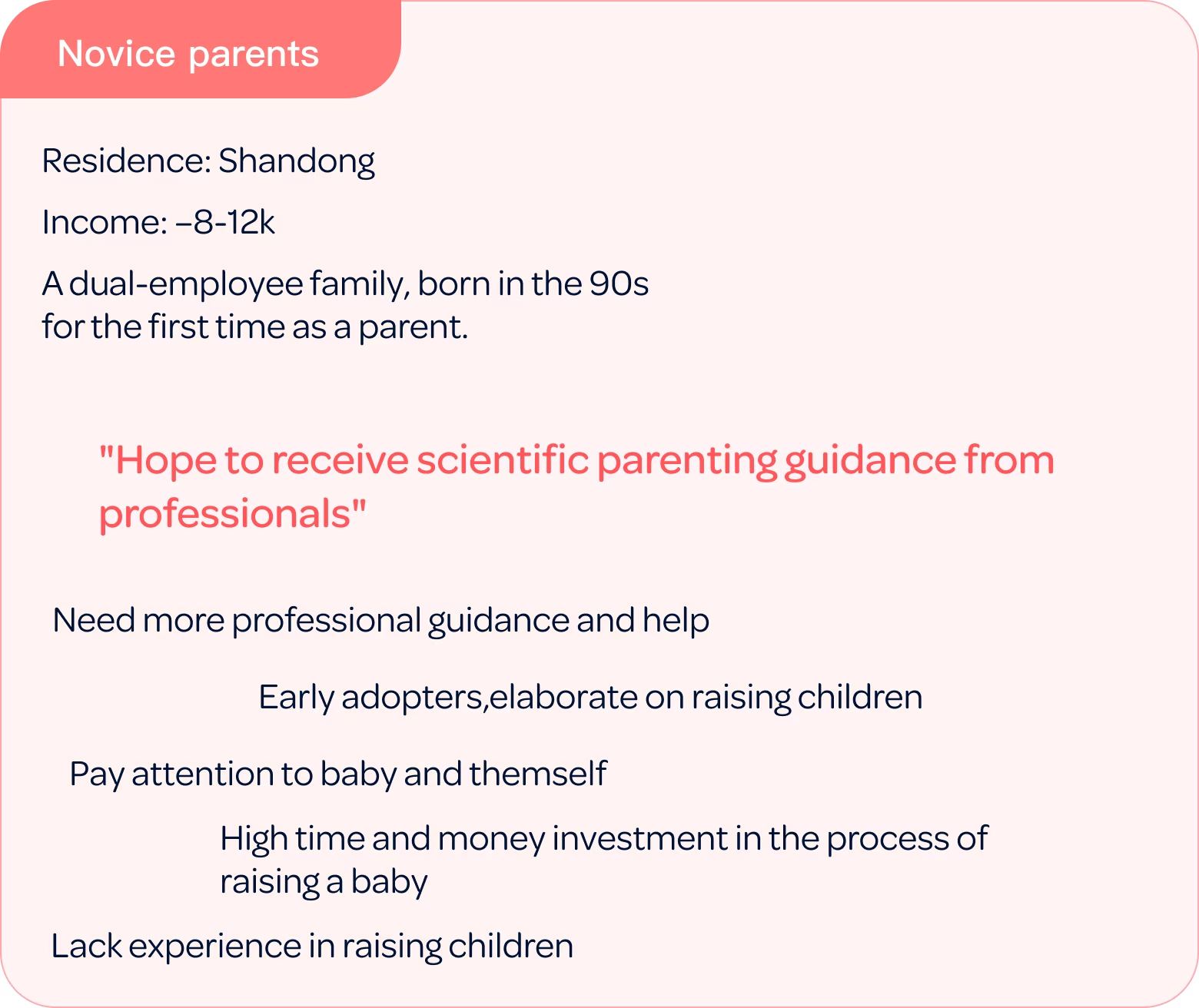
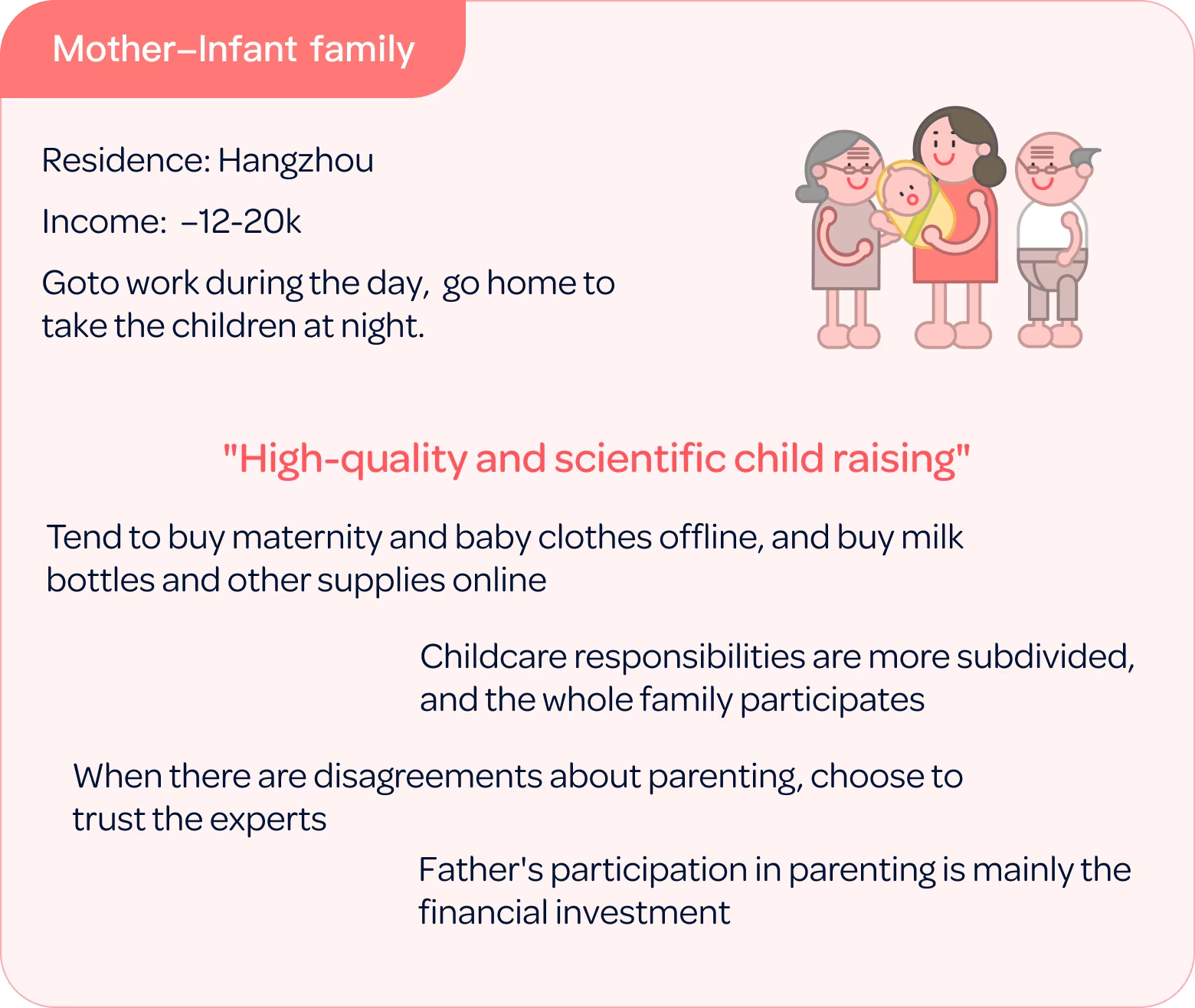
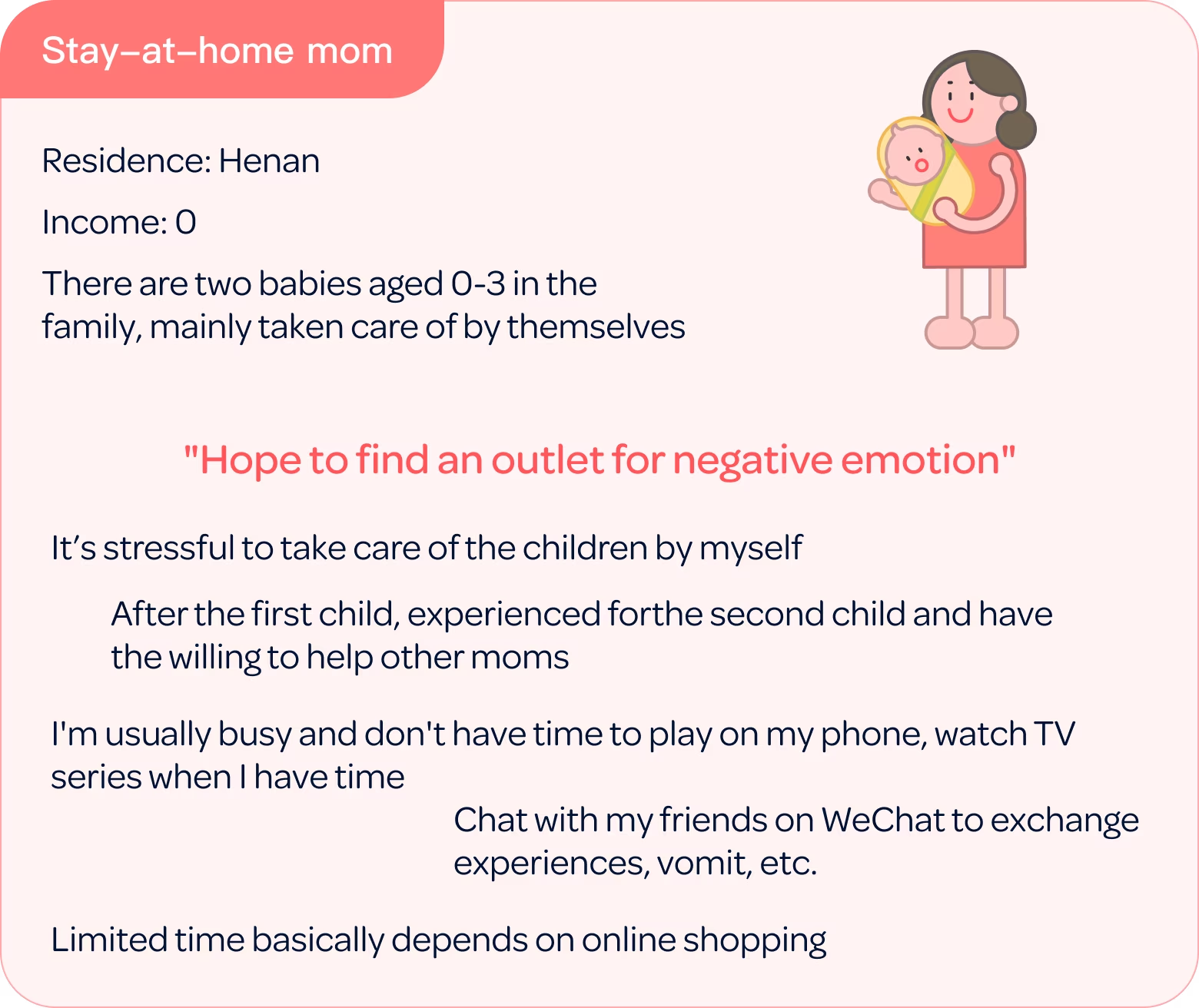
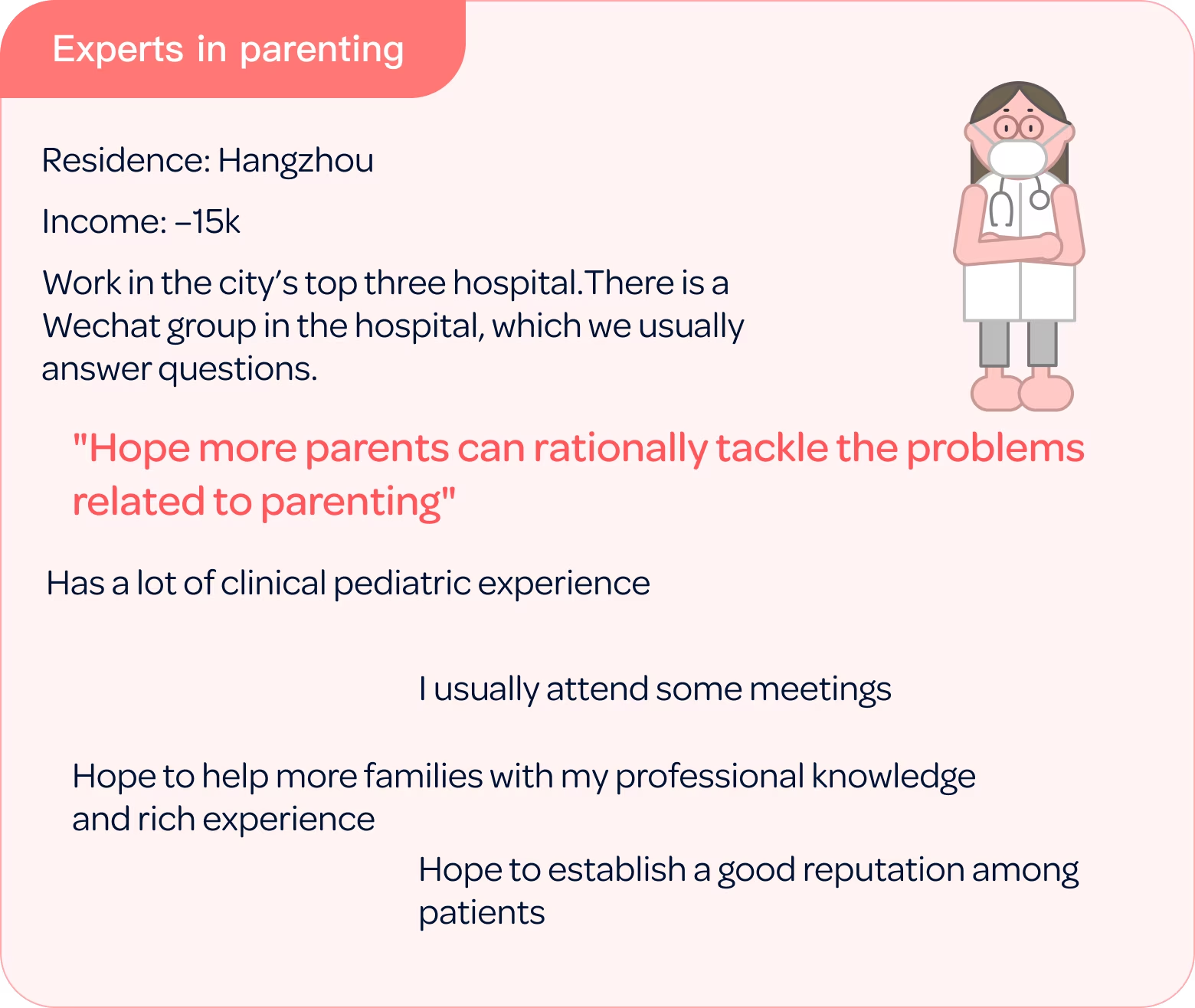
Persona
Competitive product analysis
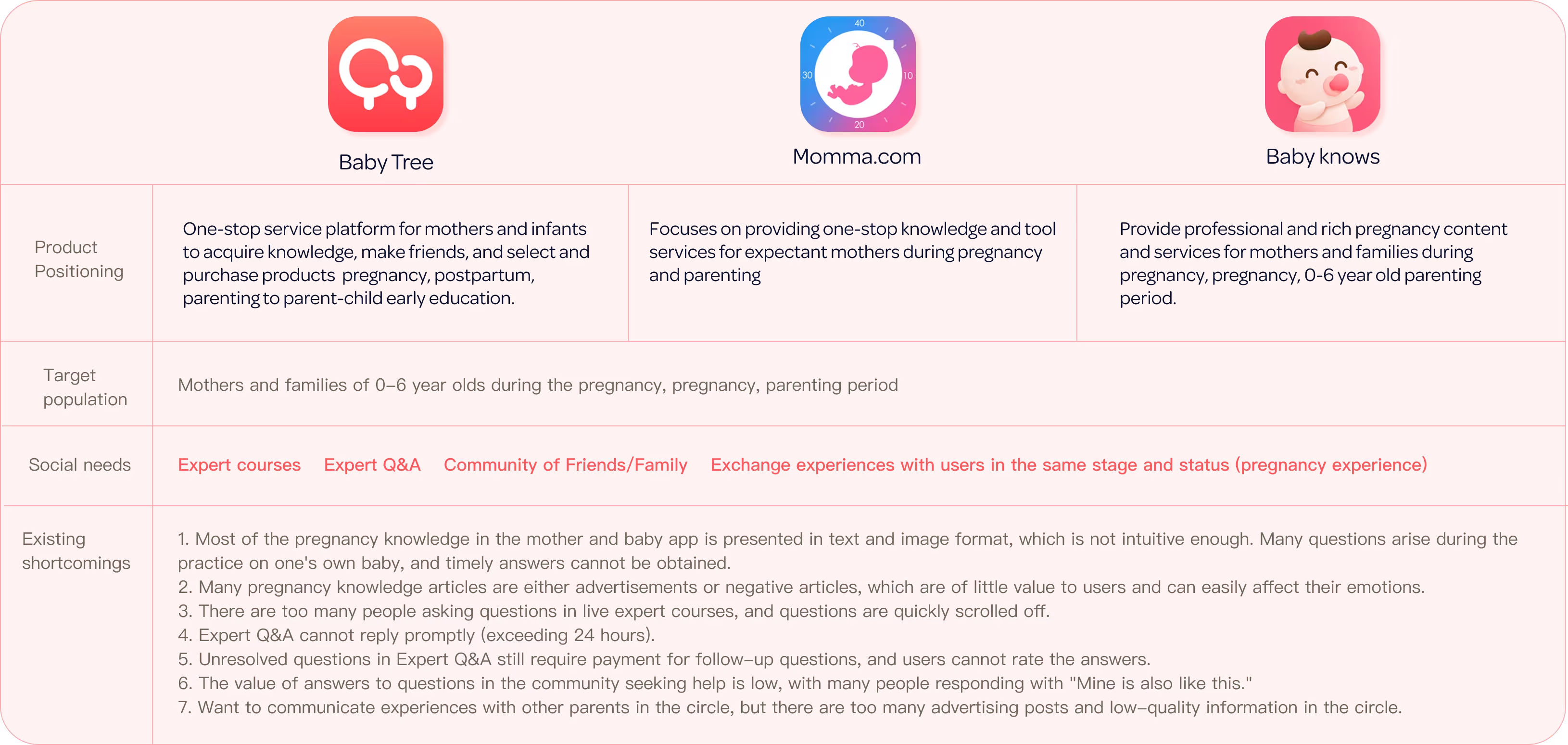
The selected competing products are the three most active apps in the maternal and infant integrated community, which helps reflect current user needs, content tendencies, and interaction patterns in this space.
Opportunity
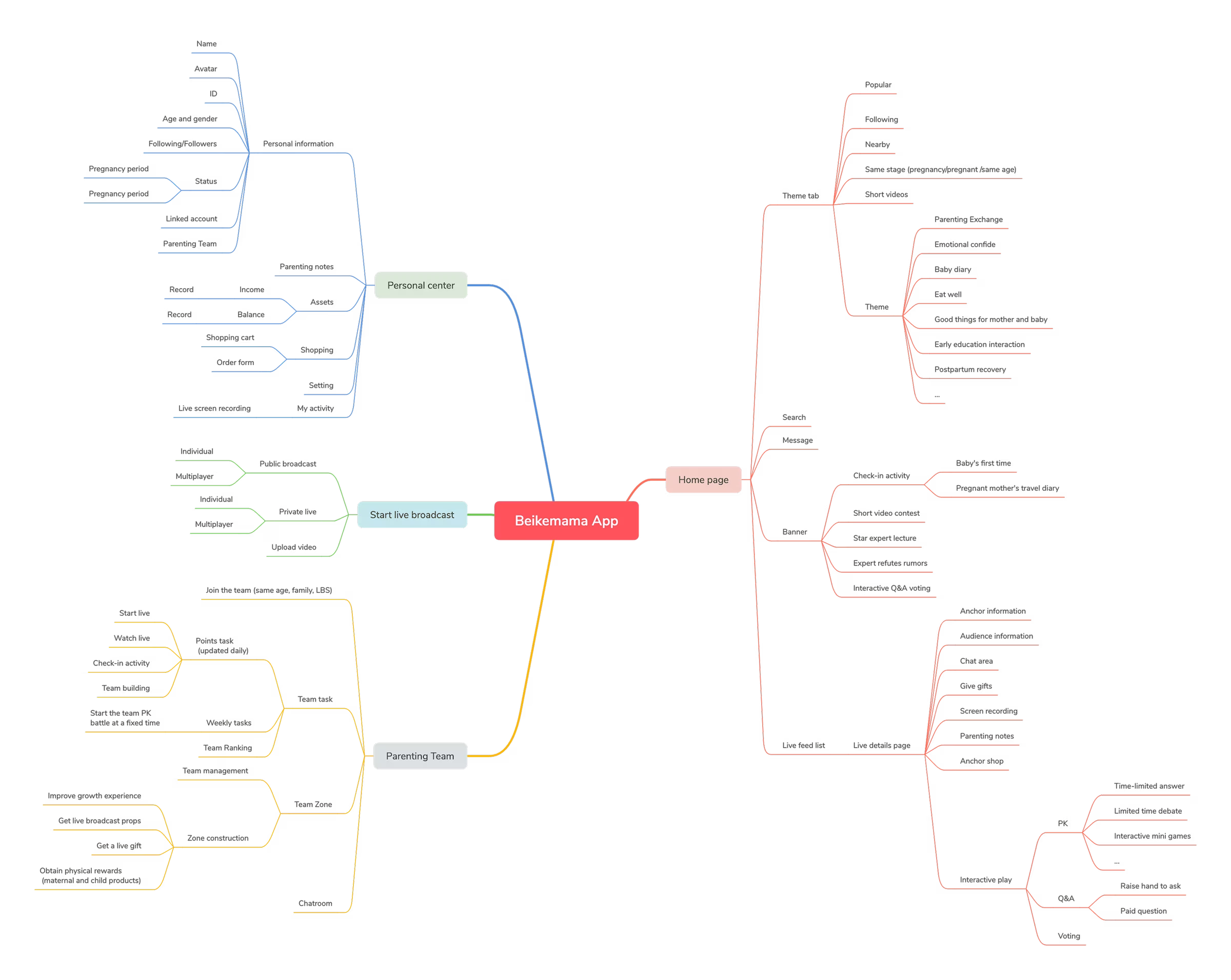
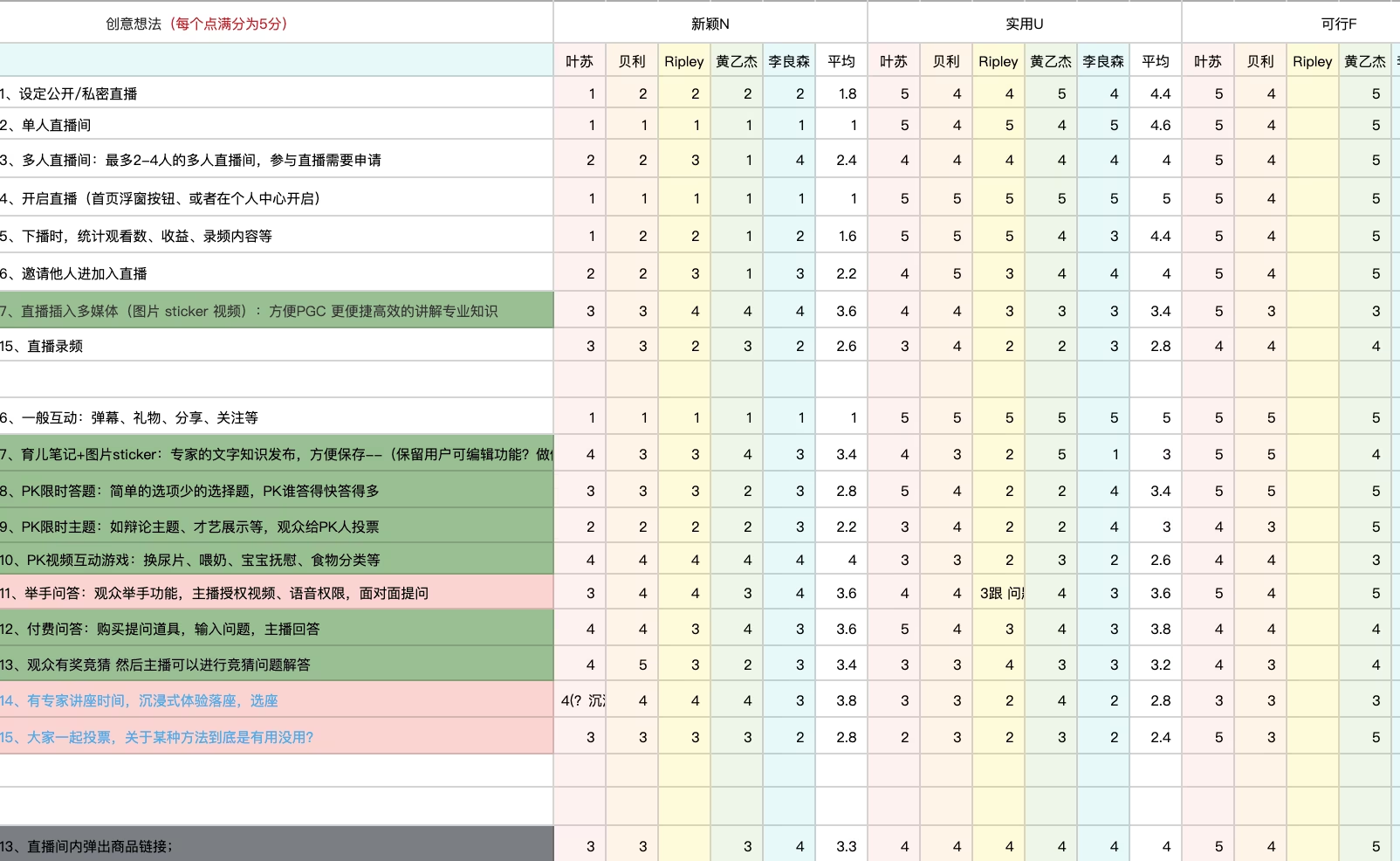
According to the questions raised, over 40 related creative points and function points were identified as directions for future design opportunities.

Reply in time
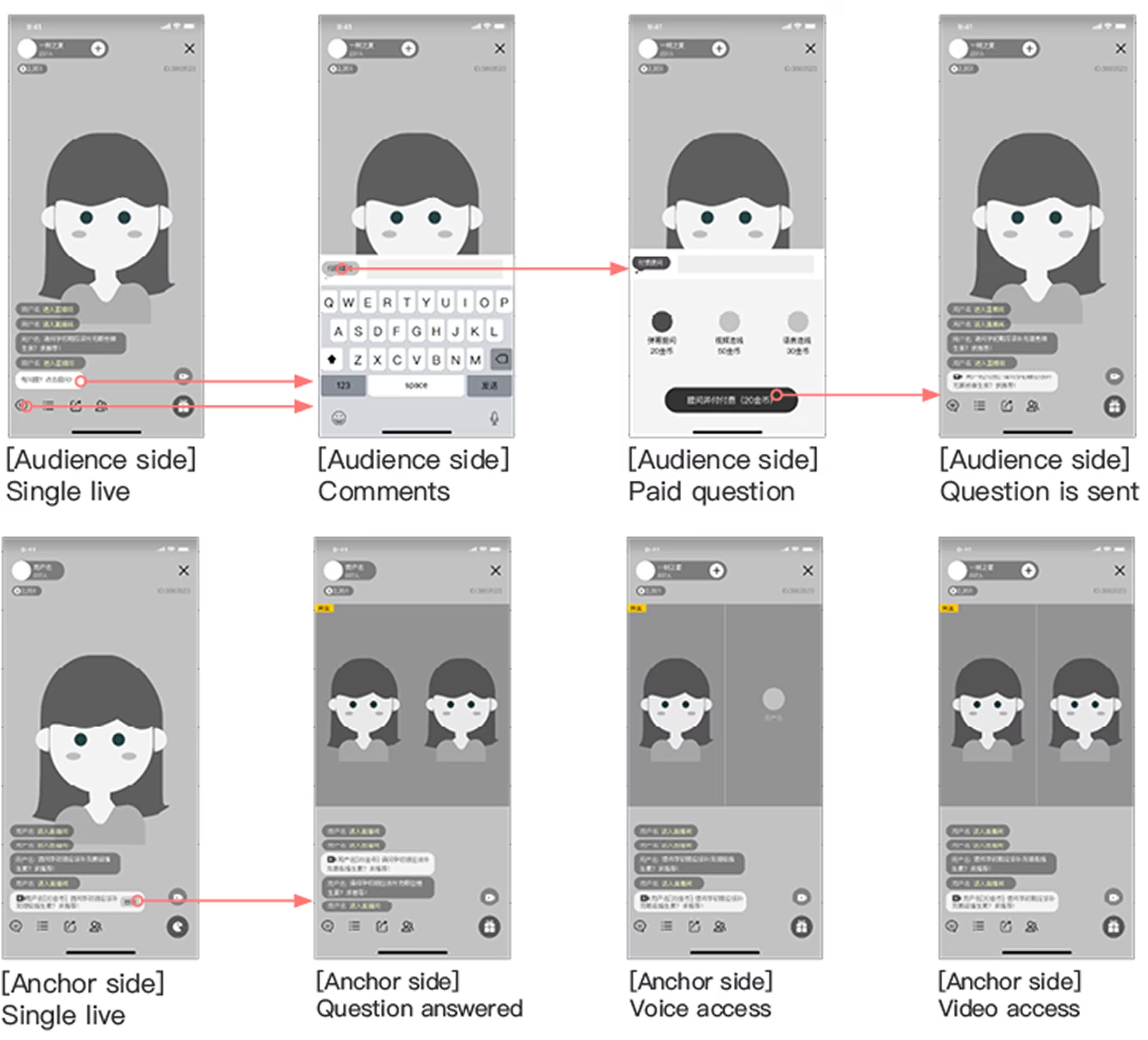
Novice mothers need timely, professional parenting knowledge. Live streaming with doctors and experienced mothers provides quick, reliable answers.

Psychological relief
Pregnant mothers and caregivers face high stress and need people who truly understand them. Professional counselors and supportive communities help ease worries.
Summary
- The advantages of live streaming include timely feedback, powerful social communication, and diversified ways of knowledge imparting.
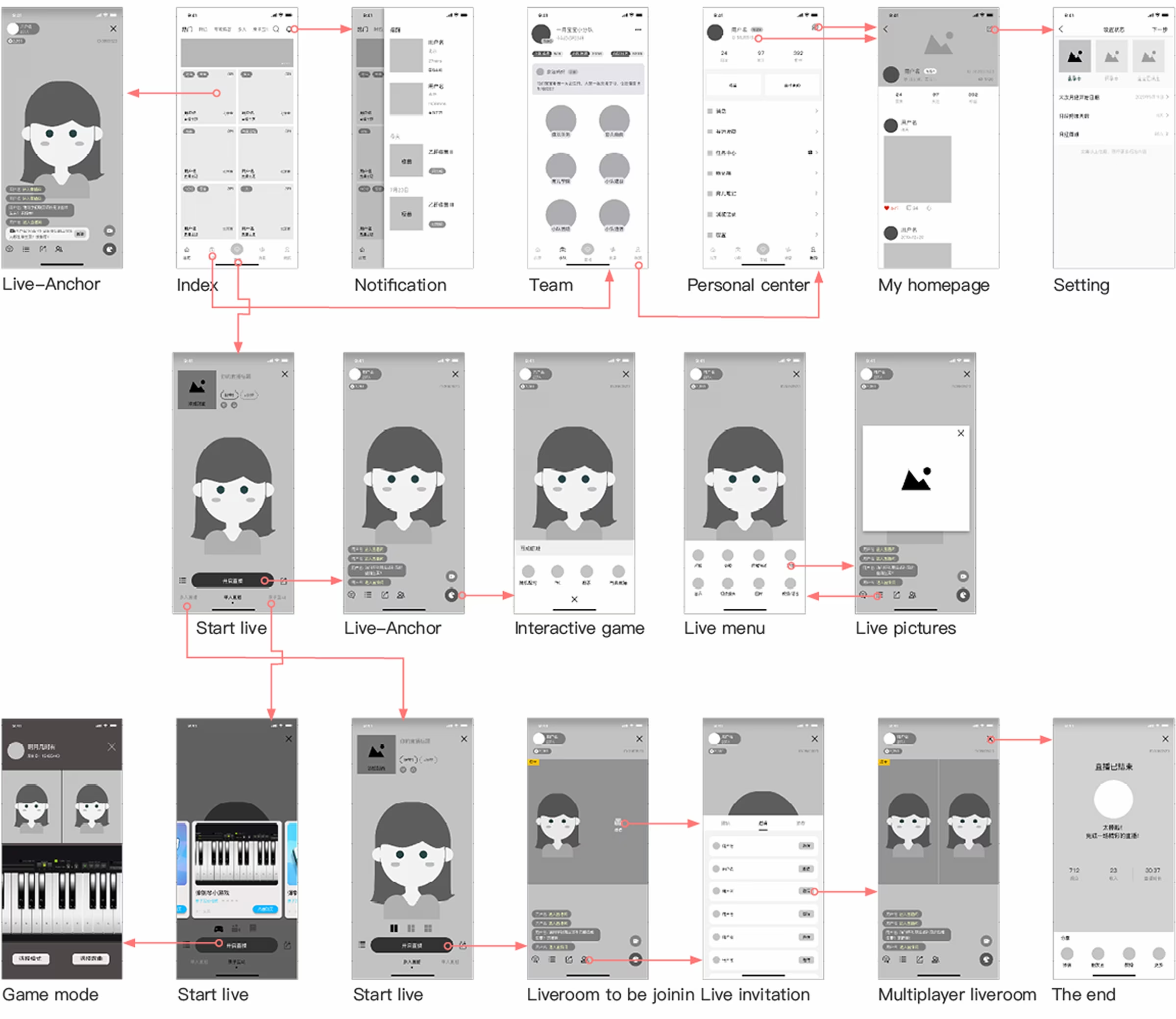
- A comprehensive maternal and infant social platform combining live streaming and community.