Jobnova
An AI-native career ecosystem designed for modern job seekers to instantly discover tailored opportunities and automate the end-to-end application process with hyper-personalized resumes.
UX research
Before defining user archetypes and detailed insights, we ran structured UX research to ground the product in real search behavior, trust boundaries, and ATS friction—not assumptions about "faster applications."
In-depth interviews
| No | Questions | Alex, 24 Y. O. | Sarah, 35 Y. O. | David, 42 Y. O | Lisa, 32 Y. O | Jiahui, 22 Y. O |
|---|---|---|---|---|---|---|
| Q1 | Can you tell me about your current job search situation? | CS grad, 3 months in, 200+ applications sent. Mostly LinkedIn Easy Apply. Rarely hear back — feels like a void. | 10 years in marketing, pivoting to PM. Experience is there but my resume doesn't say "PM" yet. Rewriting it for every role is exhausting. | Senior engineer, passively looking. I check boards twice a week. I want the right role, not just any role. | Returning after 14 months maternity leave. Only a few hours a day to search. I need to be fast and strategic. | On OPT, need H-1B sponsorship. Most listings don't mention visa policy, so I waste time applying to dead ends. |
| Q2 | What's your process when searching and applying? | Filter by Easy Apply, blast 10–15 apps a day with a copy-pasted resume. I know quality is low but the volume pressure is real. | I find a target role, spend 2–3 hours tailoring the resume and writing a cover letter. Maybe 3 solid applications a week. | I go direct to company career pages. Try to get a referral first — it bypasses ATS. If not, I only apply when I'm confident in the fit. | I use the kids' nap time — 90 minutes. I have a spreadsheet to track apps. I try to tailor but often send a generic one just to keep moving. | I manually check each company's website for visa policy before applying. 70% of my time is filtering, not actually applying. |
| Q3 | What are the biggest challenges you face? | No feedback, ever. I got an automated rejection in 4 minutes once — no human read it. I also always miss postings that close fast. | Manual tailoring is unsustainable. And I'm second-guessing my pivot narrative — is my story landing? It's affecting my confidence. | Too much noise. Even filtered searches serve me mid-level roles. No visibility into how my application is being evaluated. | Time. I can't spend 2 hours on one application. I also fear ATS is filtering me out for the career gap before anyone sees my experience. | Finding out a company doesn't sponsor — after I've already applied. The process has no transparency and wastes weeks of effort. |
| Q4 | What would you want in a job search platform? | Auto-tailor my resume per listing. Real-time alerts when a matching role posts. Some kind of fit score so I know where to focus. | AI that handles the keyword rewriting so I can apply more broadly. A clear explanation of what ATS wants — not just a keyword list. | Precision matching, not volume. Notify me only when fit is genuinely high. Show me how competitive the applicant pool is. | Push alerts to my phone or email. A fast resume tailoring tool that works in under 5 minutes. Address the gap strategically without lying. | A real visa sponsorship filter — not vague language, actual H-1B/OPT labeling. Fast resume adaptation. Batch apply to pre-vetted companies. |
| Summary | High-volume, low-quality applicant. Needs automated tailoring + real-time alerts to improve hit rate without more effort. | Over-invests in manual tailoring. Needs AI-assisted resume positioning to scale applications while maintaining quality. | Selective and referral-first. Needs precision matching and less noise — not a mass-apply tool. | Time-constrained returner. Needs passive, push-based discovery and a fast tailoring tool that fits a 90-minute window. | Blocked at the filtering stage. Needs visa sponsorship data upfront and fast batch-apply for pre-vetted companies. |
Key Pain Points
Search Fatigue & Information Overload
Manually sifting through hundreds of irrelevant listings leads to application fatigue — effort drops as volume grows.
The ATS "Black Hole"
75% of resumes never reach a human. Candidates have no visibility into why they were rejected or how to improve.
The Timing Disadvantage
Applying in the first 24 hours increases callbacks by 3×. Most candidates miss the window because they can't monitor listings around the clock.
Persona
We have described 2 types of people according to their experience in the job market. The least experienced are recent graduates entering hiring for the first time — applying broadly with little strategy. And experienced professionals already in work, who know what they want but lack the time and tools to pursue it effectively.
First-Time Job Seeker
01
Experienced Professional
02
Solution
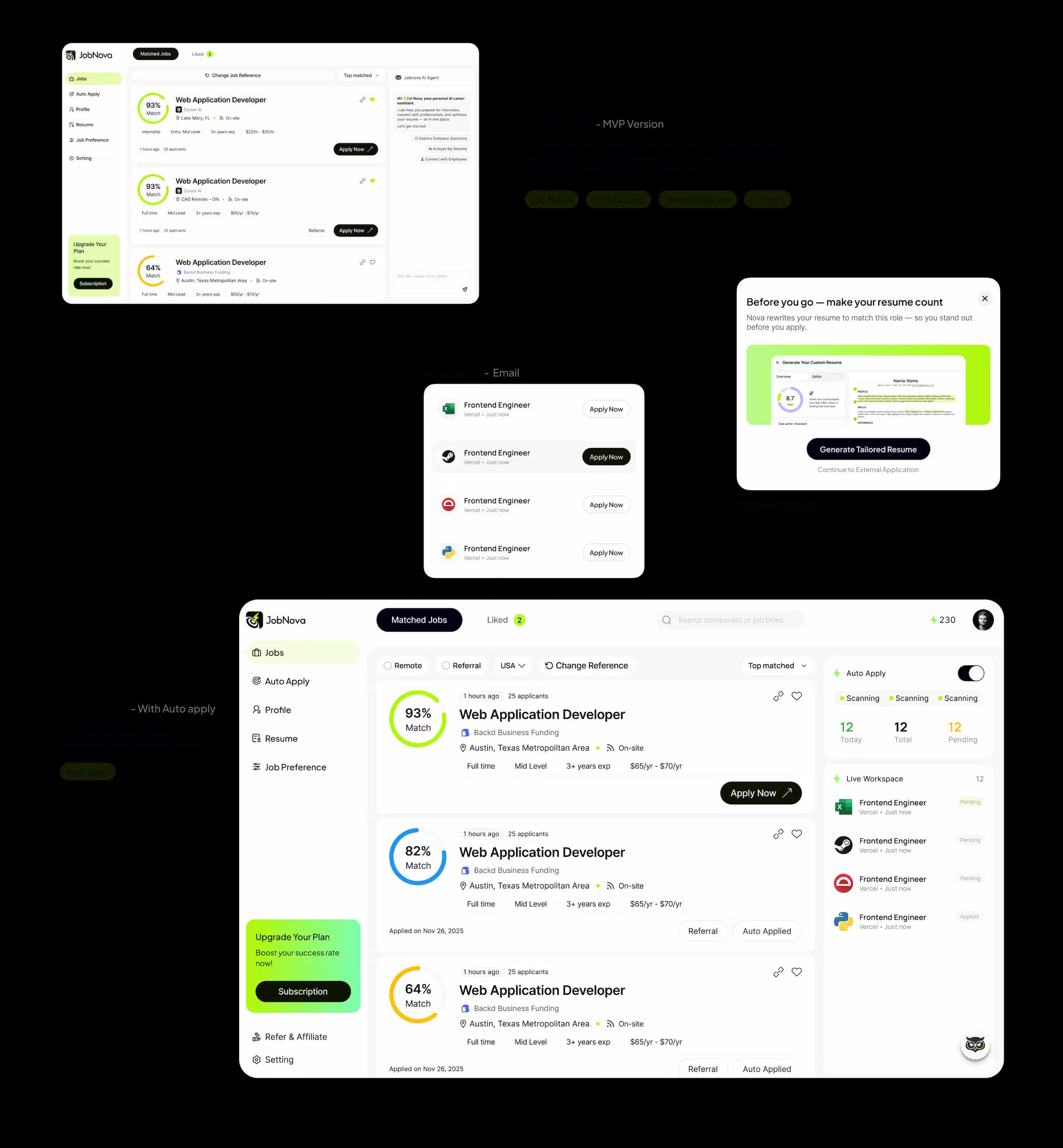
Instant Job Notification
Get alerted the moment a matching role posts — before the first 24 hours close.
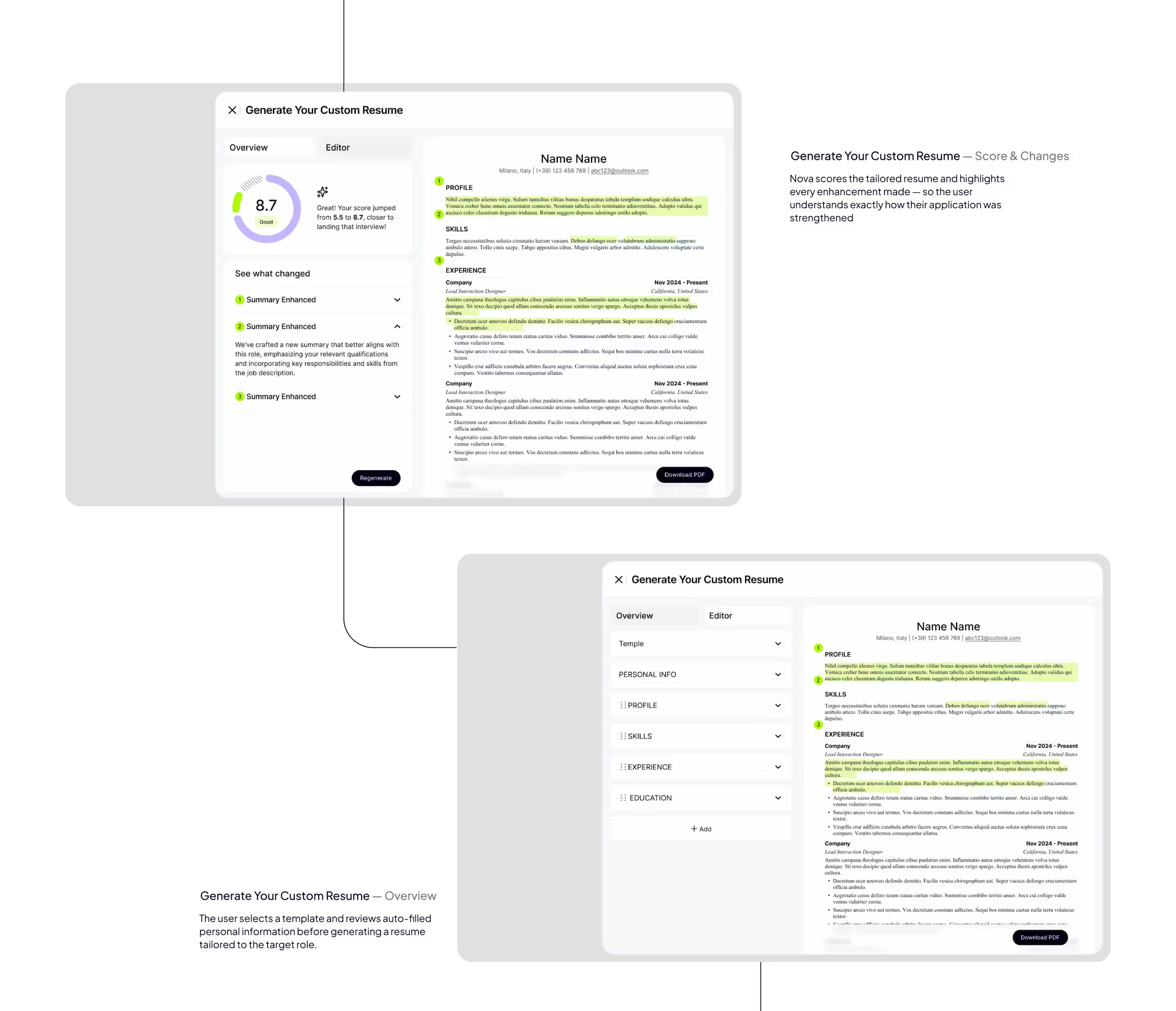
AI Resume Customizer
Rewrites your resume for each role in seconds. Review, adjust, and apply — no more starting from scratch.
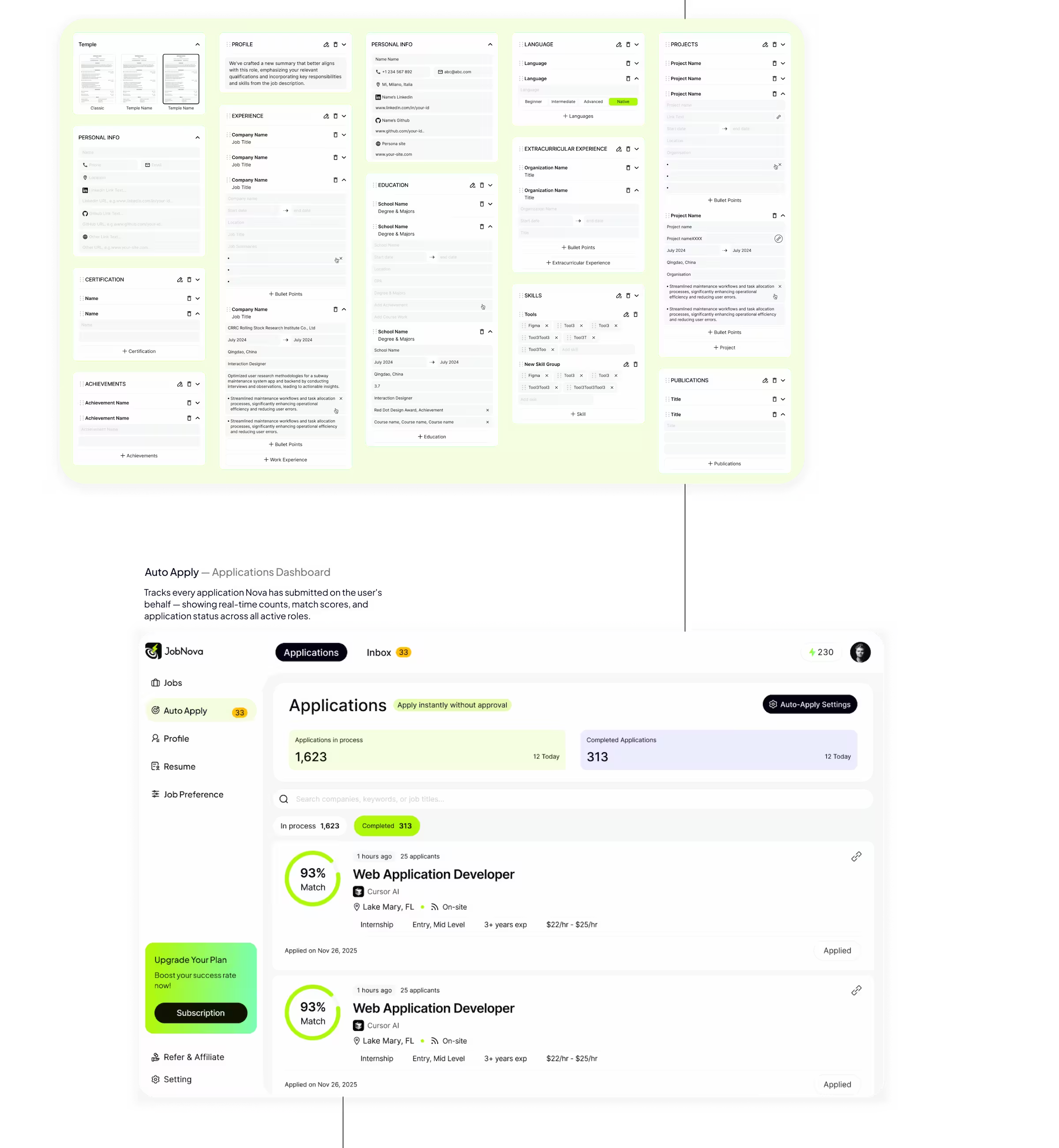
AI Auto Apply
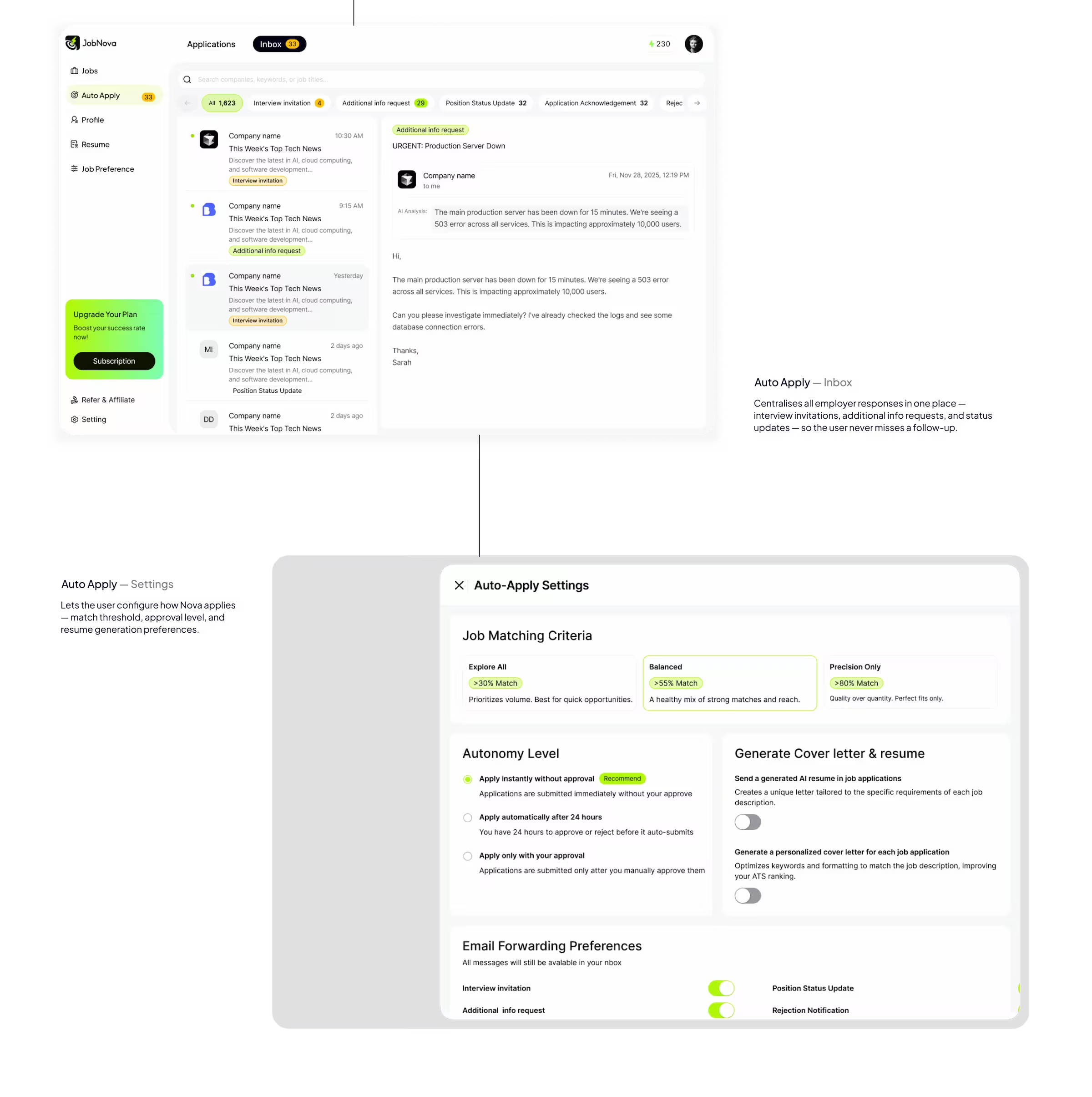
Set your match threshold and let the system apply automatically. Track every application in one dashboard.
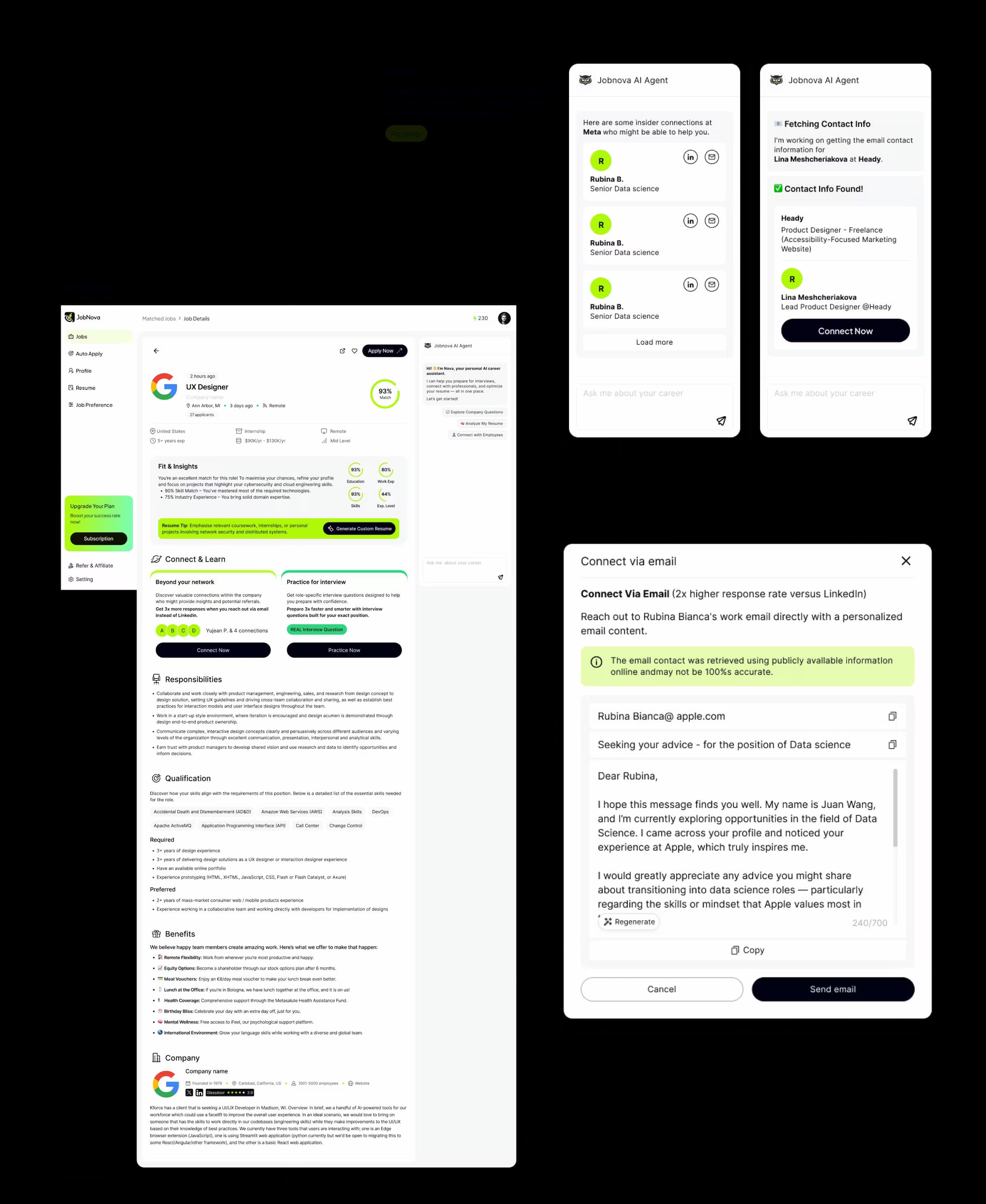
Nova AI Agent
Your AI career co-pilot. Explains fit gaps, drafts outreach, and preps you for interviews — all in one place.
UX design
I designed JobNova to support every type of modern job seeker: the watchers, the optimizers, and the sprinters. The ecosystem automates the high-friction stages of the job search—manual filtering and resume tailoring—while still giving candidates absolute control over their professional narrative and how they connect with opportunities.
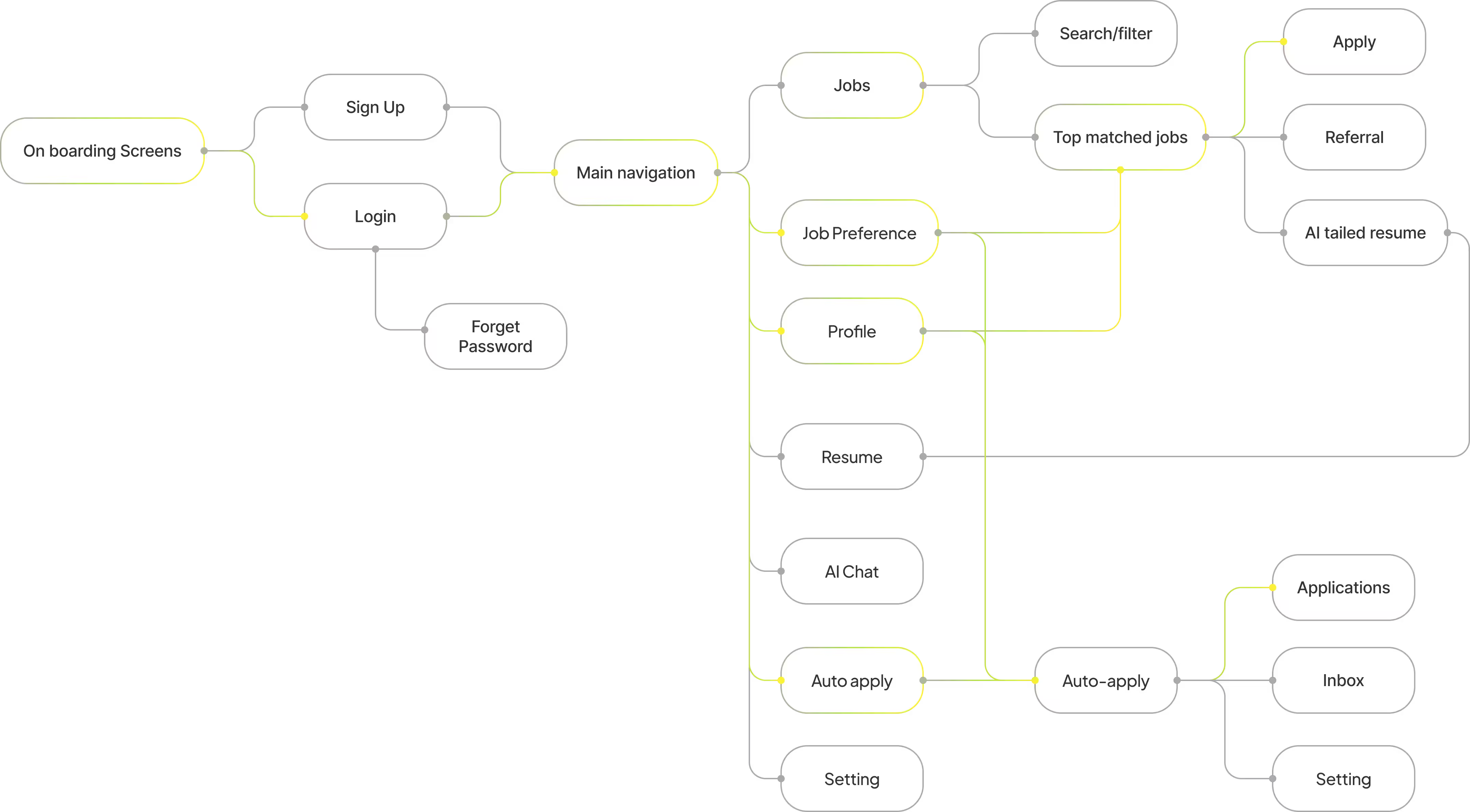
User flow
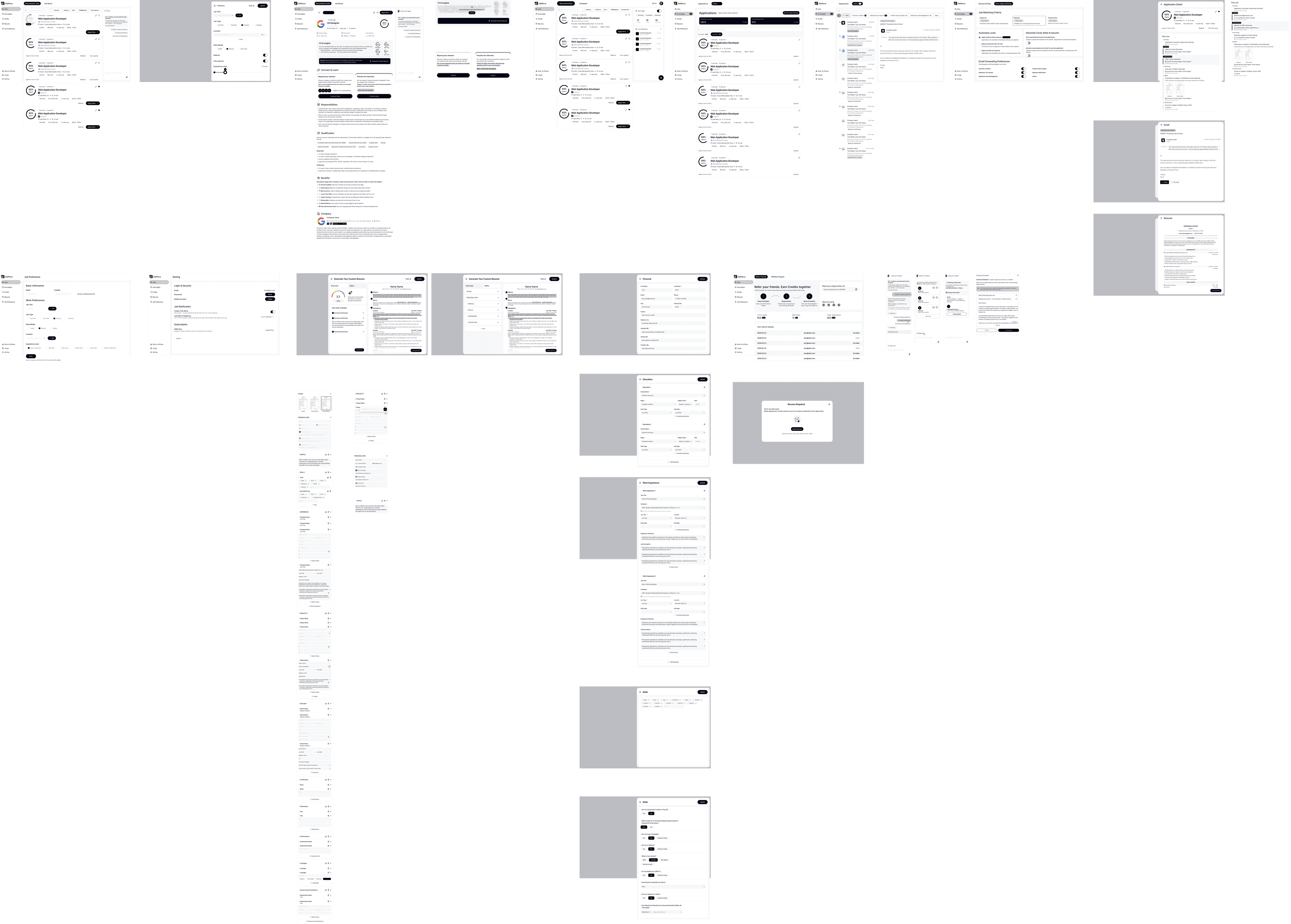
Wire Frame
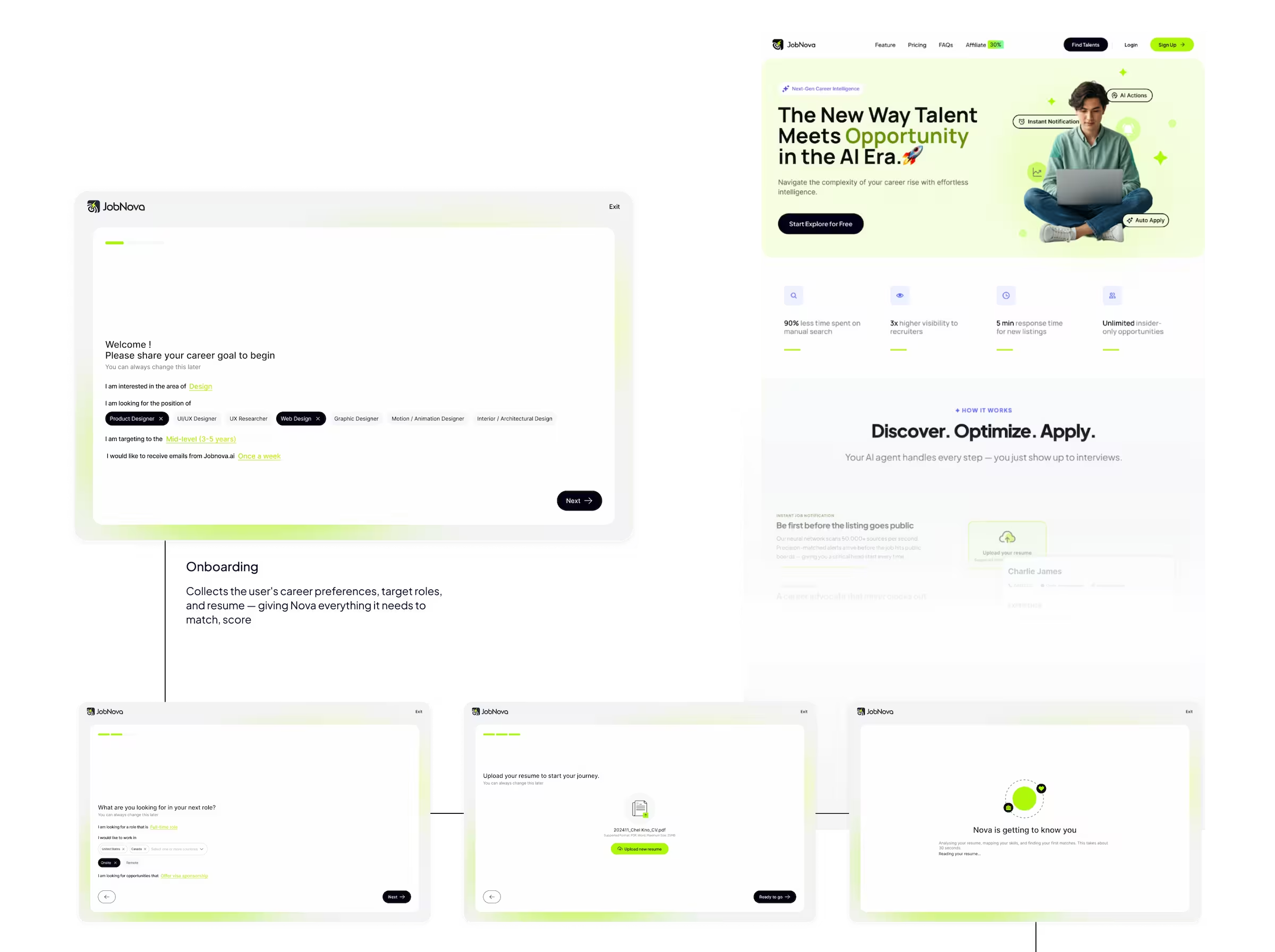
Page design
Design System
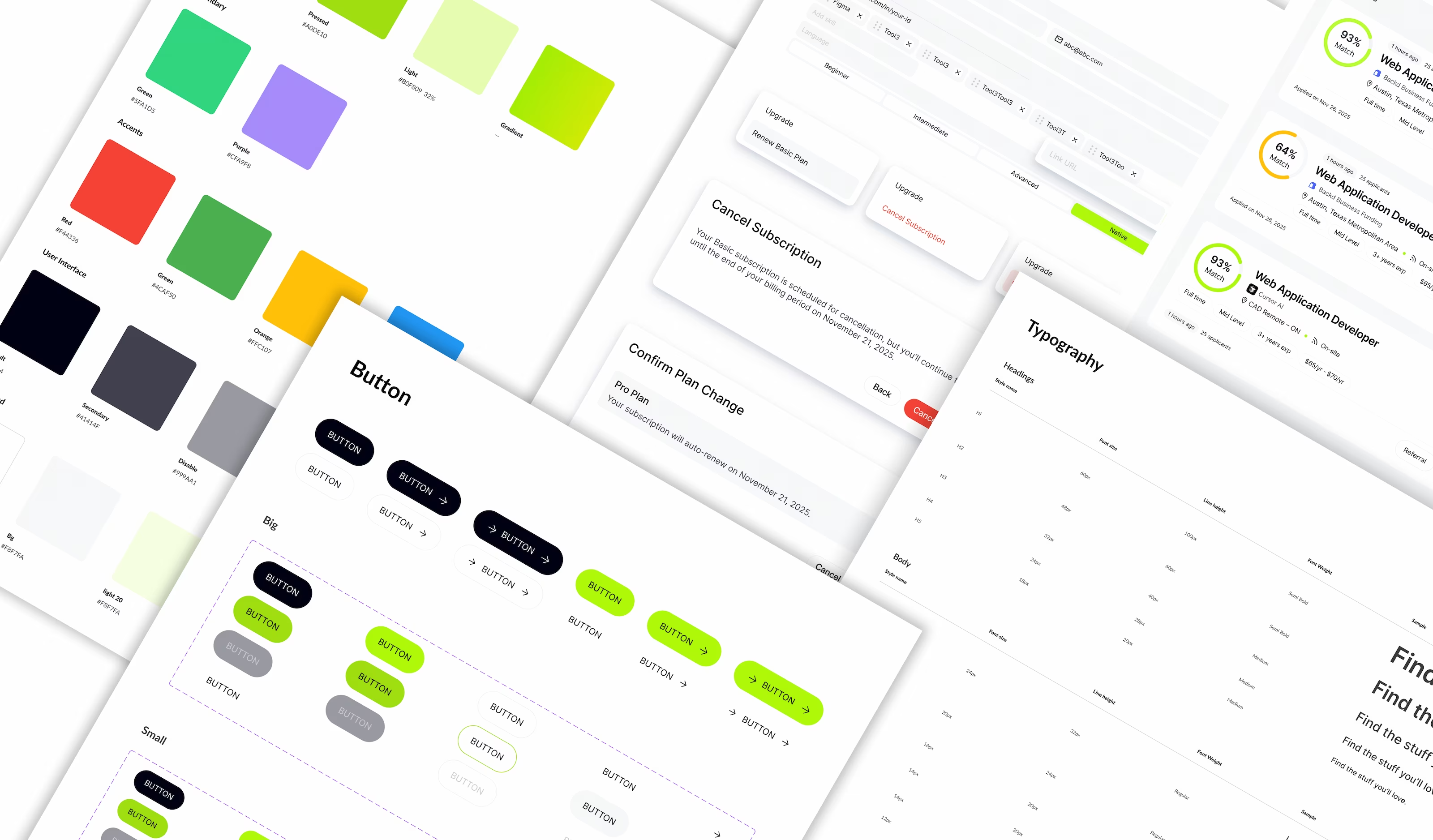
Built a Jobnova UI kit spanning core patterns (navigation, job cards, forms, and AI surfaces) with a token hierarchy for color, typography, spacing, and elevation so marketing and product could stay visually aligned.
The system exists because the experience spans high-volume workflows, AI-assisted actions, and multiple breakpoints—without tokens and reusable components, every experiment would have fractured the interface. Shared Figma libraries and named components tightened handoff and reduced back-and-forth on specs during the beta cycle.
Validation
Before locking core flows we ran multiple rounds of moderated usability sessions on discovery and apply paths, paired with an in-product survey (n=47) on how people find roles and when they tailor resumes. Findings below directly informed notification priority, in-context resume tools, and transparency in auto-apply.
How users prefer to discover new roles
How this shaped the design
This supported prioritizing proactive notifications and the "Golden Hour" alert design so users see the freshest matches first.
Resume customization before applying
How this shaped the design
Data showed strong adoption of AI tailoring when it was visible in the job flow, reinforcing in-context placement next to Fit & Insights.
Results
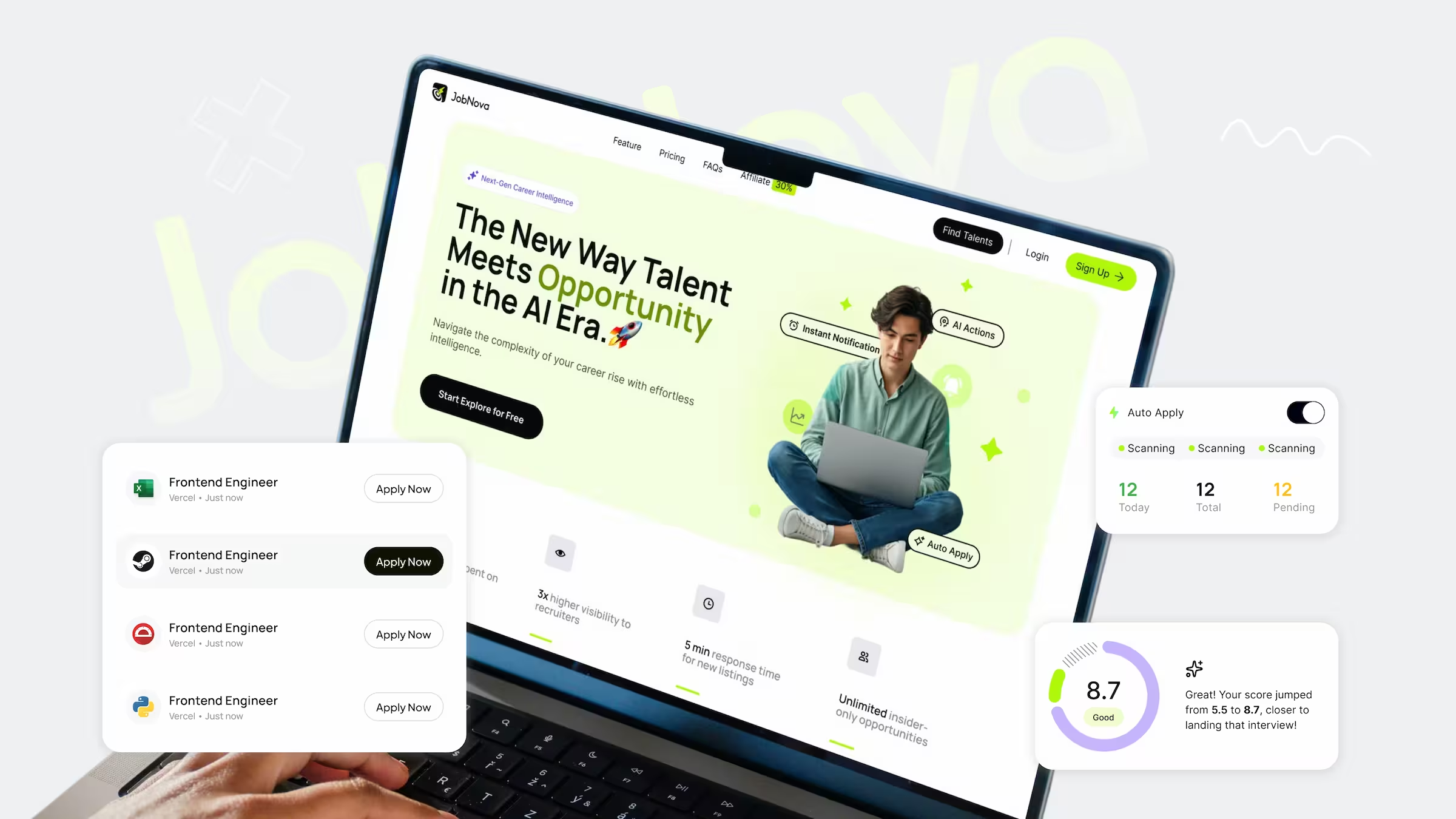
Beta usage showed measurable shifts in how often people applied and how quickly they trusted AI-assisted tailoring—without giving up oversight of what went out.
Beta users submitted ~3× more applications per week vs. their prior manual process.
Adopted AI resume tailoring within the first session when surfaced next to Fit & Insights.
Reported AI-matched notifications as their primary way to discover new roles (survey).
Shipped at jobnova.ai with an active beta cohort and ongoing instrumentation.
"Finally something that applies for me while I sleep. The match scores help me decide what's worth a closer look."
— Jobnova beta user
Metrics from moderated sessions and in-product survey (n=47) · Engineering implementation ongoing
Reflection
The UX structure, information architecture, and core workflows shipped as designed and are live in production. Visual design polish is pending — the engineering team is currently prioritizing feature development.
What worked well
Applying a mental model of "agent + supervisor" — where Nova acts but the user retains visible control — mapped directly to how people described trust in interviews. Match scores and thresholds weren't features; they were the trust surface.
What I'd do differently
Advocate harder for visual implementation early. Design debt compounds the same way technical debt does — once engineering velocity shifts to new features, the gap rarely closes on its own.
What I learned
In automation that touches professional identity, the UX principle of perceived control matters more than actual control. Users don't need to configure everything — they need to feel like they could.
Next Steps
Visual design implementation
UX and structure are live — the immediate next step is closing the visual gap: applying the design system, typography, and component styling to match the intended experience.
Deeper AI Agent integration
Tighten Nova AI across the full journey: smarter match explanations, automated referral outreach, and interview-prep summaries — so users get end-to-end support from discovery to offer.
Interview & follow-up pipeline
A unified view of interview invites, next steps, and recruiter touchpoints — so users can track every application stage and never miss a follow-up or deadline.