CrackInterview.AI
An AI-powered mock interview platform that helps candidates practice, improve, and prepare for technical job interviews.
About CrackInterview
CrackInterview.AI helps users practice and improve their performance in technical interviews through AI-powered mock interviews, mentor guidance, and job-search support. I led the UX/UI design with a focus on streamlined flows and an engaging preparation experience.
View live siteRole
Product Designer,
UX & UI
Team
Solo designer,
Startup team
Tool
Figma,
Prototype,
AI workflow
Company
Nova AI
Year
2025 · 8 weeks
Project Background & Goals
CrackInterview.AI was developed as an extension of liba.space, a career platform known for its mentorship network and job training programs for Chinese-speaking professionals. While liba.space provided valuable guidance, users needed a more interactive and scalable way to practice for tech interviews—especially when targeting roles in North America.
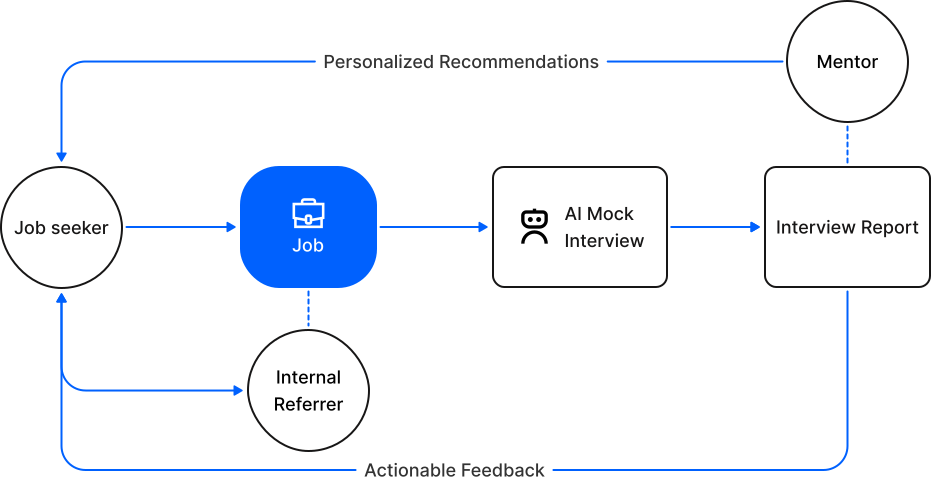
To meet this need, we created CrackInterview.AI
Design Process
Our design process followed an iterative, user-centered approach, combining rapid prototyping, AI prompt design, and continuous user feedback.
Research & Discovery
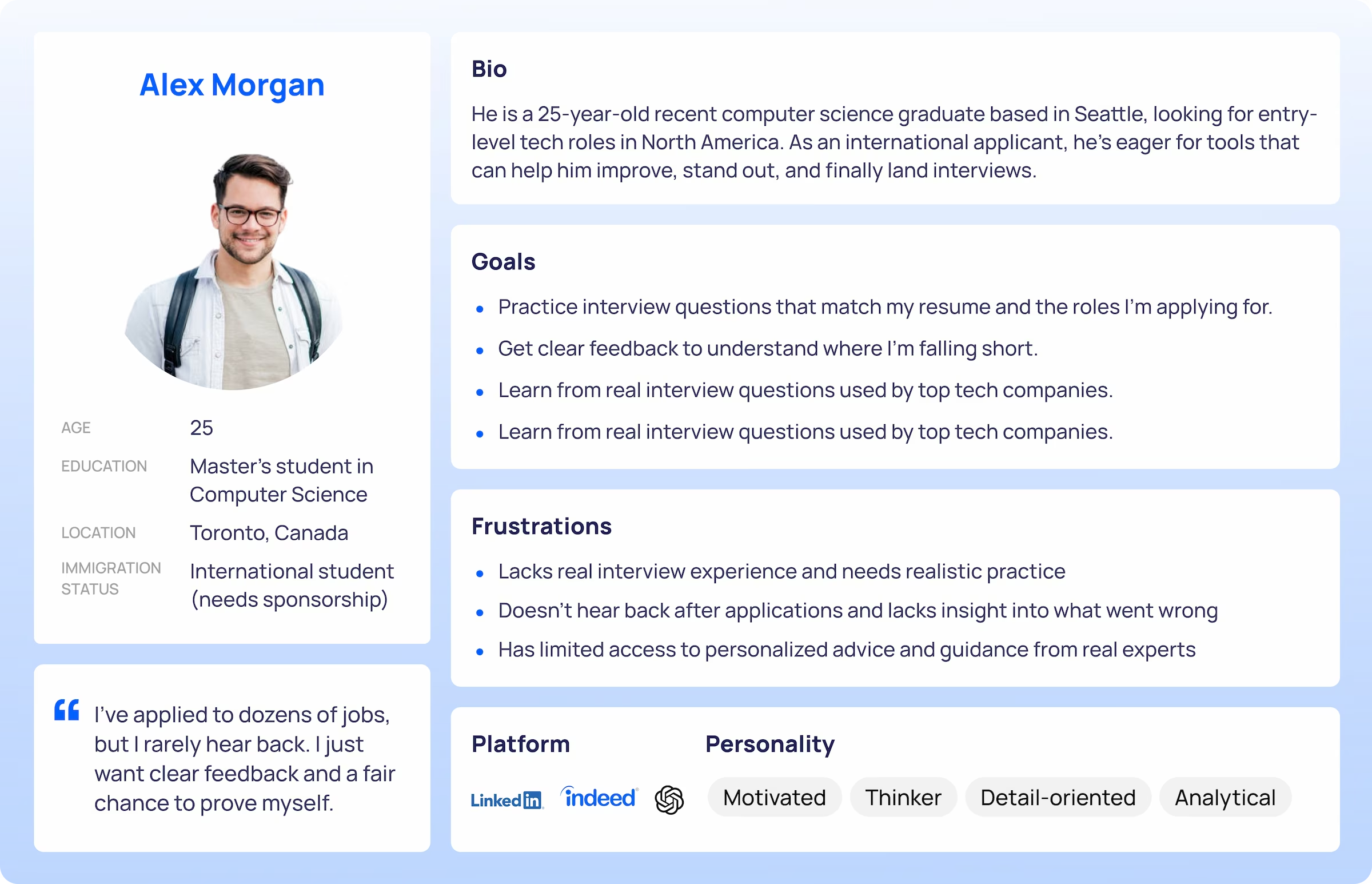
To better understand the challenges faced by early-career job seekers—especially international students targeting tech roles in North America—we conducted a mixed-method research phase combining surveys and semi-structured interviews.
Key Insights
- Lack of feedback: Most candidates never hear back after interviews and struggle to understand what went wrong.
- Limited interview opportunities: International students face higher rejection rates due to visa constraints and limited networks.
- Overwhelming platforms: Tools like LinkedIn and Indeed feel cluttered, repetitive, and not personalized enough for users' specific needs.
- Desire for targeted guidance: Many users prefer human mentorship and contextual advice over generic AI suggestions.
- Referral barriers: Getting a referral remains one of the biggest hurdles without insider access or strong alumni networks.
Core Features
Based on research, CrackInterview.AI focuses on the most pressing needs of job seekers—especially international candidates—by combining AI-driven simulation with human support.
Smart Job Matching
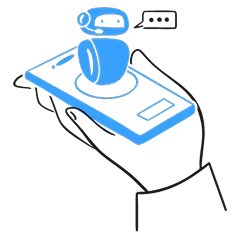
A custom job crawler monitors hiring platforms and, via AI matching, pushes high-relevance roles to users based on their profiles.

AI-Powered Mock Interviews
Simulates realistic, multi-stage interview flows and generates structured reports with actionable guidance.
Mentor Guidance
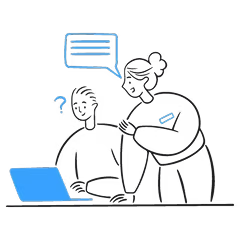
Connects mock interview results to liba.space’s mentor network for targeted career coaching.

Referral Support
Enables internal referrals through a trusted network once candidates are interview-ready.
User Flow
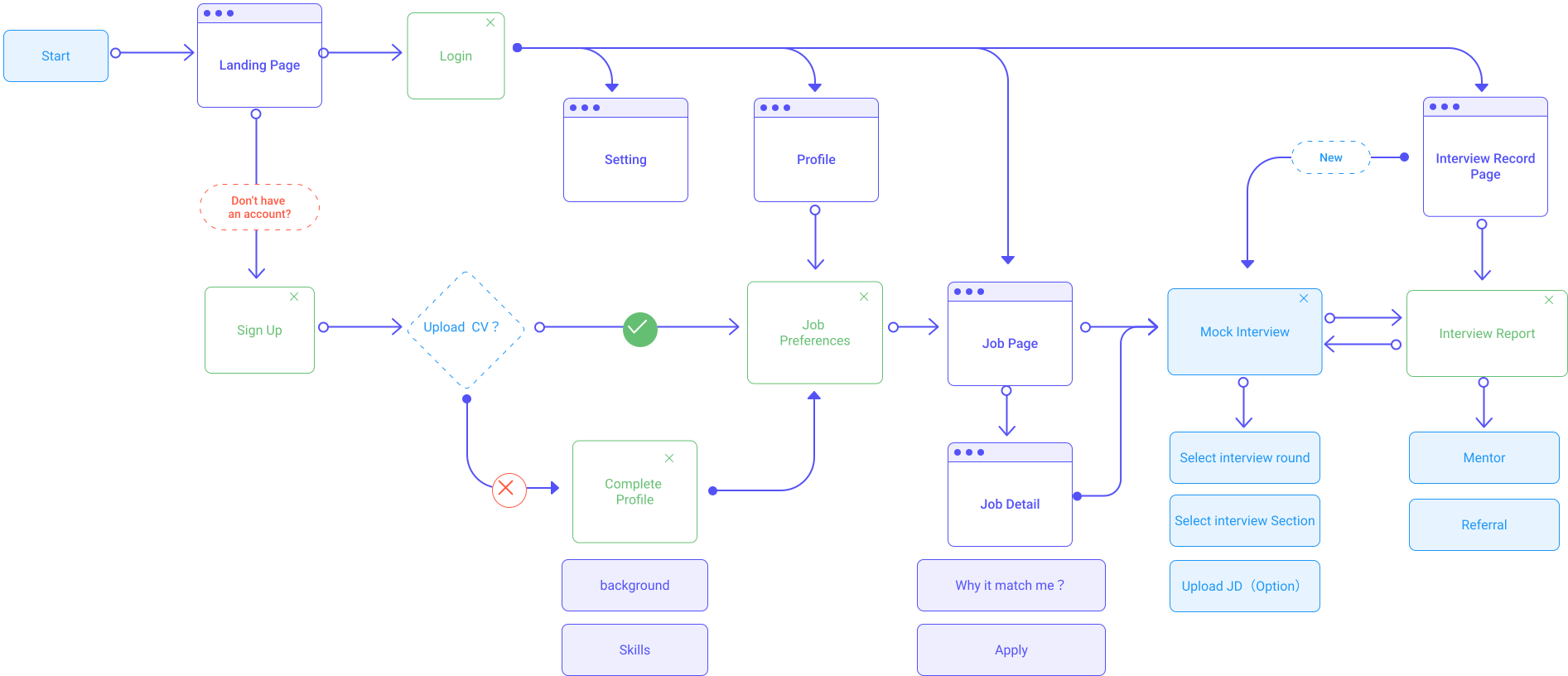
Conversation Design

I crafted voice-interactive conversational flows that mimic natural, human-like dialogue to simulate realistic interview experiences tailored to different tech roles and stages.
AI Interviewer Persona
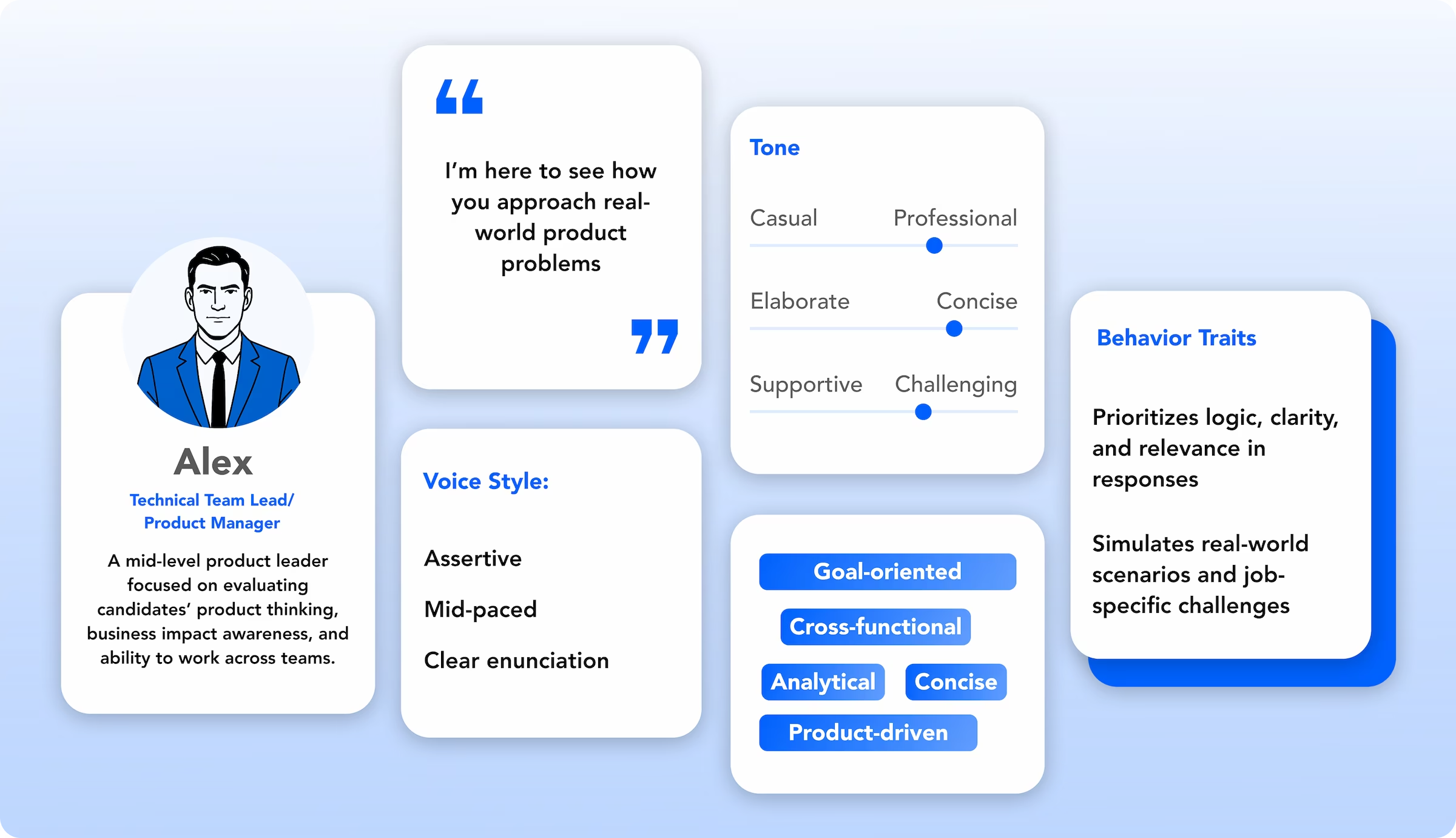
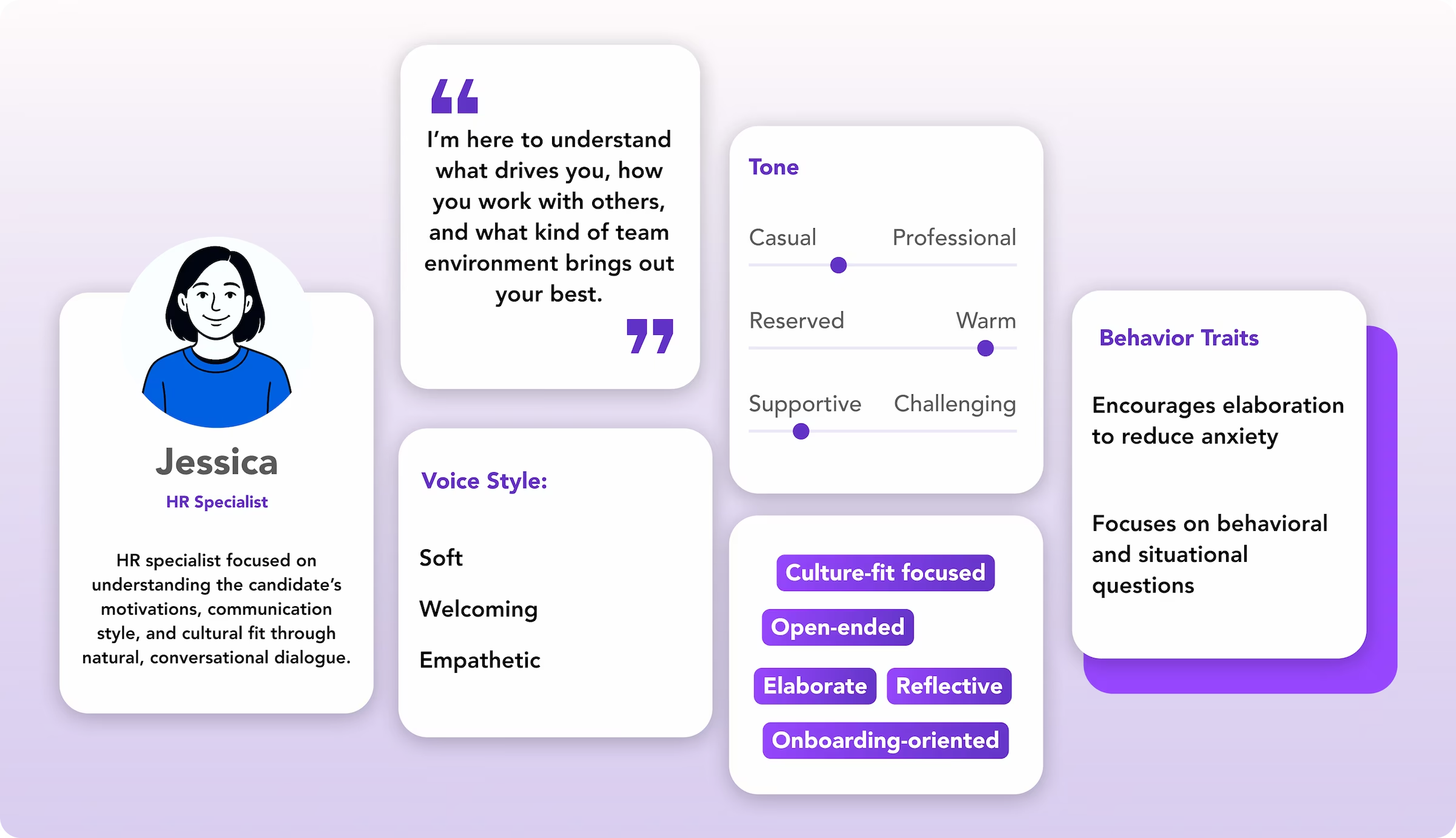
AI interviewers are matched to each interview stage to simulate realistic tone, style, and expectations across the hiring process.
Chatflow
AI: “Hi, welcome to your mock interview. I'll be guiding you through a few questions based on your selected role and interview stage.”
Let the user know it's a voice-based interview and encourage them to find a quiet environment.
AI: “Are you ready to begin?”
Wait for voice input: user says “Yes” → proceed to the first question.
If the user is silent for a few seconds, give a gentle reminder: “Take your time. Just say ‘Yes’ when you're ready.”
AI: “Tell me about a time you had to resolve a team conflict.”
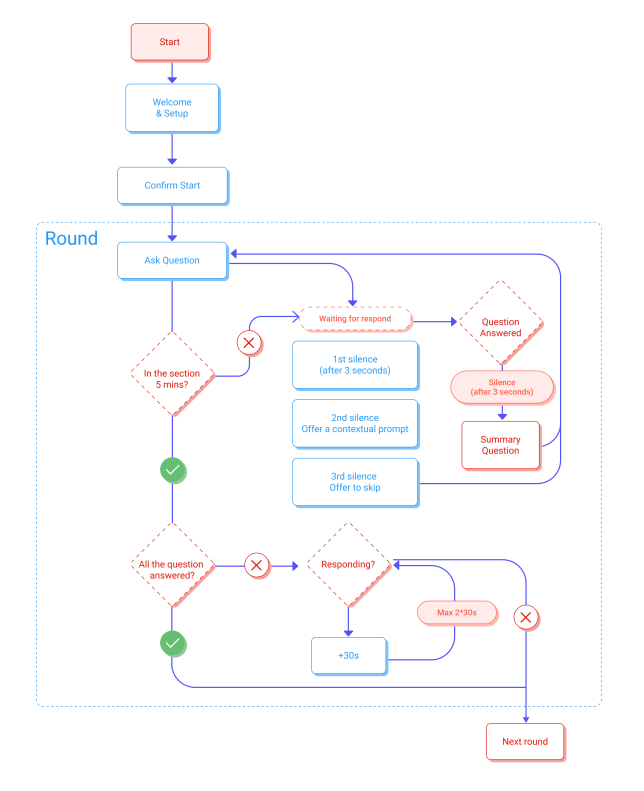
Silence handling:
After ~4 seconds of silence – 1st reminder: “You can start whenever you're ready.”
Still no response – 2nd prompt: “Think about a project where you disagreed with a teammate.”
Still no response – 3rd fallback: “Would you like to skip this question and move on?”
If skipped → jump to the next question. If the user responds → proceed to the follow-up and summary.
AI: “Got it. Sounds like you handled that situation thoughtfully.” [short pause] “Let's move on to the next question.”
Typically 3–5 questions per round. The interviewer persona can change based on the selected round or difficulty.
AI: “Great job today. You stayed thoughtful and composed throughout—that's already a strong skill in any interview.” [short pause] “I'm putting together your report—you'll be able to check it for suggestions on how to improve.”
Interactive Demo
Through iterative tuning and testing with ElevenLabs, we enhanced the naturalness and accuracy of the AI interviewer’s responses. As a UX designer, I focused on refining the dialogue flow to create a more realistic and immersive interview simulation experience, ensuring the AI could replicate the tone and rhythm of real interview scenarios.
Wireframe
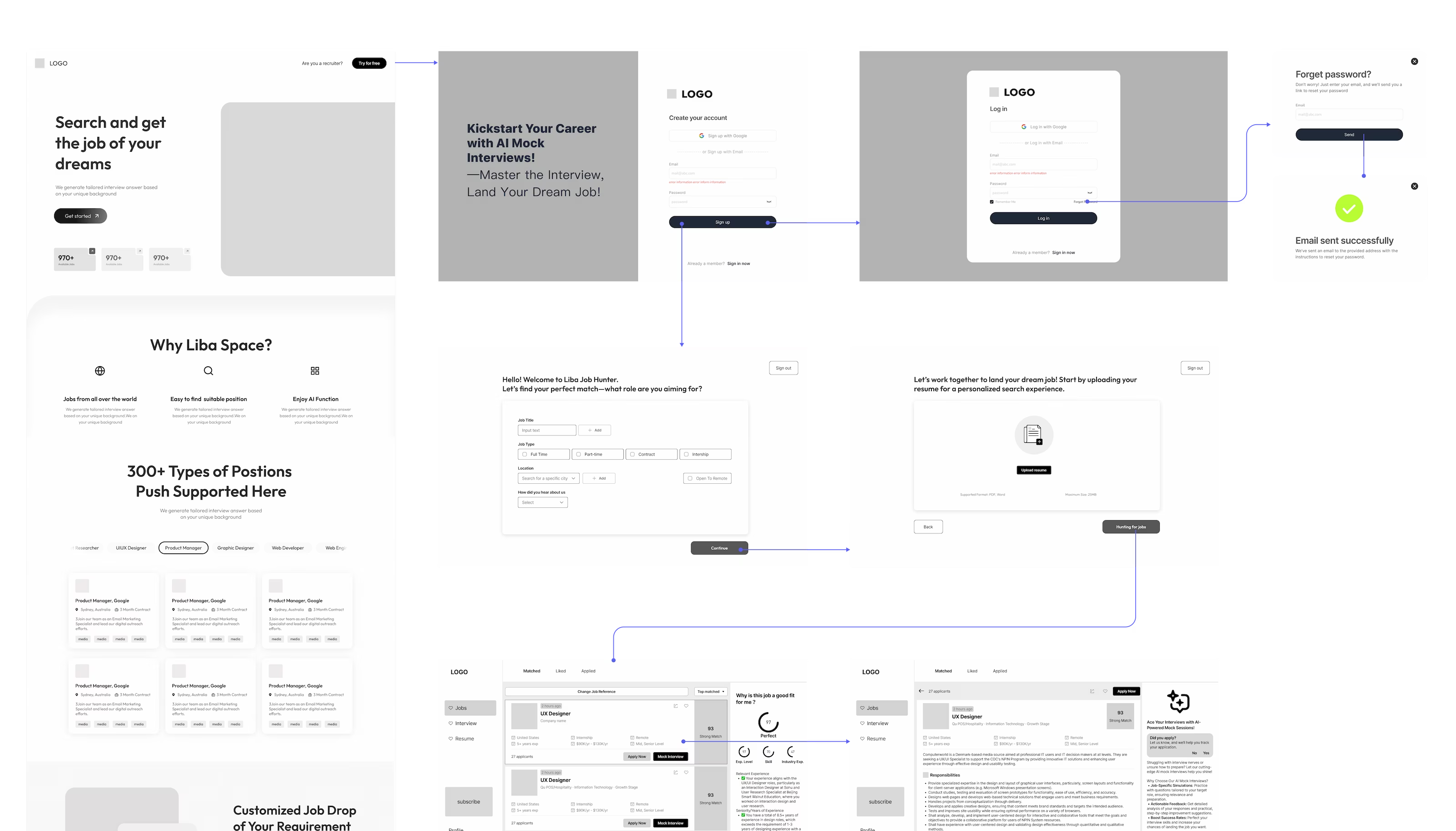
Main Features
Mock Interview
Our AI-powered mock interview simulates real job interviews based on users' resumes and the selected job description. Sessions are video recorded so candidates can reflect on their performance and track progress over time.
Because running AI digital interviewers can be expensive, the platform offers two formats based on the user's subscription plan:
- AI Digital Interviewer Mode: A lifelike AI avatar conducts the interview for a more immersive experience.
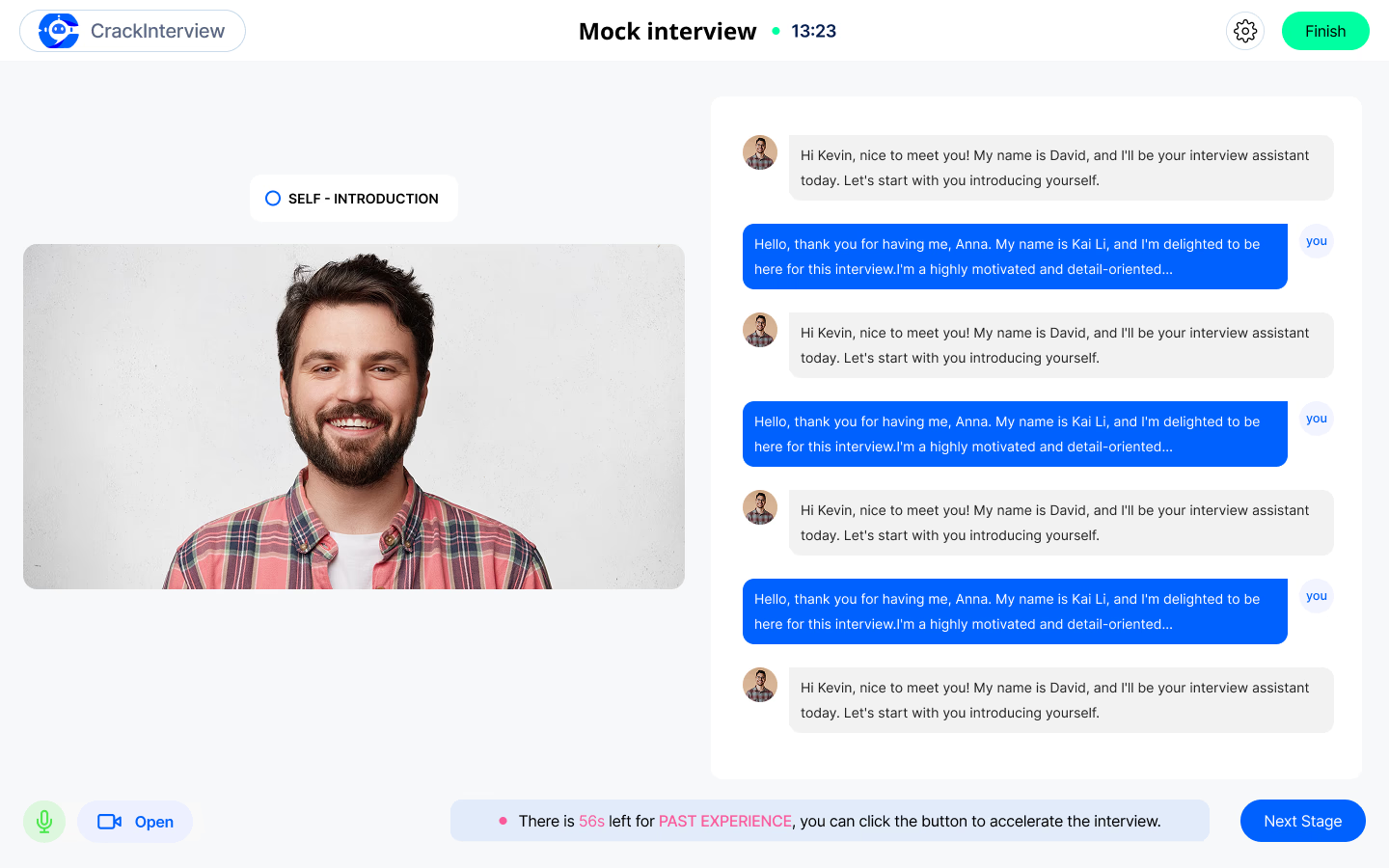
- Standard Mode: A more lightweight format without the avatar, ideal for self-guided practice while watching your own performance.
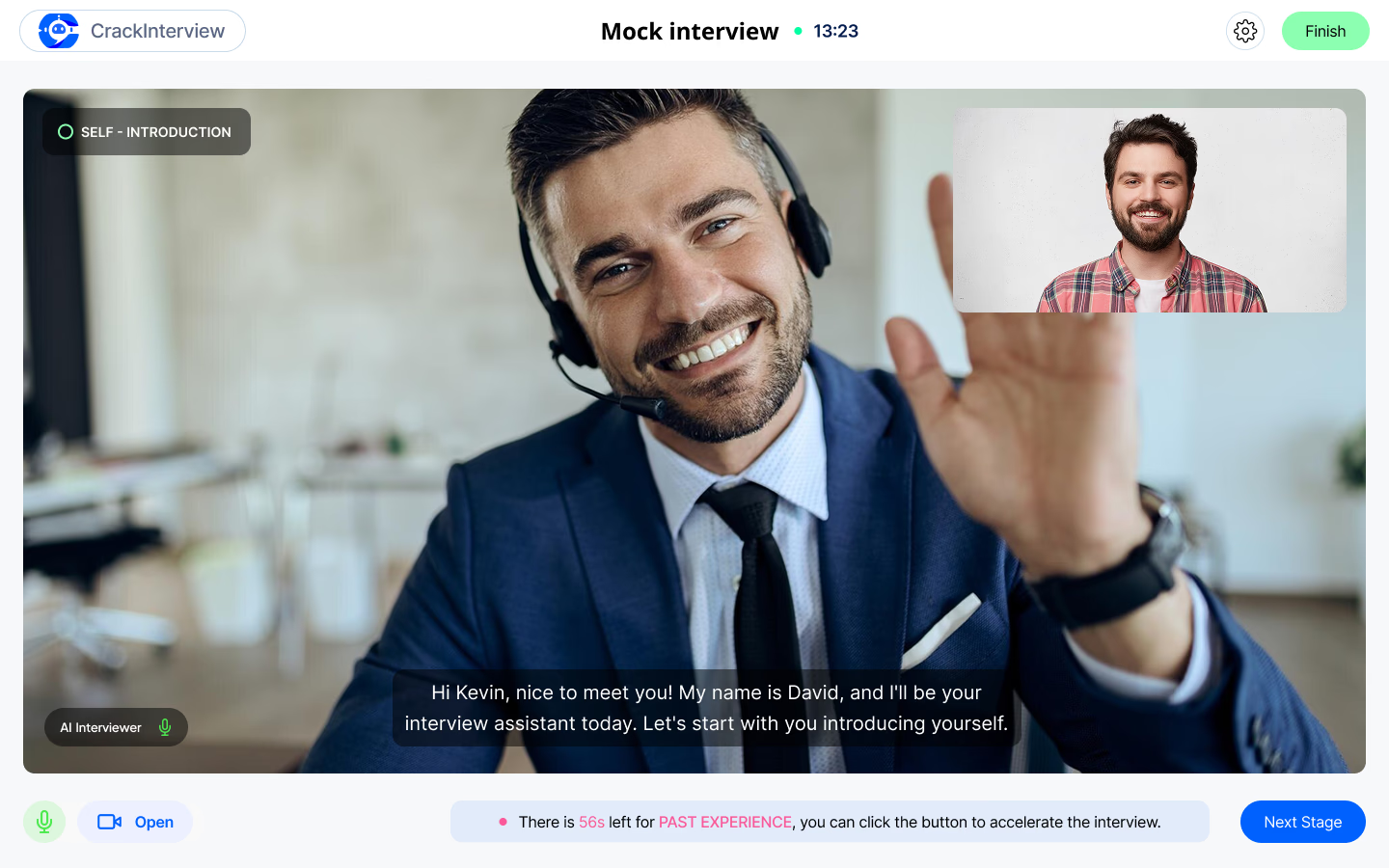
AI Digital Interviewer
An AI-generated interviewer simulates a lifelike virtual recruiter, enhancing immersion and realism. Questions are asked via voice and displayed with subtitles at the bottom, allowing users to practice in a human-like scenario.
Standard Mode
A simpler text-based interface where users can enable their webcam to observe body language in real time. Conversation history is shown on the right panel so they can review the full flow and self-reflect more easily.
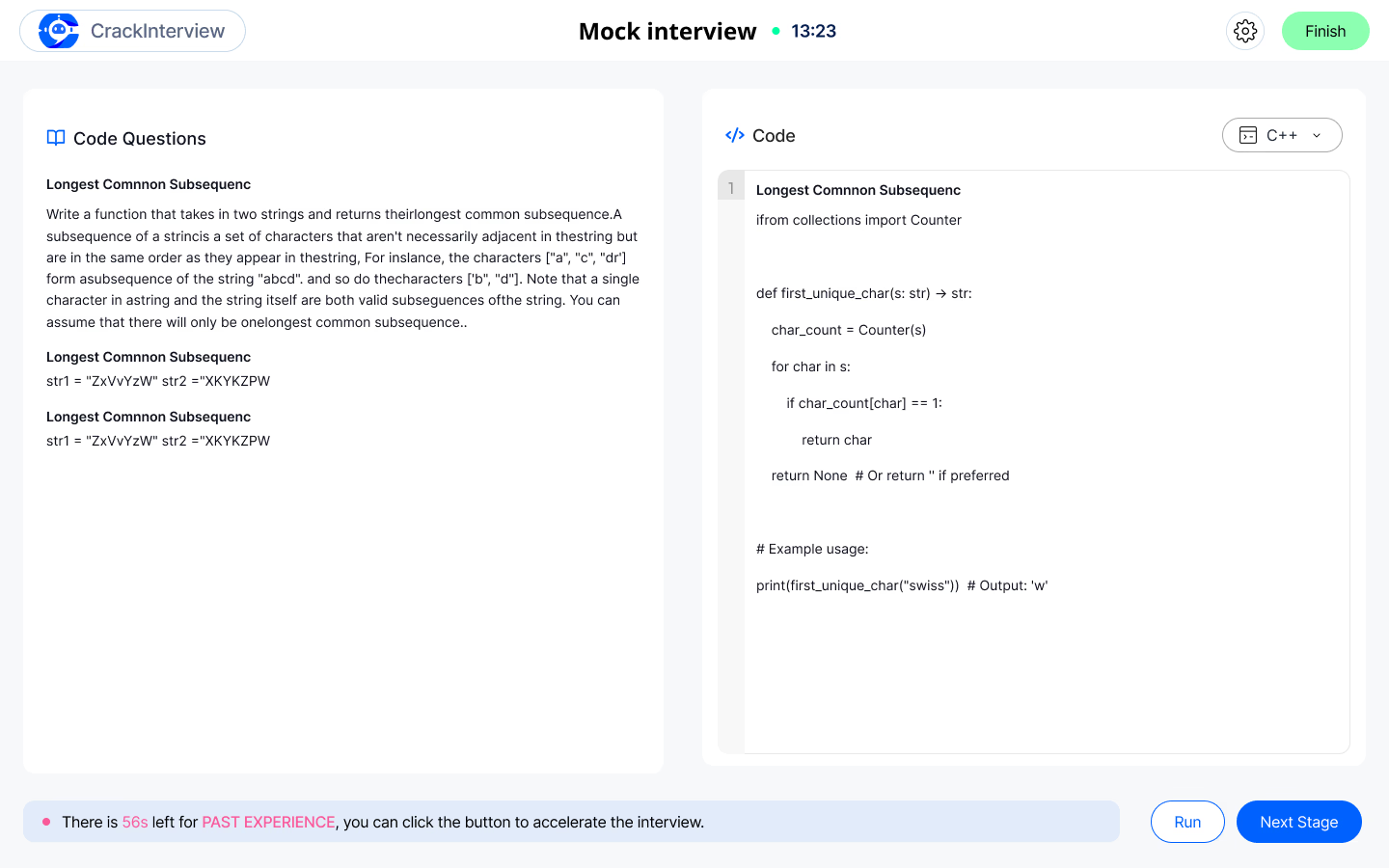
Code Mode
Designed for technical roles, this mode presents real-time coding questions and provides a built-in code editor. Users can type, run, and explain their logic while answering—mimicking real coding interviews.
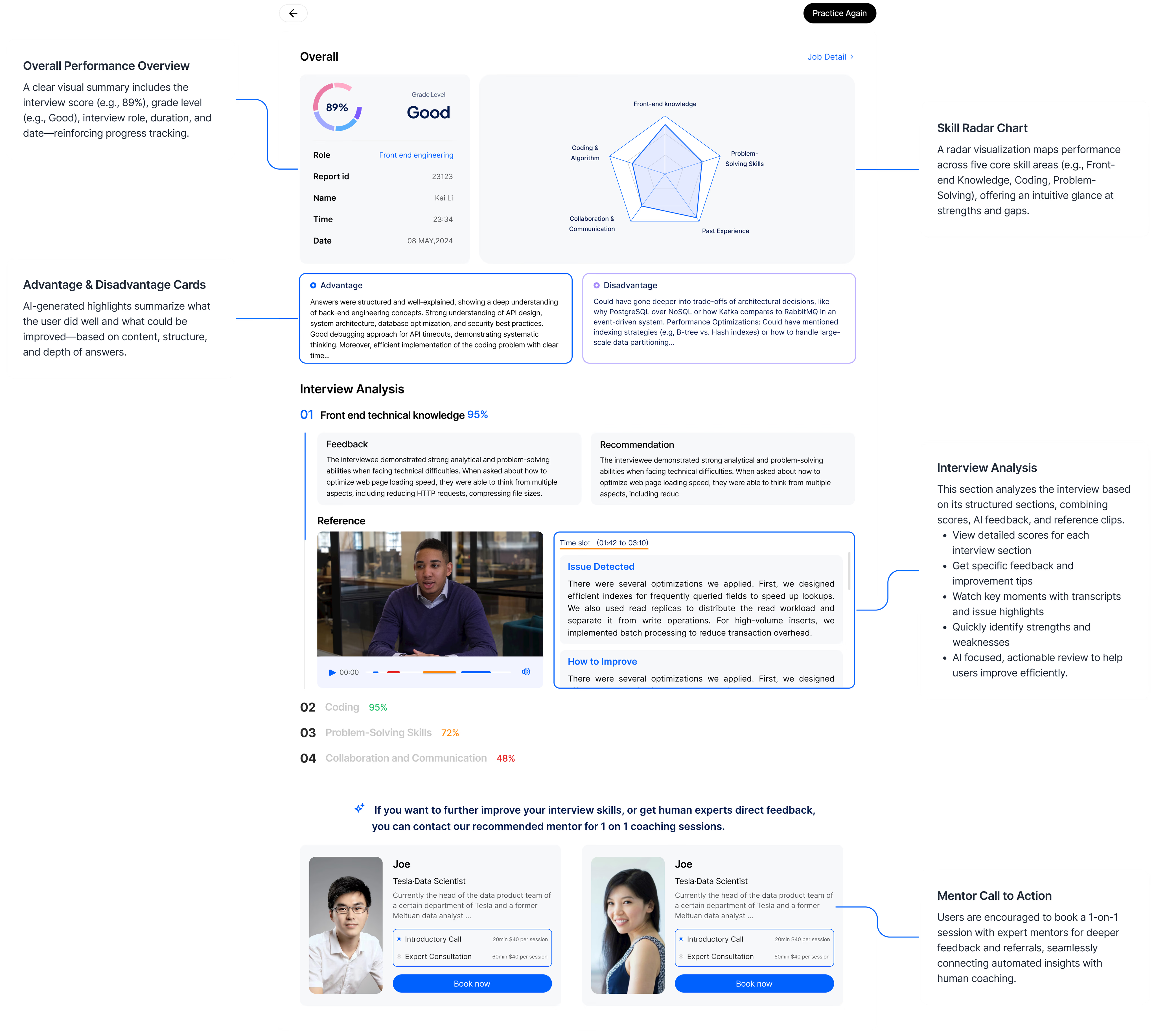
Mock Interview result
The Result page gives candidates a structured summary of their AI mock interview performance, making it easy to understand strengths, spot weaknesses, and decide what to practice next.
Job Pages
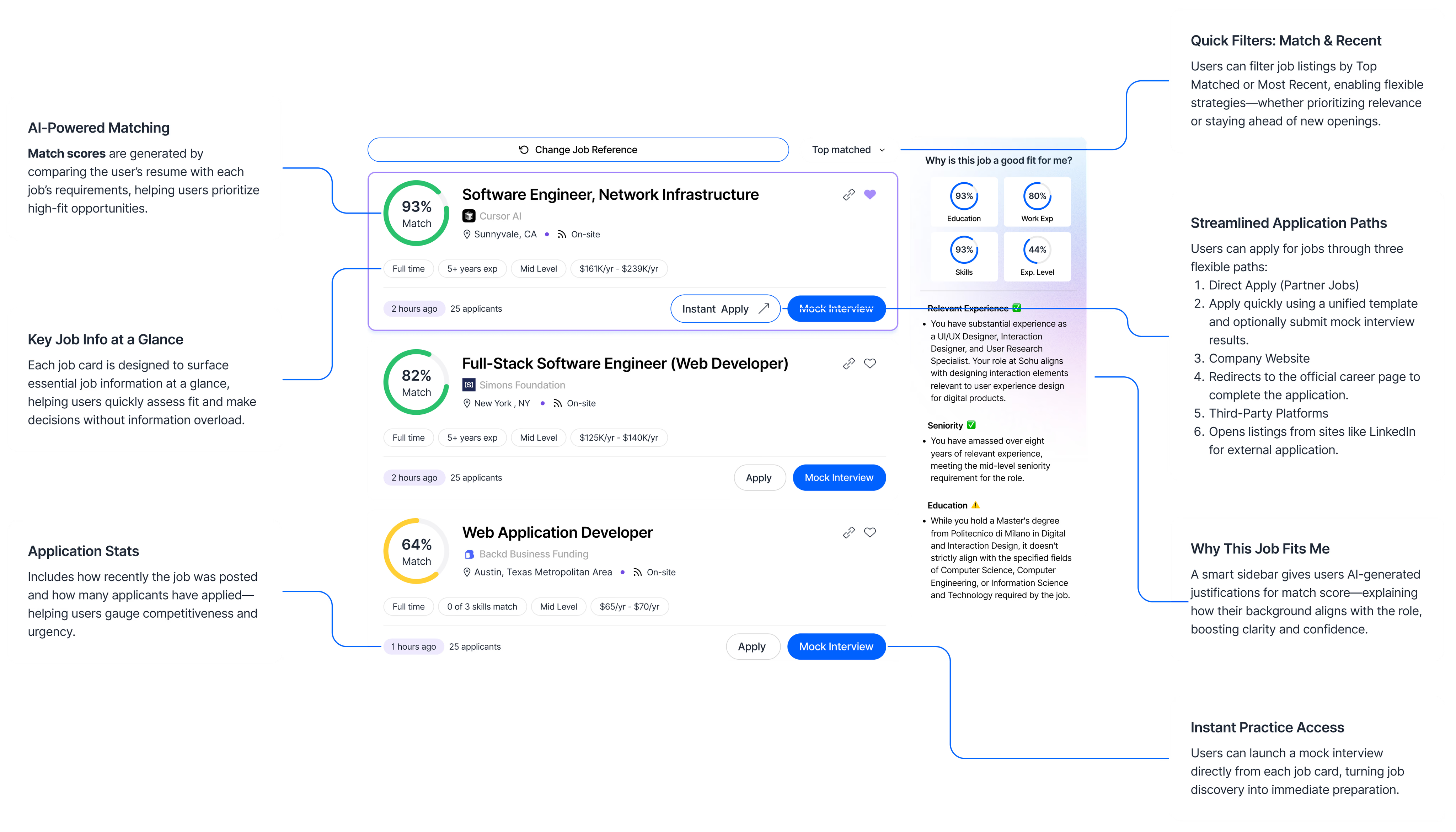
The Job List page connects users with curated opportunities based on their profile. Each listing includes a clear match score so candidates can focus on roles that best fit their background.
Future Improvements
To further enhance the platform's value for both job seekers and employers, we outlined several future directions:
Partner Job Integration + Report Sharing
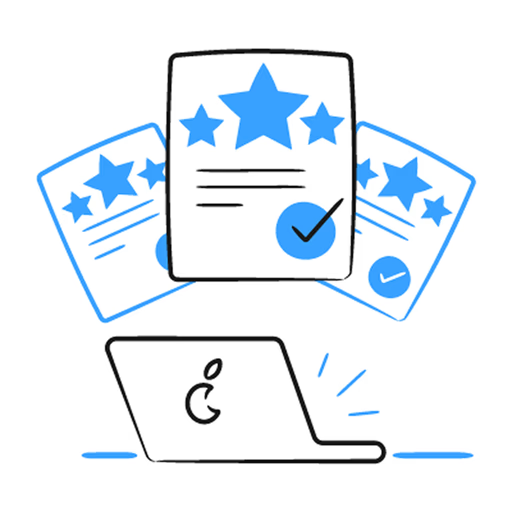
Allow candidates to share interview reports directly with employers to build trust and improve screening success rates.
Talent Pool for Employers
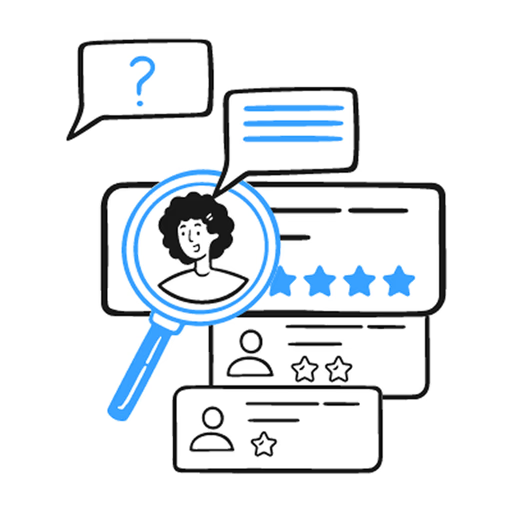
Create a centralized talent pool where employers can browse candidates along with performance data and highlights.
AI Resume Matching + Auto-Apply
Automatically match resumes to verified job openings and submit applications on behalf of the user.